The Role of a Medico-Legal Advisor in Managing Medical Negligence Risks
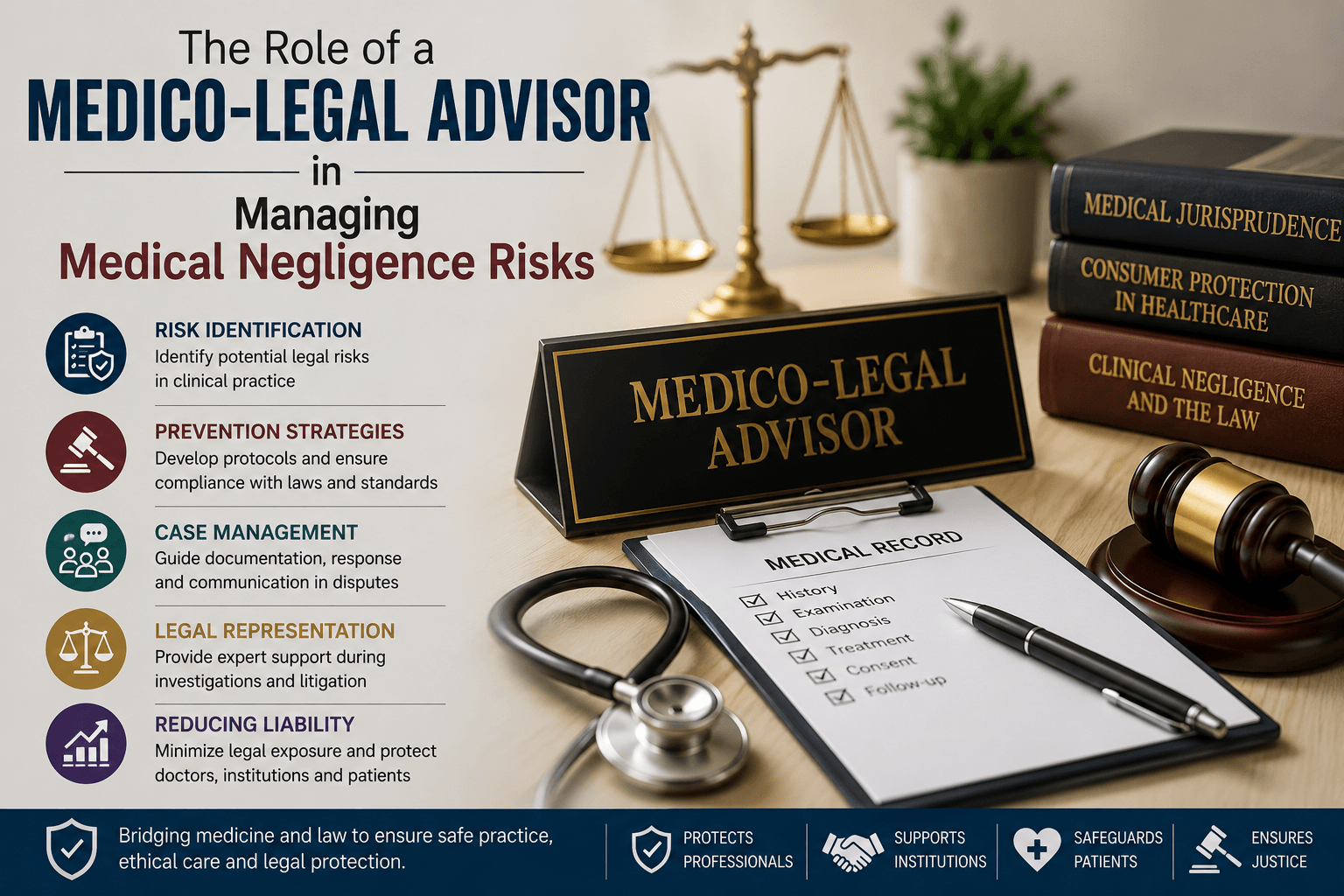
A clinic owner calls her lawyer friend at 9 pm because a patient's family is threatening to "take this to court" after a delayed diagnosis. The friend asks a simple question: what does the file actually say happened? She goes quiet, because she isn't sure. This is the exact moment a medico legal advisor in Delhi (https://drvimalkantgoyal.com/best-medicolegal-consultant-in-delhi.php) becomes useful — not after the case is already lost, but while there's still time to understand what the records actually show.
Start With the Real Problem
Doctors are trained to manage clinical risk, not legal risk, and the two require completely different instincts. A clinical decision can be sound and still lead to a difficult conversation later if nobody has looked at how that decision was documented, explained, and followed up. This gap is where negligence disputes often begin, not necessarily in the treatment itself.
What a Negligence Risk Actually Looks Like Before It Escalates
Long before any legal notice arrives, the warning signs are usually small — a patient who seems unusually upset, a complication that wasn't fully explained, a follow-up visit that got skipped. A medico legal guide in Delhi (https://drvimalkantgoyal.com/) built around these early signals helps doctors notice risk while it's still manageable, rather than after a formal complaint changes the tone entirely.
Why These Signals Get Missed in Busy Practice
Clinics move fast. A doctor seeing thirty patients a day doesn't always have time to sit down and review whether last week's consent conversation was documented properly. These gaps aren't negligence in themselves, but they can make it harder to demonstrate exactly what was assessed and communicated if questions come up later.
What a Medico-Legal Advisor Actually Does
Their role sits between clinical practice and formal legal process, and most of their real value shows up long before any dispute becomes serious.
Reviewing Cases for Documentation and Communication Gaps
An advisor typically starts by reviewing the patient file the way a reviewer eventually would — checking whether the consultation notes, consent forms, investigation reports, and follow-up instructions actually tell a coherent story. This kind of review often surfaces small gaps, like an unclear prescription or a missing follow-up note, while they can still be addressed honestly.
Advising on Risk Before It Becomes a Formal Complaint
Beyond individual cases, a medico legal advisor in Delhi often helps doctors and clinics recognise patterns — repeated documentation shortcuts, inconsistent consent practices, or unclear communication around complications — that quietly raise risk across many patients, not just one.
How Advisors Help During an Active Dispute
Once a complaint or notice does arrive, the advisor's role shifts from prevention to careful, accurate response.
Building a Clear, Evidence-Based Account of Care
A well-prepared response lays out what was assessed, decided, and communicated at each stage, supported by the actual records rather than memory alone. Appropriate documentation can support a doctor's account of care, depending on the circumstances, and an advisor helps present that account clearly instead of defensively.
Avoiding Common Mistakes Doctors Make Under Pressure
Doctors facing a complaint often either over-explain, admit things not supported by the file, or go silent out of fear of saying the wrong thing. A top medico legal advisor Delhi (https://drvimalkantgoyal.com/best-medicolegal-consultant-in-delhi.php) clinics rely on usually steps in early enough to prevent both extremes, keeping the response measured and factual.
Where Advisors Add the Most Value for Individual Doctors
Not every doctor needs a legal team on retainer, but almost every doctor benefits from periodic, practical guidance.
Strengthening Everyday Documentation Habits
Small habits matter more than occasional big reviews — recording the reasoning behind a treatment decision, noting a patient's refusal in their own words, documenting an important phone conversation instead of letting it go unrecorded. An advisor can point out exactly where these habits are weak.
Reviewing Consent and Risk Communication Practices
Consent isn't just a signed form. An advisor often checks whether risk, benefit, and alternative discussions are actually being documented in enough detail to show the patient understood what they agreed to, not just that they signed something.
Where Advisors Add Value at the Hospital or Clinic Level
For hospitals and larger clinics, the advisor's role expands from individual cases to the overall system.
Supporting Clinical Governance and Internal Audits
Hospitals working with a medico legal advisor in Delhi often build the advisor's input into regular internal audits, checking whether documentation standards, consent practices, and record retention are being followed consistently across departments, not just on paper.
Training Staff to Reduce Recurring Risk
An advisor can also help train doctors, nurses, and administrative staff on what needs to be documented during procedures, emergencies, and follow-ups, so fewer gaps appear in daily practice instead of being caught only during a crisis review.
When and How to Bring an Advisor Into Your Practice
The right time to involve an advisor is almost always earlier than doctors expect.
Signs It's Time to Get Advice
A patient repeatedly expressing dissatisfaction, a complication with unclear documentation, a request for records from a patient or family, or simply a nagging feeling that a case wasn't documented as well as it should have been — these are all reasonable moments to reach out, well before anything formal happens.
Building an Ongoing Relationship, Not a One-Time Fix
The most effective use of a medico legal advisor in Delhi isn't a single emergency call. It's a periodic relationship — reviewing documentation habits, discussing tricky cases, and refining consent and communication practices over time. Good documentation and thoughtful legal guidance aren't paperwork for their own sake; together they form part of patient safety, clear clinical communication, and long-term professional accountability.
Appreciate the creator