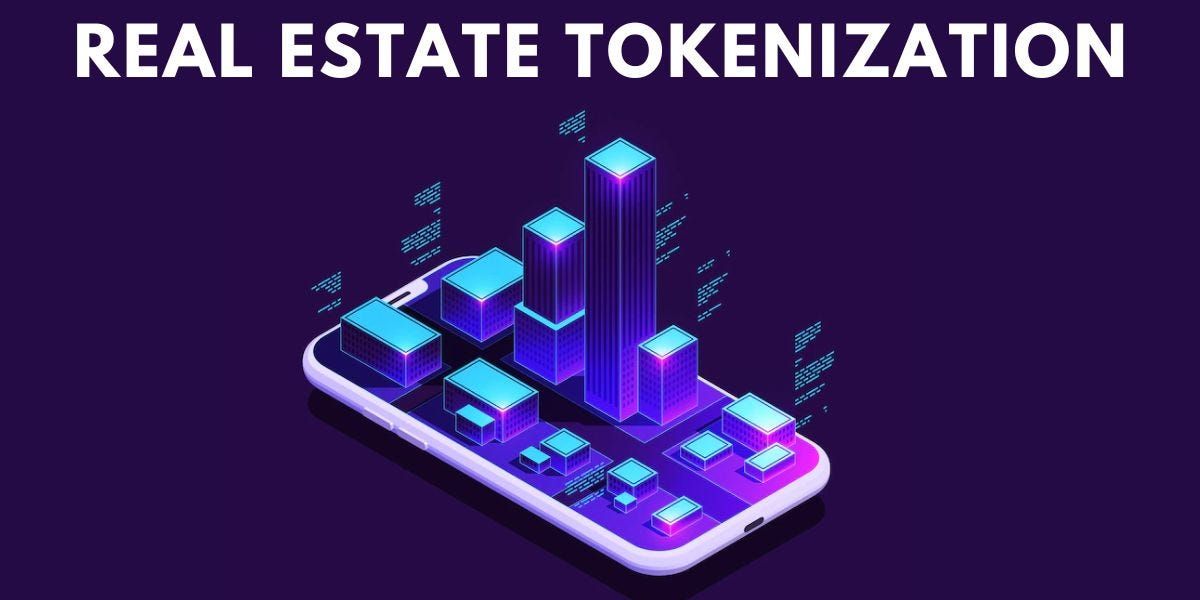
The Rise of Real Estate Tokenization: Unlocking New Opportunities
The real estate industry has long been considered a bastion of traditional investment, with high barriers to entry and limited liquidity. However, in recent years, a disruptive force has been steadily gaining momentum, reshaping the landscape of property investments—the rise of real estate tokenization. Enabled by blockchain technology, real estate tokenization is revolutionizing the way properties are bought, sold, and invested in, unlocking a plethora of new opportunities in the digital economy.
Understanding Real Estate Tokenization
Real estate tokenization refers to the process of converting real estate assets into digital tokens on a blockchain network. Each token represents a fractional ownership stake in the underlying property, allowing investors to own and trade smaller portions of valuable real estate assets. This process significantly reduces the financial barriers to entry, making real estate investments accessible to a broader range of investors.
The tokens are backed by the underlying real estate assets, providing intrinsic value and tangible security for investors. These digital tokens are recorded on a distributed ledger, ensuring transparency, immutability, and secure ownership records.
Benefits of Real Estate Tokenization
Enhanced Liquidity: One of the most significant advantages of real estate tokenization is the increased liquidity it brings to the market. Traditional real estate investments often suffer from lengthy lock-in periods and limited exit options. However, with tokenization, investors can easily trade their digital assets on various platforms, enabling greater flexibility and liquidity.
Fractional Ownership: Tokenization allows investors to own fractional shares of high-value properties, making it easier to diversify their investment portfolio. This fractional ownership model enables individuals to invest in prime real estate locations that would have been out of reach through traditional means.
Global Accessibility: Real estate tokenization transcends geographical boundaries, allowing investors from around the world to participate in the property market of various countries. This opens up new international investment opportunities and promotes cross-border capital flow.
Transparency and Security: Blockchain technology ensures that every transaction and ownership record is transparent, secure, and immutable. This level of transparency builds trust between investors and eliminates the need for intermediaries, reducing administrative costs.
Cost Efficiency: By eliminating intermediaries and automating processes, real estate tokenization significantly reduces transactional costs. These cost savings can be passed on to investors, making real estate investment more economically feasible.
Opportunities in the Digital Economy
Real estate tokenization presents a multitude of opportunities in the rapidly growing digital economy. Let's explore some of the key areas where this innovative approach is creating new possibilities:
Democratizing Investment
Real Estate Crowdfunding
Global Property Investment Diversification
Conclusion
Real estate tokenization is undeniably transforming the real estate market and creating new opportunities in the digital economy. By providing enhanced liquidity, fractional ownership, and global accessibility, this innovative approach is reshaping the way people invest in properties. As technology advances and regulatory frameworks evolve, real estate tokenization is poised to become an integral part of the future of property investments, unlocking new horizons for investors and revolutionizing the real estate industry as we know it.
Appreciate the creator