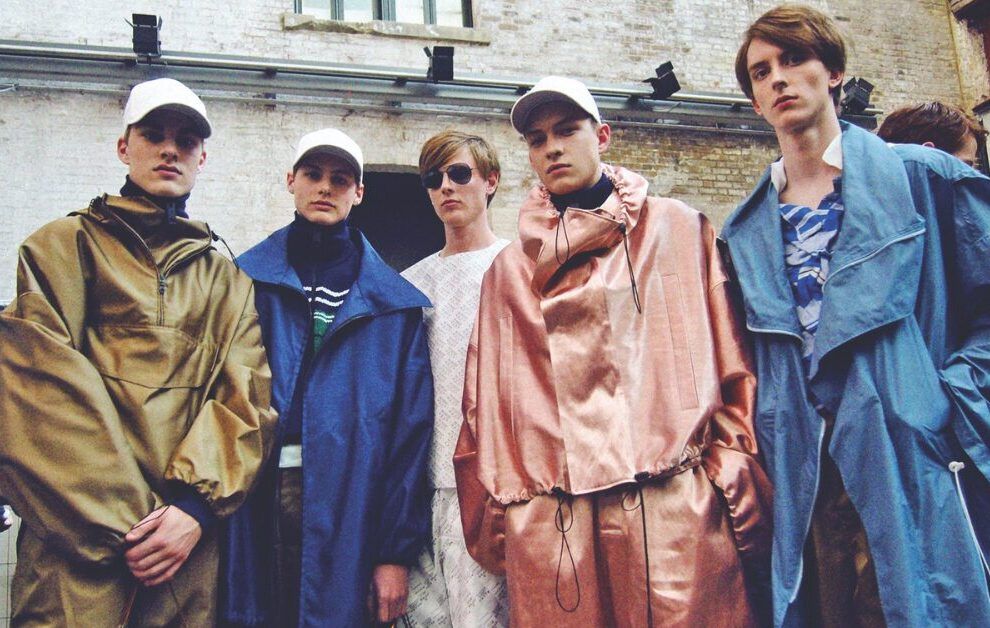
The Rise of Minimalist Fashion: When Less Truly Becomes More
Fashion trends often come and go with the seasons, but the philosophy of minimalist fashion has proven to be timeless. In a world of constant change, overconsumption, and ever-evolving trends, minimalism stands out as a quiet rebellion — a movement that values simplicity, functionality, and elegance over excess.
Minimalist fashion isn’t about having fewer clothes; it’s about having the right clothes — those that reflect personality, offer versatility, and stand the test of time. Let’s explore how minimalism became one of the most powerful statements in modern fashion and why it continues to influence designers, consumers, and culture around the globe.
What Is Minimalist Fashion?
Minimalist fashion is based on the idea that less is more. It’s about clean lines, neutral tones, and functional design. The goal isn’t to be boring or repetitive but to create a refined wardrobe where every piece serves a purpose.
This approach promotes quality over quantity, encouraging mindful shopping habits and discouraging fast fashion. The minimalist wardrobe typically includes timeless staples — crisp white shirts, tailored trousers, structured blazers, and simple accessories that transcend fleeting trends.
For those who appreciate clarity and balance in their personal style, minimalism represents freedom — from clutter, waste, and the constant pressure to keep up with new trends.
The History Behind the Movement
Although minimalism has gained major popularity in the last decade, its roots trace back to the early 20th century. The movement began in art and architecture, emphasizing simplicity and clean design. By the 1990s, minimalist fashion became a cultural statement, championed by iconic designers like Calvin Klein, Jil Sander, and Helmut Lang, who introduced a sleek, stripped-down aesthetic to mainstream fashion.
Their collections often featured monochromatic color palettes, precision tailoring, and luxurious fabrics — proving that sophistication could emerge from simplicity. The philosophy resonated with those seeking authenticity in an increasingly materialistic world.
Today, the minimalist fashion movement aligns closely with sustainable living and ethical consumerism, promoting mindfulness not only in style but also in lifestyle choices.
The Power of a Simplified Wardrobe
Minimalism challenges the idea that you need endless options to look stylish. In reality, a smaller, well-curated wardrobe often provides more possibilities. When each item is thoughtfully chosen, mixing and matching becomes effortless.
A minimalist wardrobe focuses on:
· Timeless silhouettes: Garments that stay relevant year after year.
· Neutral colors: Shades like black, white, beige, navy, and gray that complement one another.
· Versatility: Pieces that can transition easily from work to casual settings.
· High-quality fabrics: Durable materials that look elegant even after repeated wear.
This approach not only reduces decision fatigue but also helps people refine their personal style identity. Many style enthusiasts and readers turn to resources like urbansplatter.uk to explore how fashion philosophies like minimalism are reshaping wardrobes worldwide.
Minimalism Meets Sustainability
Minimalism and sustainability go hand in hand. Fast fashion, known for its cheap materials and high turnover, has been one of the major contributors to environmental pollution. By contrast, minimalist fashion encourages consumers to invest in fewer but better-quality items, minimizing waste and reducing their carbon footprint.
Sustainable fashion brands are increasingly adopting minimalist design principles — focusing on durability, ethical sourcing, and transparency. These practices are helping to redefine what it means to be stylish in a responsible and eco-conscious way.
Discussions on ethical clothing choices and slow fashion principles often appear across fashion-focused online spaces, which emphasize the growing importance of conscious consumption in today’s world. Insights shared on sections dedicated to evolving style trends, like modern wardrobe essentials, show how minimalism blends aesthetics with responsibility.
Minimalism in Everyday Style
You don’t need to be a designer or influencer to embrace minimalist fashion. In fact, its beauty lies in its adaptability. Here’s how anyone can start integrating minimalism into their wardrobe:
1. Declutter – Begin by removing items you haven’t worn in a year. Keep only those that fit well and reflect your lifestyle.
2. Invest in Basics – Purchase high-quality staples like a white blouse, black trousers, or a tailored coat.
3. Stick to a Palette – Choose colors that complement your complexion and can be easily mixed and matched.
4. Choose Timeless Over Trendy – Skip impulse buys and focus on classic cuts that never go out of style.
5. Accessorize Mindfully – A simple watch, delicate jewelry, or structured handbag can elevate any look without overpowering it.
Minimalism isn’t about denying self-expression — it’s about refining it. By prioritizing craftsmanship and intentionality, individuals can build a wardrobe that truly represents who they are.
How Social Media Amplified Minimalism
The rise of social media platforms, particularly Instagram and Pinterest, has given minimalism a modern voice. Clean visuals, neutral tones, and uncluttered aesthetics dominate fashion feeds. Influencers who adopt minimalist lifestyles often inspire followers to reevaluate their consumption habits.
This digital visibility has transformed minimalism from a niche aesthetic into a mainstream philosophy. It’s not just about clothing — it’s about embracing simplicity in all aspects of life, from home design to digital detoxing.
Even high-end fashion brands now leverage minimalist storytelling in their campaigns, proving that restraint can be far more powerful than extravagance.
Why Minimalism Appeals to the Modern Generation
Modern consumers are redefining success and self-expression. They value experience over excess and authenticity over aesthetics. The minimalist wardrobe reflects this mindset perfectly — it’s efficient, elegant, and empowering.
Millennials and Gen Z shoppers, in particular, are driving this transformation. They are more aware of social and environmental issues and prefer to support brands that align with their values. For them, minimalism isn’t just a style choice — it’s a moral and practical decision.
As global awareness of sustainability continues to rise, minimalism will likely remain at the forefront of fashion evolution.
The Future of Minimalist Fashion
The future of fashion lies in thoughtful innovation. Designers are merging technology and sustainability with minimalist aesthetics to create smarter wardrobes. From recycled fabrics to AI-assisted production that reduces waste, the minimalist approach will continue to inspire efficiency and elegance.
Moreover, as consumers move toward capsule wardrobes and timeless dressing, the industry will see a shift from trend-driven production to purpose-driven design.
This evolution reaffirms one key truth — simplicity never fades.
Conclusion
Minimalist fashion reminds us that true style doesn’t rely on excess; it thrives on clarity, quality, and intention. It celebrates craftsmanship, sustainability, and individuality in equal measure.
In a chaotic world where trends change overnight, minimalism offers something rare — peace, purpose, and effortless elegance. As we step into the future, one thing is certain: the minimalist wardrobe isn’t just a fashion statement — it’s a lifestyle built to last.
Appreciate the creator