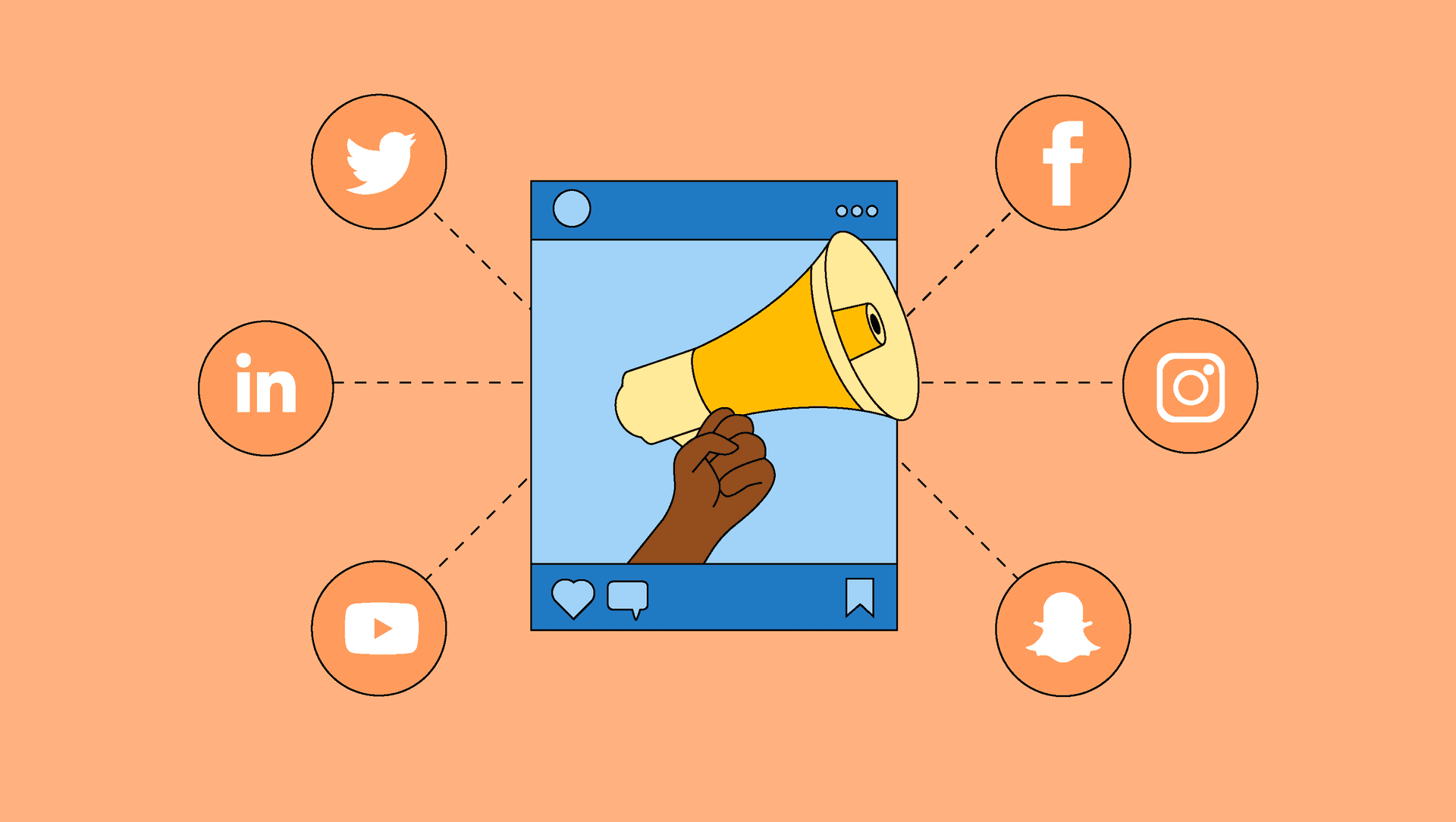
The Rise of Influencer Marketing: Strategies and Trends
Introduction
In recent years, influencer marketing has emerged as a powerful and impactful strategy for brands looking to connect with their target audience in a more authentic and engaging way. With the proliferation of social media platforms, influencers have become key players in shaping consumer opinions and driving purchasing decisions. This article explores the rise of influencer marketing, delving into the strategies and trends that have propelled its growth and examining its impact on the business landscape.
I. The Evolution of Influencer Marketing
In the early days of social media, influencers were primarily seen as individuals who had amassed large followings based on their expertise in specific niches. Brands began to recognize the potential of collaborating with these influencers to reach a broader audience. As social media platforms evolved, so did influencer marketing strategies.
Celebrity vs. Micro-Influencers: Initially, brands primarily collaborated with celebrities. However, as consumers sought more genuine connections, micro-influencers—individuals with smaller but highly engaged followings—gained prominence. Micro-influencers often have a more authentic connection with their audience, leading to higher levels of trust.
Diversification of Platforms: While Instagram was the primary platform for influencer marketing, other platforms like YouTube, TikTok, and even podcasts have become fertile grounds for influencer-brand partnerships. Each platform offers unique opportunities for brands to engage with their audience creatively.
II. Key Strategies in Influencer Marketing
Identifying the Right Influencers: Brands need to align with influencers whose values resonate with their own. This alignment creates genuine partnerships, ensuring that the influencer's audience is more likely to be interested in the brand's products or services.
Storytelling and Authenticity: Influencers excel at storytelling. Authenticity is crucial; audiences can discern between genuine endorsements and forced promotions. Influencers who seamlessly incorporate products or services into their content make the marketing message more relatable.
Long-term Partnerships: Long-term collaborations foster a deeper connection between the influencer and the brand. This approach allows influencers to become ambassadors, integrating the brand into their lifestyle and creating a more enduring impact on their audience.
III. Emerging Trends in Influencer Marketing
Niche Influencers: Brands are shifting towards niche influencers who cater to specific interests or demographics. These influencers have highly engaged audiences reviews, making them ideal for targeted marketing campaigns.
Video and Live Streaming: Video content, especially live streaming, has gained immense popularity. Platforms like TikTok and Instagram Live allow influencers to interact with their audience in real-time, creating a more personalized experience and enhancing brand authenticity.
Virtual and Augmented Reality Influencers: As technology advances, influencers are starting to emerge in virtual and augmented reality spaces. Virtual influencers, computer-generated characters with distinct personalities, are becoming a trend, offering new and innovative ways for brands to connect with audiences.
Data-Driven Campaigns: Influencer marketing is becoming increasingly data-driven. Brands are leveraging analytics to measure the effectiveness of campaigns, track engagement metrics, and assess the return on investment. Data-driven insights help brands make informed decisions and optimize their influencer marketing strategies.
IV. Challenges and Ethical Considerations
While influencer marketing offers numerous advantages, it also comes with challenges.
Authenticity Concerns: As influencer marketing becomes more prevalent, there's a risk of oversaturation and inauthentic endorsements. Discerning consumers can spot insincere promotions, potentially damaging both the influencer's and the brand's reputation.
Regulatory Compliance: Regulations around influencer marketing, especially regarding disclosure of paid partnerships, vary globally. Brands and influencers must navigate these regulations to maintain transparency and credibility.
Conclusion
Influencer marketing has evolved from a novel approach to a fundamental strategy for brands seeking meaningful connections with their audience. By embracing authenticity, embracing emerging trends, and navigating challenges ethically, brands can harness the power of influencer marketing to enhance their visibility, credibility, and ultimately, their bottom line. As the landscape continues to evolve, staying abreast of these trends and adapting strategies accordingly will be key to a brand's success in the dynamic world of influencer marketing.
Appreciate the creator