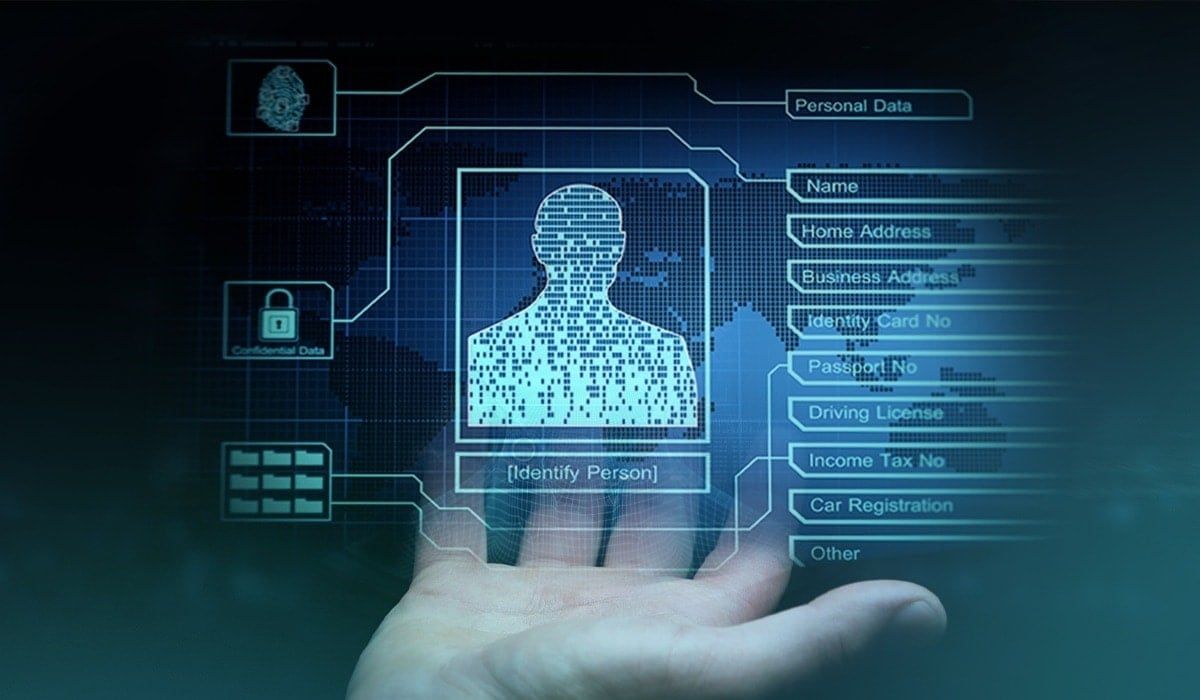
The Rise of Digital Identity
Every time you log into an app, verify a payment, or sign in with your fingerprint, you're using a digital identity. What was once just a username and password has evolved into a secure digital profile that represents who we are online. As businesses and governments continue to digitize their services, digital identity is becoming one of the most important technologies shaping the internet. New technologies like digital wallets, biometrics, and AI-powered verification are accelerating this shift while placing greater emphasis on privacy and security.
Digital identity is no longer limited to accessing websites. It now plays a key role in online banking, healthcare, education, e-commerce, and digital payments. Platforms like 4six Agent demonstrate how modern online services are increasingly focused on secure and seamless user experiences.
What Is Digital Identity?
A digital identity is the collection of information that proves who you are online. It can include:
Email addresses
Phone numbers
Biometric data like fingerprints or facial recognition
Government-issued digital IDs
Login credentials
Verified digital wallets
Together, these elements help users access services quickly while protecting sensitive information.
Why Digital Identity Matters
As more aspects of daily life move online, secure identity verification has become essential.
Digital identity helps:
Reduce online fraud.
Speed up account verification.
Improve customer experiences.
Enable secure digital transactions.
Protect personal information.
Instead of repeatedly entering personal details, users can verify their identity safely with just a few taps.
AI Is Making Digital Identity Smarter
Artificial intelligence is playing a growing role in digital identity.
Modern AI systems can detect suspicious login attempts, identify unusual user behavior, and help prevent identity theft. Combined with biometrics and multi-factor authentication, AI makes digital verification both faster and more secure. At the same time, organizations are investing in stronger protections against deepfakes and AI-powered fraud.
Challenges Still Remain
Despite its advantages, digital identity also raises important concerns.
Some of the biggest challenges include:
Data privacy
Cybersecurity threats
Identity theft
Deepfake impersonation
Responsible use of biometric data
Finding the right balance between convenience and privacy will remain a major focus over the coming years.
The Future of Digital Identity
Digital identity is expected to become even more integrated into everyday life. Governments and businesses are expanding digital identity wallets, passwordless authentication, and user-controlled verification systems to simplify online interactions while improving security.
If you enjoy reading about technology, digital innovation, and online trends, explore more insights at 4six Blogs.
Final Thoughts
Digital identity is quickly becoming the foundation of the modern internet. From secure logins and online payments to digital wallets and AI-powered verification, it is changing how we interact with technology every day.
As digital services continue to grow, having a secure, trusted, and user-friendly digital identity won't just be convenient—it will be essential.
Appreciate the creator