The Importance of Warning and Safety Signs
What are Warning Signs?
Warning signs, also known as safety signs, are visual signals that provide instructions and communicate potential risks. These signs are typically used to alert people of hazardous conditions, alert them to dangerous substances or equipment, and remind them to take necessary precautions in potentially hazardous environments. Warning signs are used in various places, including public areas, workplaces, schools, homes, and construction sites. Safety and Warning signs typically feature a black symbol or icon on a yellow background, although many other variations are available.
This blog post will discuss why custom metal warning signs are important and how to use them effectively.
Types of Warning Signs
Warning signs come in a variety of shapes, sizes, and colors. These signs inform, direct, or caution people of certain hazards, conditions, and safety requirements.
Common Types of Warning Signs Include:
Caution Signs:
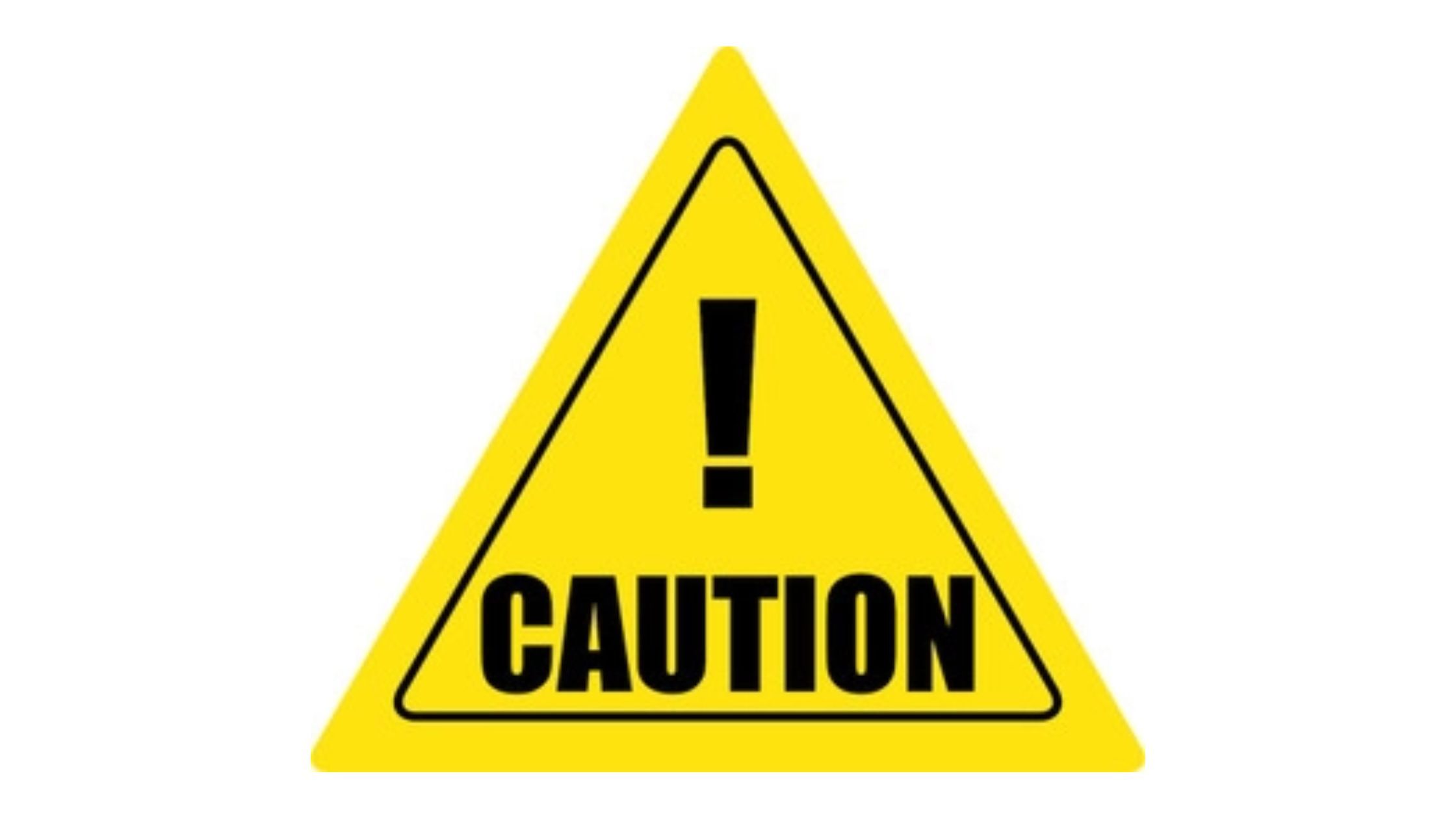
These signs alert people to the potential for danger or harm and warn them to take precautions. Examples of caution signs include "Caution: Wet Floor" or "Caution: Forklift In Use."
Danger Signs:
Danger signs notify people of an immediate hazard or hazardous condition that could lead to serious injury or death if not avoided. Examples include "Danger: High Voltage" or "Danger: Keep Out."
Pet Signs:
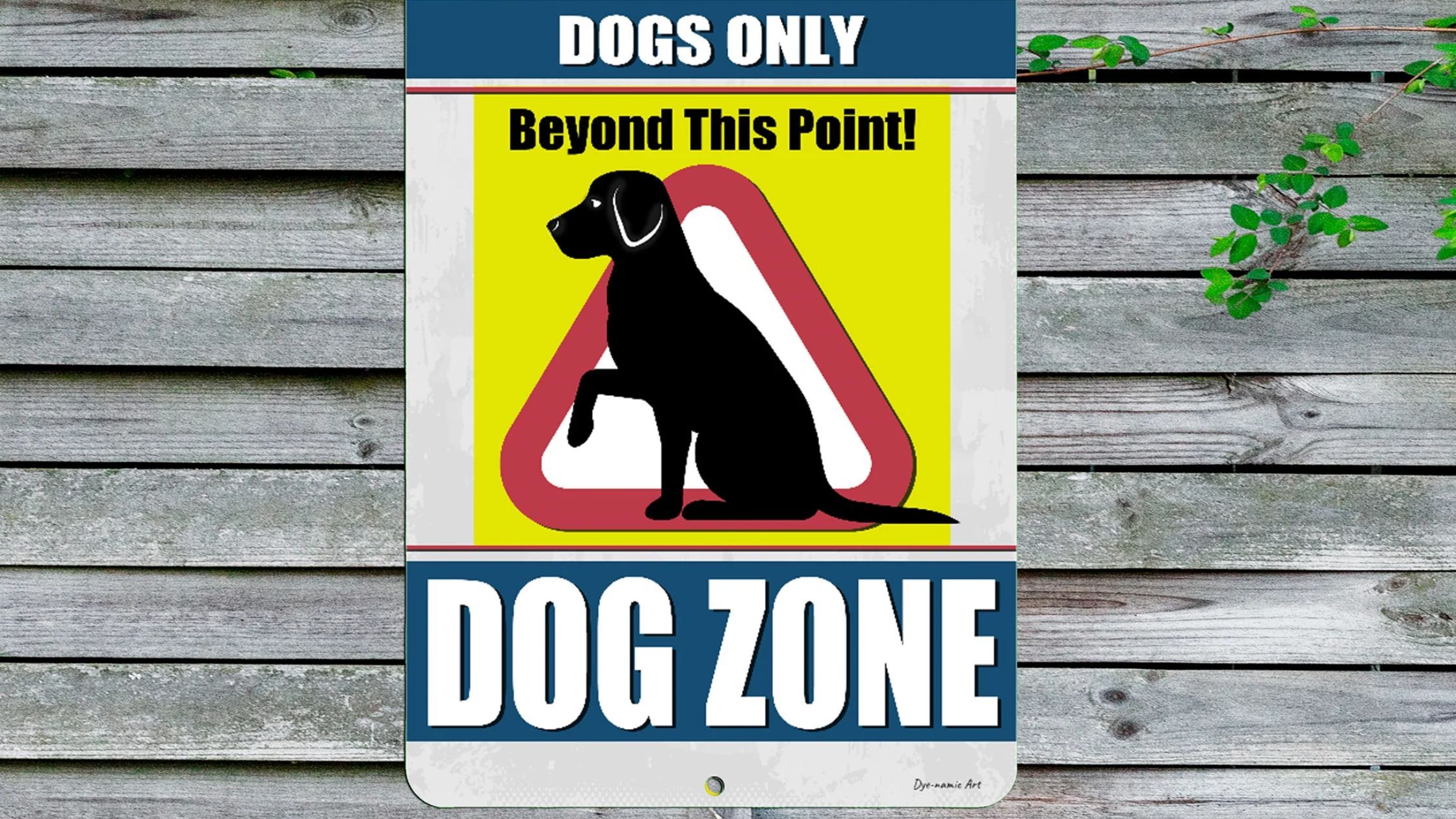
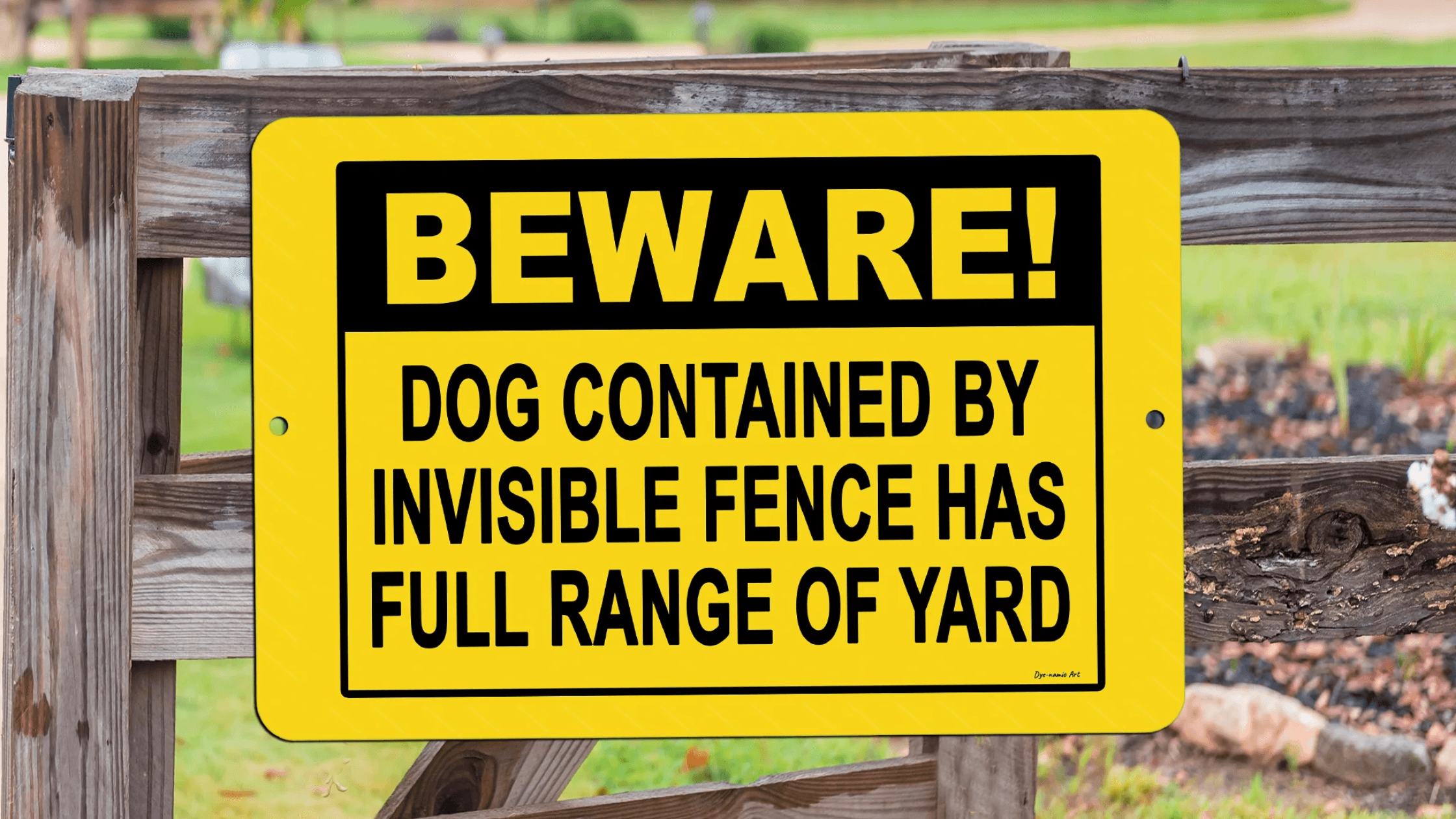
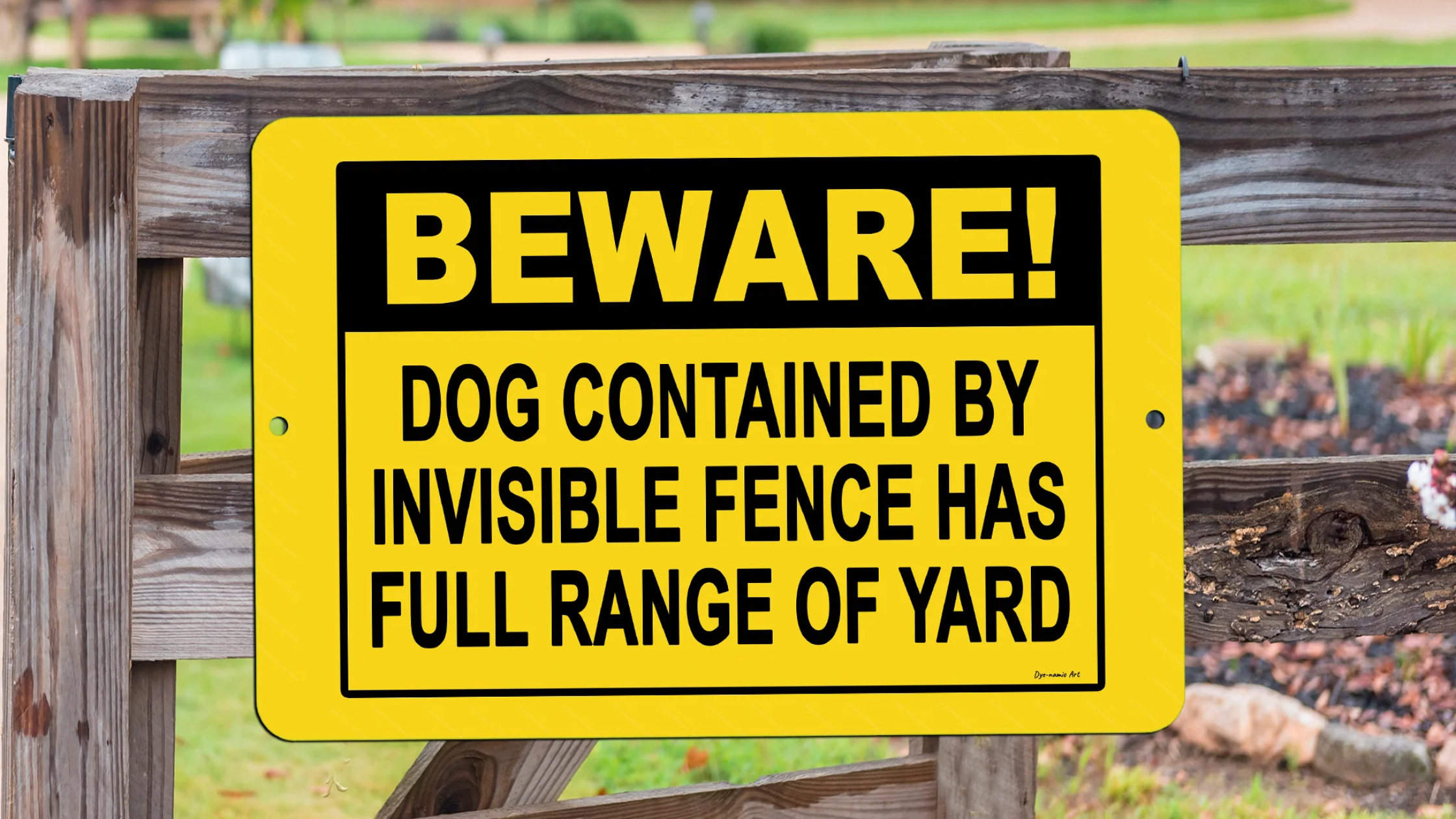
Pet signs inform people where pets are allowed and remind them of their responsibilities when caring for a pet. Dog and Cat Signsare essential for any household with cats and dogs. Not only do these signs help to keep pets safe, but they also serve as a reminder of safety precautions that need to be taken around animals. With the right signs, cats and dogs can coexist peacefully in the same space. Examples include "Notice Dogs Contained by Invisible Fence" or "Warning Do Not Enter-: Cats Only."
Notice Signs:

Notice signs provide information and instructions about a particular area or activity. Examples include "Notice: No Smoking" or "Notice: All Personnel Must Wear Safety Goggles."
Construction Signs:
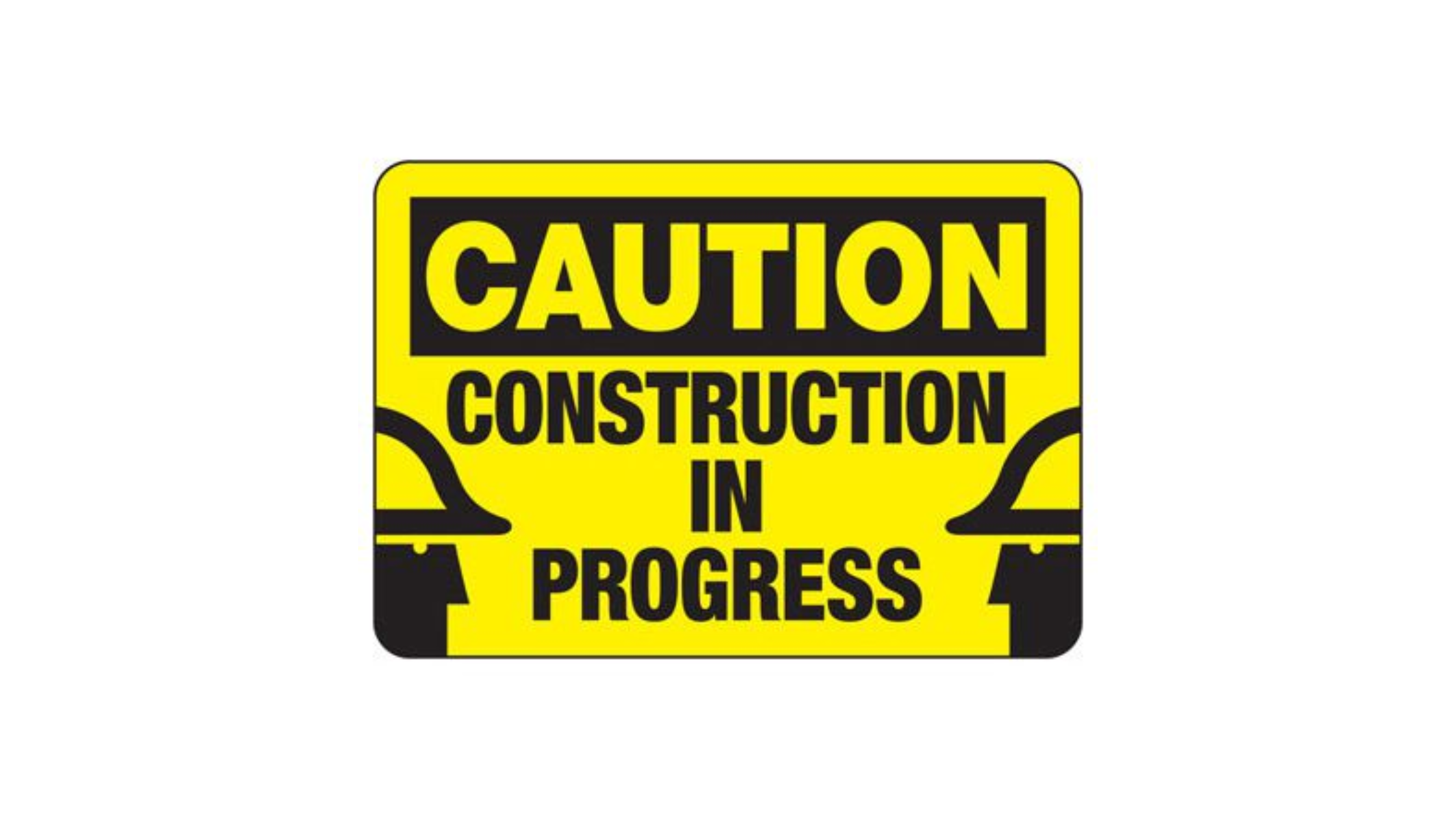
Construction signs provide information about construction projects and the areas around them. Examples include "Construction Zone Ahead" or "Workers Entering/Leaving Site."
No matter what type of warning sign you need, it is important that you choose one that is clear, visible, and meets the requirements for the situation in which it will be used.
How to Use Them?
Using warning signs is essential in any work environment to protect workers and visitors. You can take a few simple steps to ensure that your safety signage is used correctly and effectively.
First, it is important to determine the type of sign needed for the specific environment and situation. Signs come in various shapes, sizes, and materials and can be customized to meet the individual needs of any work site. Signs should be visible and include relevant information, such as potential hazards and precautions that need to be taken.
Once the correct sign has been selected, it should be displayed prominently in areas where workers and visitors can easily see it. It is also important to regularly check that the signs are still in place and in good condition. Additionally, it is important to review the signs regularly to ensure that all information is up-to-date and accurate.
Finally, it is important to follow all directions included on the sign. The signage should be followed by everyone at all times, regardless of whether they are workers or visitors. This will help ensure that all people remain safe while on the premises.
When to Use Them?
Warning signs should alert people to potential hazards or risks in their environment. They are especially important in hazardous areas with potential injury or illness. Warning signs should be placed in areas with a risk of physical harm, including industrial sites, construction sites, and areas with heavy machinery.
In addition, warning signs can be used to protect animals and pets. For example, dog and cat signs can be used to indicate areas that are off-limits to animals, as well as areas where animals must be leashed. This can help protect both people and pets from potential accidents and illnesses. Warning signs can also be used to alert pet owners of areas that may contain toxins or other harmful substances.
Finally, warning signs should also be used in public spaces to indicate places where people should not walk or play. This can help prevent injuries and ensure that children don't wander into dangerous areas. Warning signs can also indicate areas with high levels of traffic or noise or areas that may contain hazardous materials.
Using warning signs appropriately can help keep everyone safe from potential harm.
Why Are They Important?
Warning and safety signs provide information about potential risks and hazards so that people can be aware of their surroundings and take the necessary precautions to prevent accidents or other dangerous situations.
Safety signs can provide various benefits, from reducing risks to increasing efficiency.
A sign can often alert people to potential dangers before an accident occurs.
Or it can provide direction to improve processes or remind workers to use proper safety equipment.
Signs can also remind of company policies, allowing everyone to be on the same page regarding safety.
By utilizing warning and safety signs, businesses and organizations can reduce the chances of accidents, injuries, and fatalities while improving overall efficiency and compliance.
Signs are a cost-effective way to keep people safe and informed, making them an important part of any workplace safety plan.
Where to place them?
When it comes to warning and safety signs, the placement is just as important as their message. It is critical to post the signage so everyone who enters the building can easily see them. Properly placed signs warn people of potential dangers or risks, alert them of changing conditions, or direct them to safety.
You can place Warning and safety signs inside and outside any building or facility. Put them up on poles or walls that can be seen from all directions if you put them outside. The optimal locations for interior signage are at eye level and at circulation points like doorways, corridors, or stairwells. It's also good to put signs in high-traffic locations like lobbies, hallways, and staff break rooms.
To further ensure the visibility of warning and safety signs, you can add reflective materials or use larger signs for better visibility in low-light environments. You must use bright colors for the signs to make them stand out in any environment.
Finally, check the signs regularly for wear and tear and replace them if necessary.
Conclusion
Putting up warning and safety signs is easy if you know what kind of sign you need and where to put it. With the right materials, text, and graphics, your warning and safety signs will be able to effectively serve their purpose.
Appreciate the creator