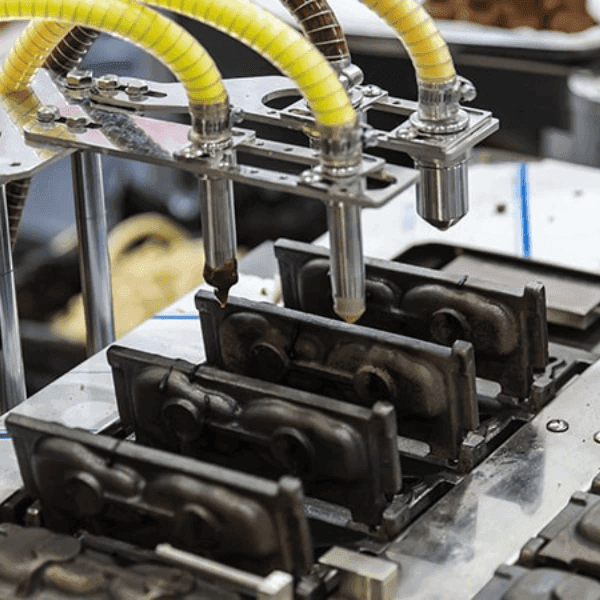
The Importance of Precision Molds in Modern Plastic Product Manufacturing
In automotive, electronics, medical devices, consumer goods, and industrial equipment industries, companies are facing growing pressures to manufacture plastic parts according to ever-increasing requirements concerning tight tolerances and performance criteria. Due to miniaturization of the products and their complexity, even small deviations from the proper specifications in a single component may have negative effects on the performance of the device. Improperly assembled connectors, moisture trap in a housing, or improper thickness of walls in a medical device are just several examples of problems that can be directly attributed to one thing – poor quality of the mold used in manufacturing the part. Quality of the mold has a profound and permanent effect on the final outcome because the shape, size, and finish of each manufactured part is determined by the mold used.
Mold design sets many of the things that will happen during production process before the actual manufacturing takes place. Designers and engineers need to take into account various parameters like product dimensions, plastic flow properties, part geometry in order to ensure that the mold will consistently produce the necessary products. Factors like wall thickness, draft angles, and rib locations affect plastic flow and cooling of the part.
An Injection Mold Manufacturer's Responsibilities
Making an injection mold from a mold design goes beyond having the right machinery. An injection mold manufacturer needs to have the technical know-how that will make all the difference during the process. The process will involve the review of the mold design and the engineering analysis before making it. Afterward, there will be machining, assembly, testing, and adjustments before approval. In each of these steps, there will be small decisions such as the type of steel used, gate location, and venting that can affect the performance of the mold. Therefore, the mold manufacturer needs to have good process control to ensure that the finished product has adhered to the specifications of the design rather than adding new variables to the process.
Tooling and Mold Preparation
After the mold design, comes tooling services that will be used to build the mold. The best tooling services will always involve the combination of different manufacturing processes including CNC machining of core and cavities, EDM, and mold base assembly. Once machining is done, the parts are polished to achieve the desired surface finish before being assembled and tested. Through this process, some defects that include flash, short shots,
Choosing a Single Cavity Mold
A mold with more than one cavity is not always necessary. The single cavity injection mold will only produce one part per cycle as opposed to the multi-cavity molds, which produce several parts at once. The single cavity mold is often simple to make and maintain. This kind of mold is often a good choice for specialized parts and low/moderate production volume. It can also be a good option for complicated parts whose uniformity would be hard to guarantee using multiple cavities. The single cavity mold is commonly used during pilot production runs and by businesses that desire to have more control over the quality of their parts.
Producing a Prototype Mold Before Production Run
Many businesses prefer producing a prototype mold before moving to full-scale production. In this case, it becomes possible to manufacture limited quantities of parts under manufacturing conditions rather than through the use of 3D printed or milled prototypes. Parts manufactured from a prototype mold can be tested in terms of dimension, fit, mechanical functionality and general appearance. It also becomes possible to test real plastic under molding conditions. In other words, it becomes possible to see what shrinkage or surface.
From Prototype Testing to Full Production
Feedback provided by the tests on prototypes can be used in improving both the design of the mold and of the product itself. In case a part is deformed, has inconsistent wall thickness or cannot be assembled properly, these defects can be corrected at the stage of mold modification or design optimization before full tooling. Early discovery of such defects is much less troublesome than finding out about them at the production stage, where any correction of the mold means either machine idling or reworking the steel. This gradual validation process will make sure that most potential problems have been discovered before entering full production stage.
Important Considerations for Molding Solutions
The choice of molding solution should take into account a variety of interlinked parameters. Volume of production should be an important parameter since different volumes of production presuppose different methods of tooling. Complexity of the product and the materials it is made from affect cavity design, cooling of the parts and type of steel. Dimensional tolerance of the parts, especially of those which need high precision, can require higher accuracy in machining and additional quality control. Budget allocated for tooling.
Commonly Asked Questions
Why does mold quality matter so much when producing plastics?
Since the mold determines the physical features of the final product, it will influence everything about it, from its measurements to its surface finish and even its sturdiness. Molds that have not been built well will produce products that are not always of high quality.
What kind of help does an injection mold manufacturer give to product quality?
The injection mold manufacturer usually starts by participating in reviews and then goes on to machine and assemble the mold. They will use their technical skills to ensure that the mold performs correctly once put into operation.
What is included in professional mold tooling services?
Professional mold tooling services include CNC machining, EDM of hardened areas, mold assembly, polishing, and test shot evaluations. These are the processes necessary to discover and eliminate problems such as flash, short shots, or ejection issues.
When is a single cavity injection mold appropriate?
A single cavity injection mold could be a good option if the part being produced has a particular shape or geometry, moderate volumes of production are needed, or the company prefers greater quality control before buying multiple cavities.
Why would a company make a prototype injection mold prior to full production?
By utilizing a prototype injection mold, parts can be produced under conditions similar to those of actual manufacturing instead of depending solely on 3D printing. It will allow assessing dimensions, material properties, functionality, and potentially discover problems that are hard to predict using design software.
What criteria must be taken into account when selecting a mold solution?
The important criteria include production volume, part complexity, material, dimension tolerances, tooling budget, the desired mold life, and the production timeline. Considering all these criteria will help choose a mold solution that will fit the needs of actual production better than one size fits all solution.
Are any problems detected during prototype testing too late to fix?
No. The problems discovered during prototype testing like warping and unequal wall thicknesses, for example, can be corrected with mold modifications or even design changes before producing high-volume tooling.
Conclusion
The production of successful plastic products requires much more than just an injection molding machine. Mold design, manufacturing, tooling, and prototyping can all contribute to the success of a final product. All these processes must be done with precision and care so that the result is of the required quality. Companies that take their time learning about these steps and collaborate with qualified partners in these processes are better suited for bringing successful plastic products to the market.
Appreciate the creator