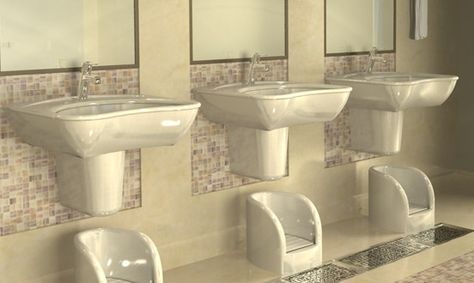
The Importance of Hygienic Wudu Wash Basin Systems
Modern public infrastructure is increasingly shaped by hygiene, safety, and user comfort standards. In places such as mosques, airports, schools, and commercial complexes, ablution facilities play a critical role in maintaining cleanliness and supporting daily religious practices. A well-designed Wudu Wash Basin is essential in ensuring that these spaces remain sanitary, efficient, and accessible for all users.
From an international trade perspective, hygienic sanitation systems are also gaining strong traction in export markets. Businesses supplying building materials and sanitary solutions can leverage this demand by focusing on product quality, design innovation, and effective global marketing strategies that highlight practical benefits for large-scale facilities.
One example of a modern solution is the Wudu Wash Basin, which demonstrates how thoughtful engineering can improve hygiene standards while meeting the functional requirements of high-traffic environments.
Why Hygiene Matters in Ablution Facilities
Ablution areas are used multiple times a day by large groups of people, making hygiene a top priority. Poorly designed washing spaces can lead to water contamination, slip hazards, and bacterial buildup.
A hygienic system helps:
Maintain cleanliness in shared environments
Reduce the spread of germs and bacteria
Improve user safety and comfort
Lower maintenance and cleaning costs
For facility managers, investing in hygienic design is not just about compliance—it is about ensuring long-term operational efficiency.
Key Features of Hygienic Wudu Wash Basin Systems
Modern Wudu systems are engineered with hygiene at the core of their design. Manufacturers focus on materials and structures that reduce contamination risks and simplify cleaning.
Non-Porous and Easy-to-Clean Surfaces
One of the most important features is the use of non-porous materials. These surfaces prevent water absorption and inhibit bacterial growth, making them easier to maintain in busy environments.
Efficient Water Flow Control
Proper water management reduces splashing and stagnant water, both of which can contribute to hygiene issues. Controlled flow systems ensure that water is used efficiently and directed properly into drainage systems.
Seamless Design Structure
Minimal joints and smooth finishes help eliminate hidden areas where dirt and bacteria can accumulate. This design approach significantly improves overall cleanliness.
Integrated Drainage Systems
Effective drainage prevents water pooling, which is essential for maintaining dry and safe walking areas. Good drainage design also reduces odors and slip risks.
Impact on Public Health and Safety
Hygienic ablution systems contribute directly to public health. In shared environments, even minor design flaws can increase the risk of contamination or accidents.
Well-designed systems help:
Prevent cross-contamination between users
Reduce standing water and slip hazards
Maintain better air quality in enclosed spaces
Support healthier public environments
These benefits are especially important in crowded locations such as transport hubs, universities, and large religious centers.
Importance in Commercial and Institutional Buildings
Beyond religious spaces, hygienic Wudu facilities are increasingly installed in commercial and institutional buildings. This reflects a broader trend toward inclusive and culturally aware infrastructure design.
Common installation sites include:
Airports and travel terminals
Corporate office buildings
Hotels and hospitality venues
Educational institutions
Shopping centers
Providing proper ablution facilities enhances user experience and demonstrates respect for diverse cultural needs.
Export Market Potential for Hygienic Sanitary Solutions
The global demand for high-quality sanitary systems is expanding, particularly in regions investing heavily in infrastructure development. Exporters who focus on hygienic Wudu solutions can tap into a growing international customer base.
To strengthen export sales, businesses often focus on:
Highlighting hygiene certifications and product standards
Creating targeted marketing campaigns for construction firms
Showcasing real project installations in brochures
Using digital platforms to reach global buyers
Building partnerships with distributors and contractors
These strategies help position suppliers as reliable partners in large-scale infrastructure projects.
Marketing Hygiene as a Key Selling Point
In competitive international markets, hygiene is a powerful marketing message. Buyers increasingly prioritize products that reduce maintenance costs and improve user safety.
Content marketing, technical documentation, and visual demonstrations can help communicate these advantages effectively. Educating potential buyers about long-term hygiene benefits also builds trust and encourages repeat business.
Conclusion
Hygiene is a fundamental requirement in modern ablution facility design. A well-engineered Wudu Wash Basin not only supports religious practices but also enhances public health, safety, and operational efficiency in high-traffic environments.
For exporters and manufacturers, this growing demand presents a strong opportunity to expand into global markets. By focusing on hygienic design, durability, and effective marketing strategies, businesses can meet international expectations and build long-term success in the sanitary solutions industry.
Appreciate the creator