The Hidden Relationship Stress Behind Fertility Problems
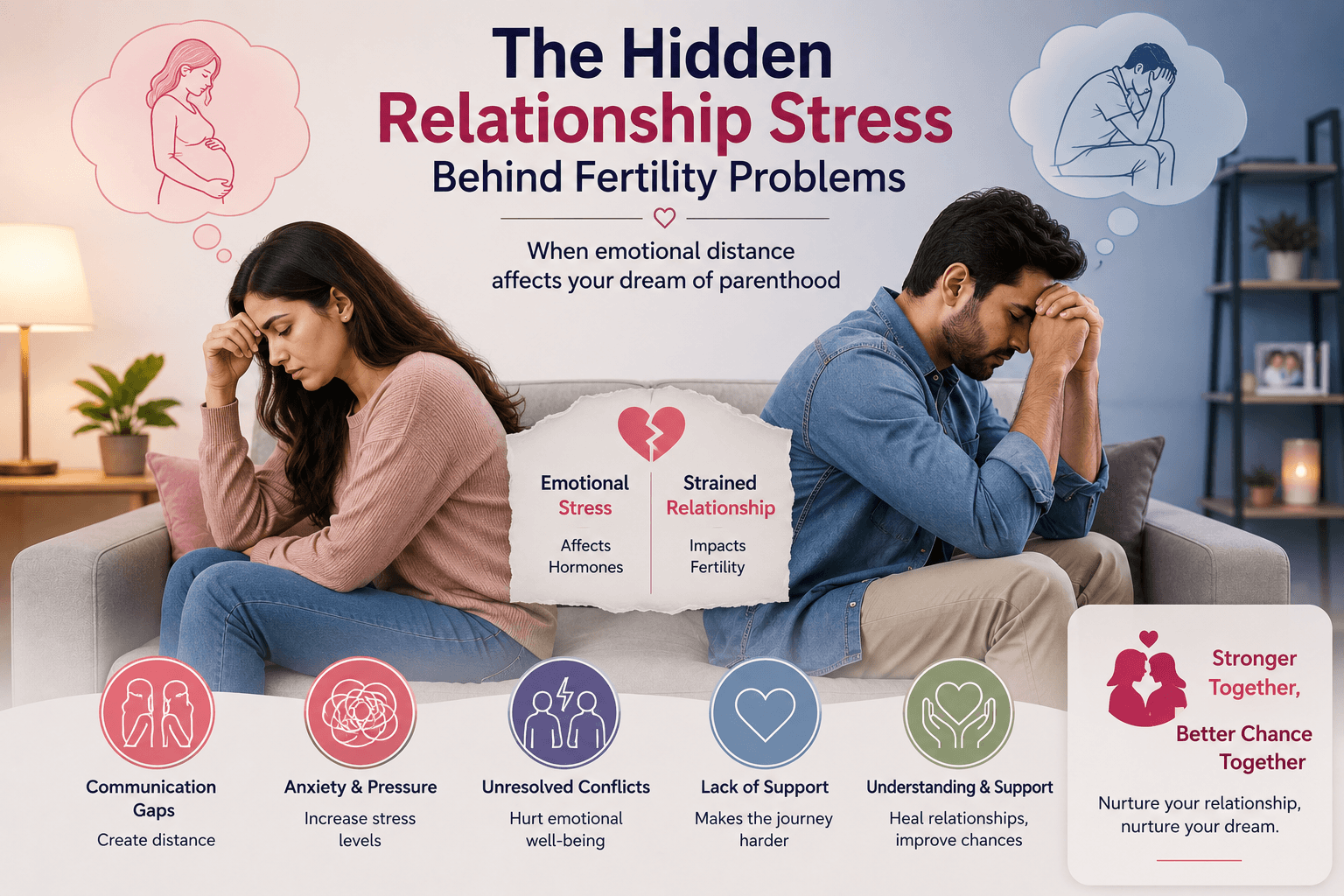
Have you noticed how "just relax" is the most common advice given to couples trying to conceive, yet it's the hardest thing to actually do? Fertility struggles often come with a quiet weight that nobody talks about enough, the tension between partners that builds up cycle after cycle.
Doctors at the best IVF centre in Delhi (https://www.drpoonamgoyal.in/best-ivf-clinic-in-delhi) regularly meet couples where the medical picture is only part of the story. Timed intimacy, repeated disappointment, and unspoken blame can strain even strong relationships. This article looks at that hidden side of fertility struggles, and what can actually help.
What Is Relationship Stress in the Context of Fertility?
Relationship stress here means the tension, pressure, or emotional distance that builds between partners while trying to conceive. It often shows up as reduced intimacy, communication breakdowns, or one partner feeling blamed more than the other.
This isn't unusual. Fertility treatment adds scheduling pressure and emotional highs and lows that most relationships aren't prepared for.
Why Does This Stress Happen During Fertility Struggles?
Short answer: Fertility struggles bring monthly cycles of hope and disappointment, financial pressure, and pressure around intimacy timing. This repeated emotional strain, combined with family or social expectations, often creates tension between partners even when both are equally invested in the outcome.
Signs Relationship Stress Is Affecting Your Fertility Journey
Avoiding conversations about treatment or trying again
Intimacy feeling scheduled rather than natural
Increased arguments around appointments or decisions
One partner feeling isolated in the process
Reduced emotional closeness despite living together
What Causes This Stress to Build Up?
Repeated negative pregnancy tests over months or years
Financial strain from ongoing fertility treatment
Family pressure or unsolicited advice from relatives
Feeling like intimacy has become a task, not a connection
Unequal emotional processing between partners
Social comparison with others who conceived easily
Risk Factors That Make Stress Worse
Long treatment timelines without breaks
Lack of open communication about feelings
One partner carrying most of the appointment and treatment load
Limited support system outside the relationship
Pre-existing relationship tension unrelated to fertility
How Do Doctors Recognise When Stress Is a Factor?
Short answer: Doctors often notice stress through patient conversations, missed appointments, or visible tension during consultations. While stress alone rarely causes infertility, chronic stress can affect hormone regulation and ovulation, which is why doctors ask about emotional wellbeing alongside physical symptoms.
Treatment and Support Options for Couples
Open Communication Practices
Setting aside time to talk about feelings, separate from treatment logistics, helps rebuild connection.
Fertility Counselling
Many clinics now offer counselling support alongside medical treatment, helping couples process emotions together rather than separately.
Shared Decision-Making
Involving both partners equally in appointments and decisions reduces the feeling of carrying the burden alone.
Taking Breaks When Needed
A short pause between treatment cycles can sometimes help both partners reset emotionally before continuing.
Dr. Poonam Goyal often encourages couples to treat this as a shared journey rather than one partner's responsibility. This shift in mindset tends to ease a lot of unspoken pressure.
Lifestyle Tips to Support Emotional and Physical Fertility Health
Prioritise open, judgment-free conversations as a couple
Consider counselling support if tension feels ongoing
Maintain a balanced diet and regular sleep schedule
Limit comparing your journey to others on social media
Make time for connection outside of fertility discussions
Support female fertility in Delhi (https://www.drpoonamgoyal.in/best-female-fertility-in-delhi) patients through both medical care and emotional stability at home
When Should You See a Doctor or Counsellor?
See a doctor if fertility struggles are affecting your relationship significantly, or if communication has broken down. A counsellor or fertility specialist can help address both the emotional and medical sides together. Waiting too long often adds more strain than necessary.
Role of the Right Fertility Centre in Reducing Stress
Choosing a centre that treats you as a couple, not just a patient, makes a real difference. The best IVF centre in Delhi typically offers transparent communication, realistic expectations, and support beyond just medical procedures.
For couples starting with simpler treatment options, the best IUI centre in Delhi (https://www.drpoonamgoyal.in/iui) can also provide a less intense starting point, which sometimes reduces early treatment pressure before considering IVF.
Expert Advice
Dr. Poonam Goyal often reminds couples that stress doesn't mean something is wrong with the relationship. It means the process is hard, and that's a normal response worth addressing openly rather than hiding.
Key Takeaways
Relationship stress during fertility struggles is common and often unspoken
Repeated disappointment, financial pressure, and family expectations add to this stress
Chronic stress can affect hormone regulation, though it rarely causes infertility alone
Counselling and open communication can ease tension between partners
A supportive fertility centre treats both partners as part of the journey, not just the patient undergoing treatment
FAQs
1. Can stress actually cause infertility? Stress alone rarely causes infertility, but chronic stress can affect hormone regulation and ovulation patterns. It often adds to existing fertility challenges rather than creating them directly. Managing stress alongside medical treatment tends to support better overall wellbeing during the fertility journey.
2. How can couples reduce tension during fertility treatment? Open communication, shared decision-making, and setting aside non-treatment related time together can help. Fertility counselling is also useful for couples struggling to process emotions individually. The best IVF centre in Delhi often includes emotional support as part of the treatment plan.
3. Is it normal to feel disconnected from my partner during fertility treatment? Yes, this is a common experience. Scheduled intimacy, repeated disappointment, and treatment pressure can create emotional distance even in strong relationships. Recognising this early and addressing it through conversation or counselling helps prevent it from growing into a bigger issue.
4. Should couples take a break from fertility treatment if stress is high? Sometimes, yes. A short break between cycles can help both partners recover emotionally before continuing. This decision should be discussed with your doctor, since timing matters depending on age and specific fertility factors involved in your treatment plan.
5. Does fertility counselling actually help treatment outcomes? Counselling primarily supports emotional wellbeing rather than directly improving medical success rates. However, reduced stress and better communication often help couples stay consistent with treatment protocols, attend appointments regularly, and make clearer decisions throughout the fertility journey.
Appreciate the creator