The Harmful Effects of Secondhand Smoke on Children
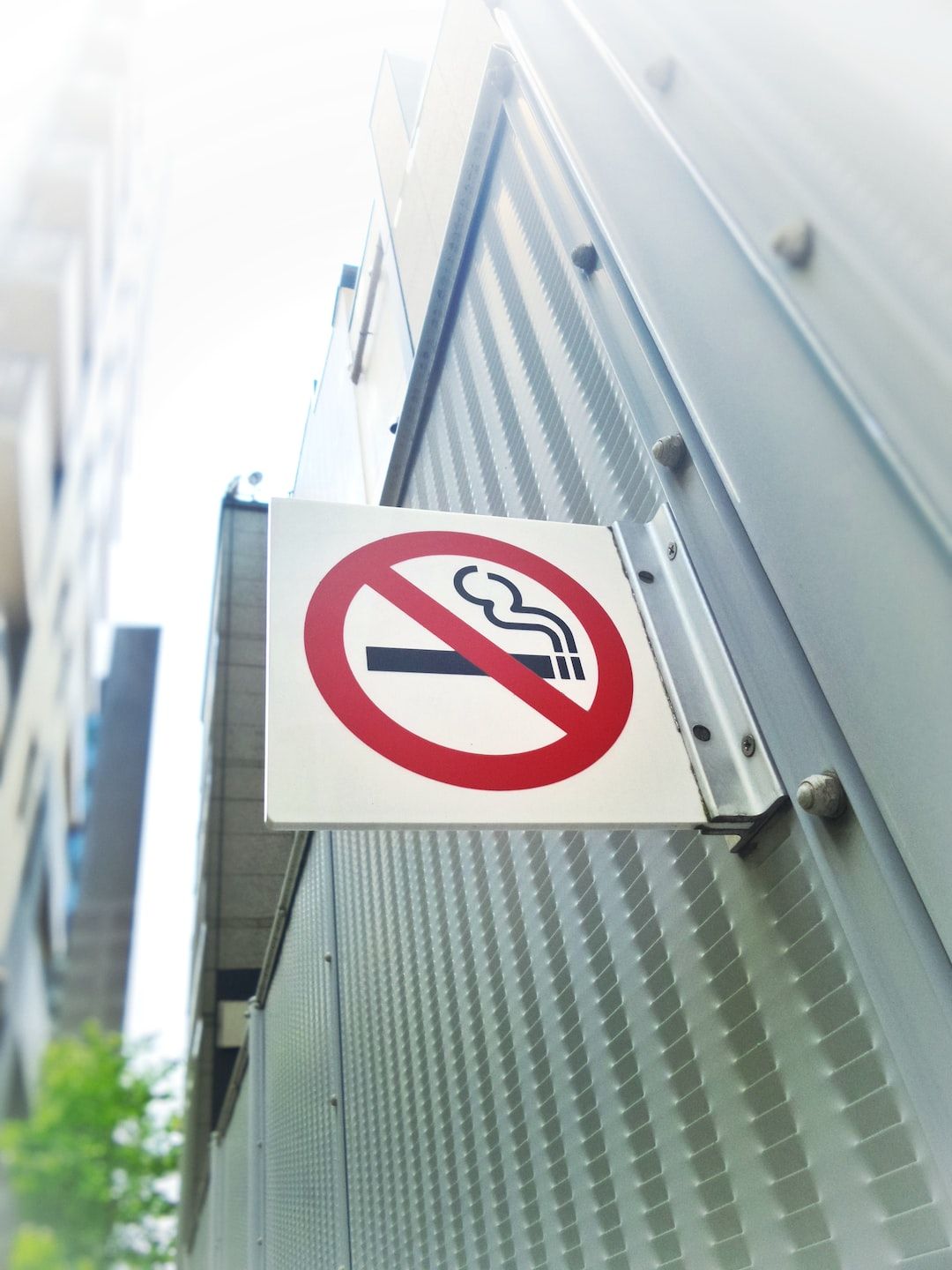
Hey there, folks! Have you ever thought about the impact of secondhand smoke on children? Well, buckle up because today, on World No Tobacco Day, we're going to dive deep into this pressing issue. Secondhand smoke isn't just a minor annoyance; it poses significant risks to the health and well-being of our little ones. So, let's explore the dangers and shed some light on why we need to take action!
What is Secondhand Smoke?
Before we delve into the harmful effects, let's make sure we're on the same page regarding what secondhand smoke is. Secondhand smoke, also known as passive smoke or environmental tobacco smoke, refers to the combination of smoke from a burning tobacco product and the smoke exhaled by a smoker. This mixture contains over 7,000 chemicals, including at least 70 known carcinogens. Scary, right?
The Inhalation Conundrum: How Secondhand Smoke Enters Our Children's Bodies
Now, picture this: you're in a room filled with secondhand smoke. As an adult, you may find it uncomfortable, but did you know that children are even more susceptible to its effects? Their developing bodies and faster breathing rates make them prime targets for the harmful substances lurking in the air.
When a child breathes in secondhand smoke, these toxic particles invade their respiratory system, travelling deep into their lungs. Their little lungs are still developing, and exposure to secondhand smoke can hinder their growth, leading to respiratory problems such as asthma and bronchitis. It's like breathing in pollution every day!
The Silent Aggressor: Long-Term Health Effects
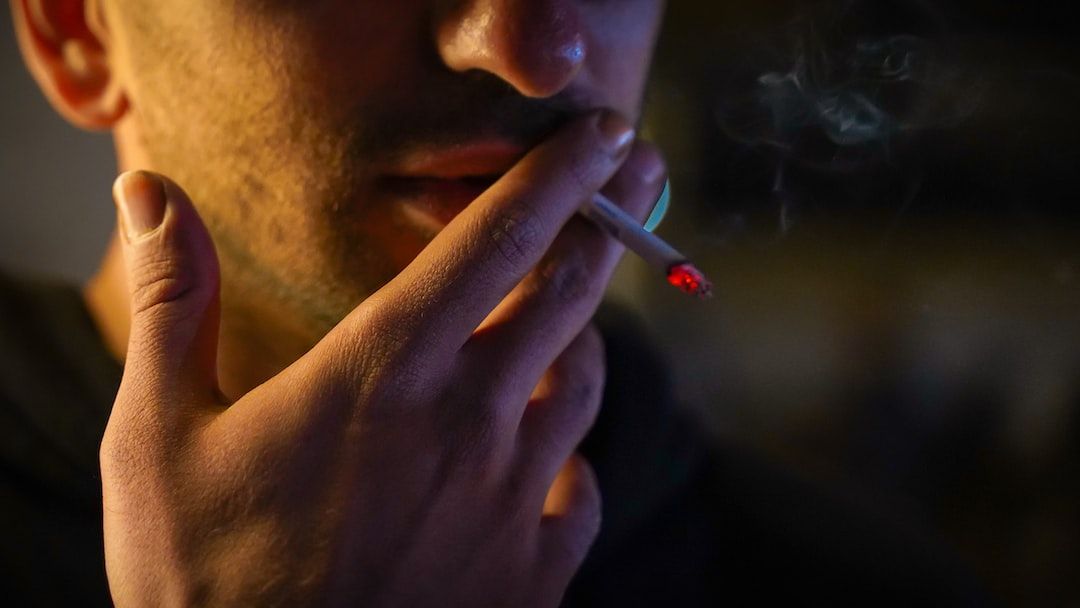
Now, here's where things get serious. Secondhand smoke isn't just a temporary annoyance; it can have long-lasting consequences for our children. Research has shown that prolonged exposure to secondhand smoke increases the risk of various health conditions, including:
Asthma: Secondhand smoke triggers asthma attacks and can even cause asthma in children who weren't previously affected. It's like blowing hot embers into a fire pit!
Respiratory Infections: Children exposed to secondhand smoke are more prone to respiratory infections, such as pneumonia and bronchitis. It's like throwing a party for harmful bacteria in their little lungs!
Ear Infections: Yup, secondhand smoke strikes again. Kids exposed to this toxic air are at a higher risk of developing painful ear infections. It's like giving a concert ticket to those pesky bacteria!
Sudden Infant Death Syndrome (SIDS): Perhaps the most alarming consequence, infants exposed to secondhand smoke have a higher risk of SIDS. It's like playing a twisted game of Russian roulette with their lives!
Protecting Our Little Ones: The Importance of Smoke-Free Environments
Now that we've highlighted the dangers, it's time to discuss the measures we can take to protect our precious children from secondhand smoke. Creating smoke-free environments is crucial for their health and well-being. Here are a few key steps we can take:
No Smoking Indoors: Designate your home as a smoke-free zone. Encourage family members and guests to smoke outside, away from the little ones. It's like giving them a breath of fresh air!
Smoke-Free Cars: Avoid smoking inside vehicles, especially when your children are present. Roll down those windows and let the wind carry the smoke away!
Support Smoke-Free Public Places: Advocate for smoke-free policies in public spaces such as parks, restaurants, and playgrounds. Let's create a safer environment for everyone!
Conclusion
As we wrap up our exploration of the harmful effects of secondhand smoke on children, it's important to remember that their health is in our hands. Secondhand smoke poses a serious threat to their well-being, from respiratory problems to increased risks of asthma, infections, and even SIDS.
On this World No Tobacco Day, let's take a moment to reflect on the impact of our actions. By creating smoke-free environments and promoting healthier habits, we can protect our little ones from the dangers of secondhand smoke. It's time to prioritize their health and ensure they grow up in an atmosphere free from toxic fumes.
So, the next time you light up a cigarette, think about the innocent children around you. Consider the air they breathe and the potential harm they may face. Let's work together to build a smoke-free world for our children—a world where they can grow, play, and breathe freely without the shadows of secondhand smoke clouding their futures.
Remember, each small step counts. Whether it's advocating for smoke-free policies, supporting educational campaigns, or simply making your home and car smoke-free zones, you can make a difference. It's time to be proactive and take action to safeguard the health of our little ones.
Together, we can create a healthier, smoke-free environment for our children—one where they can flourish, grow, and chase their dreams without the lingering threat of secondhand smoke. Let's join hands, spread awareness, and make this World No Tobacco Day a turning point in our collective commitment to protect the most vulnerable among us.
So, take a deep breath, and let's work towards a brighter, smoke-free future for our children. Together, we can make it happen!
Key Takeaways
Secondhand smoke contains over 7,000 chemicals, including known carcinogens.
Children are more susceptible to the harmful effects of secondhand smoke due to their developing bodies and faster breathing rates.
Prolonged exposure to secondhand smoke increases the risk of asthma, respiratory infections, ear infections, and SIDS in children.
Creating smoke-free environments, both at home and in public spaces, is crucial for protecting children from the dangers of secondhand smoke.
On World No Tobacco Day, let's take action to ensure a healthier, smoke-free future for our children.
Additional Resources
If you want to learn more about the harmful effects of secondhand smoke on children and how to create smoke-free environments, here are some additional resources you may find helpful:
American Lung Association: https://www.lung.org/
Centers for Disease Control and Prevention: https://www.cdc.gov/tobacco/index.htm
World Health Organization: https://www.who.int/health-topics/tobacco
Remember, knowledge is power, and by educating ourselves and spreading awareness, we can protect the well-being of our children and future generations.
Keep up the good fight against secondhand smoke, and let's make every day a smoke-free day for our little ones!
Note: This blog article contains general information and is not intended as a substitute for professional medical advice. Always consult with a healthcare professional for specific guidance and recommendations.
Appreciate the creator