The Future of Gaming Trends: How Technology Is Shaping the Next Generation of Interactive Entertainment
The gaming industry has evolved rapidly over the past decade, and as we move forward, the future of gaming trends is becoming more exciting than ever. With advancements in technology, changing player expectations, and the rise of new platforms, gaming is no longer just a form of entertainment—it is a complete digital experience that connects millions of people around the world.
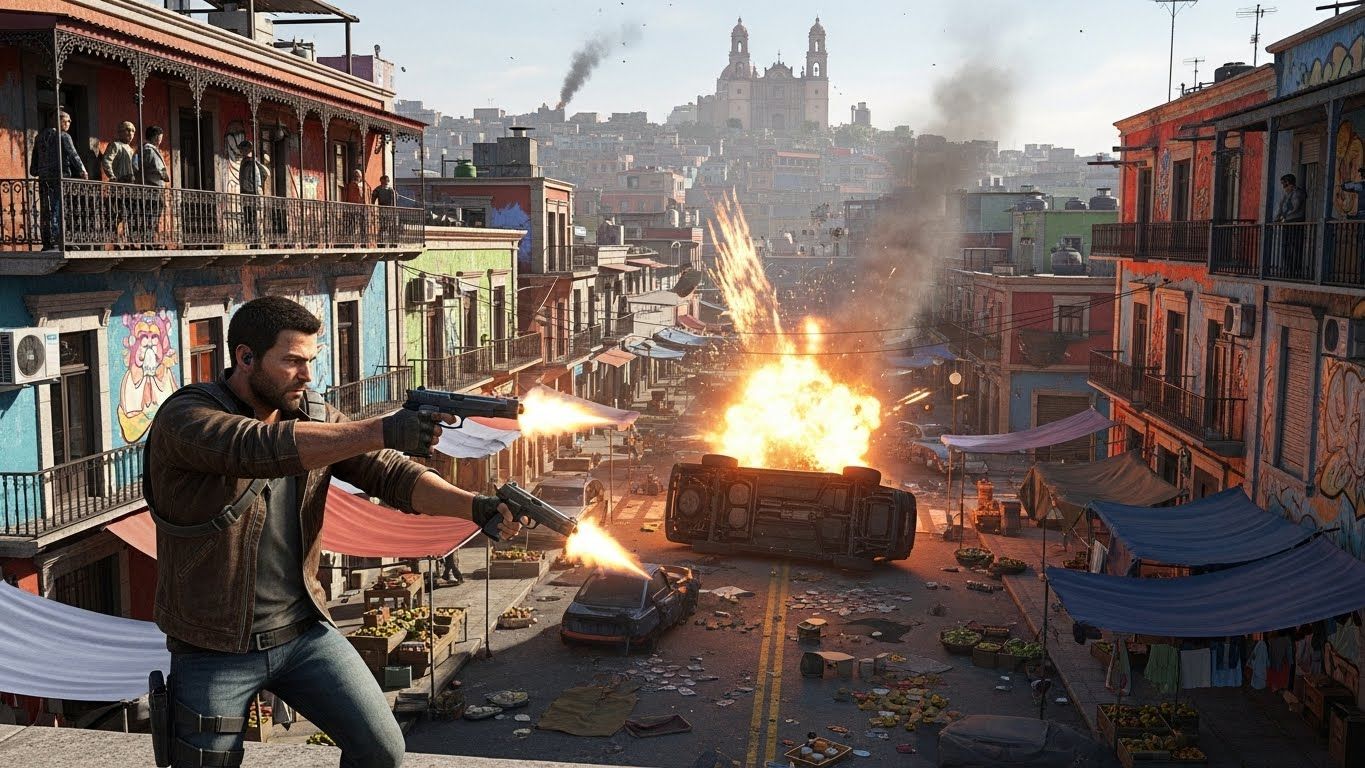
One of the biggest trends shaping the future of gaming is the continuous improvement in graphics and performance. Modern games are now capable of delivering near-realistic visuals, detailed environments, and smooth gameplay. This shift is not only enhancing immersion but also raising the standards for developers. Players now expect high-quality visuals combined with seamless performance, even on mobile devices. As hardware continues to improve, we can expect even more lifelike experiences in the coming years.
Another major trend is the growth of mobile gaming. Smartphones have become powerful enough to handle complex games that were once limited to consoles and PCs. This has opened the door for a wider audience, allowing more people to access gaming anytime and anywhere. Mobile gaming is also driving innovation in user interface design and accessibility, making games easier to play and more engaging for users of all ages.
Cloud gaming is also playing a significant role in shaping the future. With cloud technology, players no longer need high-end hardware to enjoy advanced games. Instead, games can be streamed directly from servers, reducing the need for expensive devices. This not only makes gaming more accessible but also changes the way games are distributed and played. As internet speeds improve globally, cloud gaming is expected to become a standard in the industry.
The rise of multiplayer and social gaming experiences is another important trend. Gaming is no longer a solo activity; it has become a social platform where players can connect, compete, and collaborate. Online multiplayer modes, live events, and in-game communities are bringing people together in new ways. This trend is further supported by the integration of social features, such as voice chat, live streaming, and shared experiences.
Artificial intelligence is also transforming the gaming landscape. AI is being used to create smarter non-player characters, adaptive gameplay, and personalized experiences. This means that games can now respond to individual player behavior, making each experience unique. AI-driven systems are also helping developers create more dynamic and engaging content, improving the overall quality of games.
In addition to technology, player expectations are also evolving. Gamers are now looking for deeper stories, meaningful choices, and immersive worlds. This has led to the rise of open-world games, where players have the freedom to explore and interact with the environment in their own way. Storytelling has become a key element in modern games, with developers focusing on creating emotional and engaging narratives.
The future of gaming is also closely linked to emerging technologies such as virtual reality (VR) and augmented reality (AR). These technologies are pushing the boundaries of what is possible in gaming by creating fully immersive experiences. While VR and AR are still developing, they have the potential to redefine how players interact with games and digital environments.
Esports and competitive gaming are also growing rapidly. Professional gaming has become a global phenomenon, with tournaments, sponsorships, and large audiences. This trend is creating new opportunities for players, content creators, and developers, making gaming a viable career path for many.
Another interesting aspect of the future is the role of community-driven content. Players are now actively participating in the development of games through mods, feedback, and user-generated content. This collaboration between developers and players is leading to more innovative and engaging experiences.
As the gaming industry continues to grow, staying updated with the latest trends and developments becomes increasingly important. For those interested in exploring more gaming updates, tips, and insights, you can find additional content here:
https://gtamobiles.com/
In conclusion, the future of gaming is full of possibilities. With advancements in technology, changing player preferences, and the rise of new platforms, gaming is set to become even more immersive, accessible, and engaging. Whether you are a casual player or a dedicated gamer, the next generation of gaming promises to deliver experiences that go beyond imagination.
Appreciate the creator