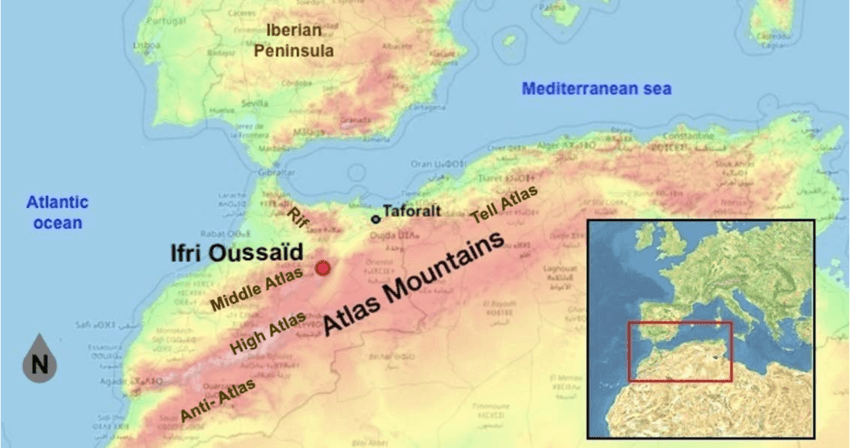
The Complete Atlas Mountains Map & Travel Guide
Exploring Morocco’s dramatic landscapes begins with understanding the atlas mountains map in detail. From snow-capped summits to deep desert valleys, the Atlas range offers one of North Africa’s most spectacular travel experiences. In this comprehensive guide, we navigate the geography, regions, scenic routes, and must-visit destinations that shape the ultimate Atlas adventure.
Understanding the Atlas Mountains: Geography & Layout
The Atlas Mountains stretch approximately 2,500 kilometers across Morocco, Algeria, and Tunisia. When examining an atlas mountains map, we notice that the system forms a natural barrier separating the Mediterranean coastline from the vast Sahara Desert.
In Morocco, the range divides into three major sections:
High Atlas
Middle Atlas
Anti-Atlas
Each region offers a distinct landscape, climate, and travel experience.
High Atlas: The Roof of North Africa
The High Atlas dominates the central portion of the atlas mountains map, featuring the tallest peaks in the region. At its heart stands Mount Toubkal, rising to 4,167 meters. This iconic summit attracts trekkers and climbers from around the world.
The High Atlas is characterized by:
Snow-covered peaks in winter
Terraced Berber villages
Deep gorges and dramatic valleys
Winding mountain passes
The legendary Tizi n'Tichka connects Marrakech to southeastern Morocco, offering one of the most scenic drives in Africa.
When planning routes, studying the atlas mountains map carefully ensures travelers understand elevation changes and distances between remote villages.
Middle Atlas: Forests, Lakes & Cooler Climates
North of the High Atlas lies the Middle Atlas, often overlooked yet equally stunning. On the atlas mountains map, this region appears as a plateau-like mountain system with rolling hills and cedar forests.
Highlights include:
Alpine-style towns near Fes
Scenic lakes and wildlife reserves
Cooler temperatures ideal for summer travel
The Middle Atlas provides a refreshing contrast to the rugged High Atlas and arid southern regions.
Anti-Atlas: Rugged Beauty & Desert Transitions
South of the High Atlas, the Anti-Atlas range offers a more arid and dramatic environment. On an atlas mountains map, this region stretches toward Morocco’s southern provinces, blending into desert landscapes.
The Anti-Atlas features:
Granite rock formations
Remote Amazigh villages
Panoramic desert viewpoints
Travelers seeking solitude and raw landscapes often prefer this lesser-visited section.
Iconic Valleys & Gorges to Mark on Your Map
A detailed atlas mountains map reveals several spectacular valleys and gorges that define the travel experience.
Dades Valley
Known for its serpentine roads and ancient kasbahs, Dades Valley offers dramatic scenery framed by red rock cliffs.
Todra Gorge
This towering limestone canyon is one of Morocco’s most photographed natural wonders. Its vertical cliffs create an unforgettable landscape.
Aït Benhaddou
A UNESCO World Heritage Site, this fortified ksar is a must-mark location when reviewing any atlas mountains map.
Best Scenic Driving Routes
One of the greatest advantages of studying an atlas mountains map is designing scenic road trips. Top routes include:
Marrakech → Tizi n’Tichka → Ouarzazate
Dades Valley Loop
High Atlas to Sahara transition routes
Middle Atlas forest circuit
Each road offers breathtaking mountain views, hairpin bends, and authentic cultural encounters.
Cultural Landscapes & Berber Heritage
The Atlas Mountains are home to indigenous Amazigh (Berber) communities who have lived in these highlands for centuries. Mapping cultural stops alongside natural landmarks enhances the journey.
Traditional stone villages cling to hillsides, while weekly markets bring vibrant life to rural towns. Hospitality remains central to mountain culture, with mint tea shared generously among visitors.
Climate & Best Time to Visit
Understanding seasonal variations is crucial when reading an atlas mountain map:
Spring (March–May): Wildflowers and green valleys
Summer (June–August): Cooler mountain escapes from city heat
Autumn (September–November): Clear skies and ideal trekking conditions
Winter (December–February): Snow-covered peaks and ski opportunities
Weather conditions can vary dramatically depending on elevation.
Trekking & Adventure Opportunities
Beyond road trips, the Atlas Mountains offer exceptional trekking experiences:
Mount Toubkal summit trek
Multi-day High Atlas village walks
Middle Atlas forest hikes
Anti-Atlas desert-mountain trails
Careful study of the atlas mountains map helps trekkers choose routes aligned with their experience level.
Practical Travel Tips
When navigating the Atlas region:
Rent a reliable vehicle for mountain roads
Carry cash for remote villages
Check weather forecasts before crossing high passes
Plan fuel stops carefully
Infrastructure varies between regions, so preparation enhances safety and comfort.
Why the Atlas Mountains Are a Must-Visit Destination
The Atlas range combines geographical diversity, cultural richness, and adventure in one compact region. From snow-capped summits to desert horizons, every section of the atlas mountains map reveals a new dimension of Morocco’s natural beauty.
Whether exploring by car, on foot, or with a local guide, the Atlas Mountains deliver unforgettable experiences shaped by elevation, history, and tradition.
Final Thoughts
A carefully studied atlas mountains map transforms travel planning into a seamless journey. It connects cities, valleys, mountain passes, and hidden villages into one cohesive adventure. From the towering peaks of Mount Toubkal to the dramatic cliffs of Todra Gorge, the Atlas Mountains remain one of Africa’s most remarkable destinations.
With proper preparation and a detailed understanding of the terrain, every traveler can experience the full depth and grandeur of this extraordinary mountain system.
Appreciate the creator