Tajmeels Clinic’s Approach to Assessing Hair Loss Before PRP Treatment
Hair loss can develop for many different reasons, including hereditary factors, hormonal changes, nutritional deficiencies, stress, certain medical conditions, and scalp problems. Because the underlying cause can vary from person to person, assessing the hair and scalp before treatment is an important part of planning an appropriate approach.
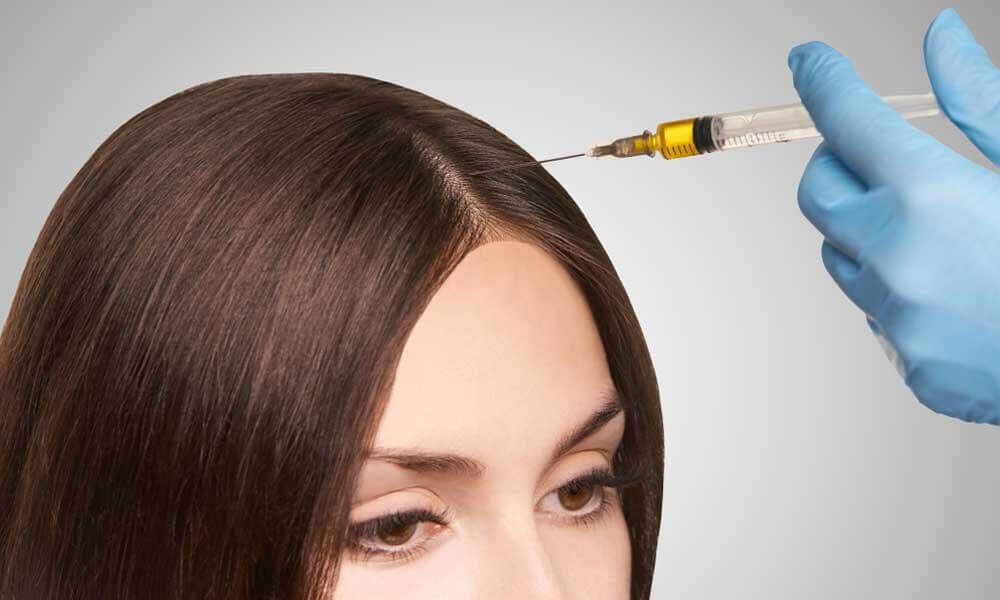
PRP hair treatment in Dubai (https://tajmeels.ae/en/hair-transplant-in-dubai/prp-hair-treatment-abu-dhabi/) is a procedure that uses platelet-rich plasma prepared from the patient’s own blood. The plasma contains growth factors that may support the hair follicles and improve the appearance of thinning hair in appropriate candidates. However, PRP is not automatically suitable for every type or stage of hair loss. A professional assessment helps determine whether it may be appropriate and how treatment should be planned.
Why Hair Loss Assessment Matters Before PRP
A hair loss assessment provides an opportunity to understand what may be contributing to thinning or shedding. A person experiencing temporary shedding may require a different approach from someone with progressive hereditary hair loss.
During an assessment, factors such as the location and pattern of thinning, hair density, scalp condition, duration of hair loss, and previous treatments can be considered. This information helps create a more informed treatment plan rather than applying the same PRP protocol to every patient.
Assessment can also help identify situations where additional medical evaluation may be appropriate. Persistent or sudden hair loss, for example, may have an underlying cause that should be investigated before focusing primarily on cosmetic treatment.
Understanding the Pattern of Hair Loss
The pattern of hair loss can provide useful information when planning treatment. Some people notice gradual thinning around the crown, while others experience a receding hairline or more diffuse thinning throughout the scalp.
A clinician may examine areas with reduced density and compare them with regions where the hair remains stronger. The assessment can help establish a baseline that may also be useful when monitoring changes over time.
Understanding the pattern is particularly relevant for PRP for hair loss, because treatment expectations can differ depending on the condition of the follicles and the stage of hair thinning.
Reviewing Medical and Hair History
A detailed history can provide important context for current hair concerns. Patients may be asked about when the hair loss started, whether it has progressed, and whether close family members have experienced similar concerns.
Previous hair treatments, medications, recent illnesses, significant stress, dietary changes, and scalp symptoms may also be discussed when relevant. This information can help the clinician understand the broader picture instead of evaluating hair density alone.
The goal is not simply to identify how much hair has been lost, but to understand the circumstances surrounding the loss.
Examining the Scalp and Hair Condition
The scalp is an important part of a complete hair assessment. Issues such as irritation, excessive dryness, inflammation, or other scalp concerns may influence the treatment plan.
A clinician may also evaluate the thickness and density of existing hair and look for areas where follicles appear to be producing finer hairs. This examination provides useful information about the current condition of the scalp and hair.
For patients considering PRP hair treatment in Dubai, a proper scalp and hair assessment can help establish realistic expectations about what the procedure may and may not achieve.
Setting Individual Treatment Goals
Every patient can have different goals. One person may be primarily concerned about early thinning, while another may want to address reduced density around a particular area of the scalp.
Discussing these goals before treatment allows the clinician to consider the patient's priorities when developing a plan. Treatment frequency, follow-up appointments, and progress monitoring can then be discussed according to the individual situation.
It is also important to understand that PRP is generally intended to support existing hair rather than instantly restore a full head of hair. Results can vary, and realistic expectations are an important part of responsible treatment planning.
Personalized PRP Planning at Tajmeels Clinic
At Tajmeels clinic (https://tajmeels.ae/en/), the assessment process is approached with attention to each patient's individual hair and scalp concerns. Rather than treating hair loss as a single condition, the clinic considers factors such as the pattern of thinning, hair characteristics, scalp condition, medical background, and treatment objectives.
This information can help the clinical team determine whether PRP may be a suitable option and develop a treatment approach based on the patient's needs. Follow-up assessment can also help evaluate changes over time and determine whether the treatment plan requires adjustment.
A personalized approach is particularly valuable because two people with similar-looking hair loss may have different contributing factors and treatment requirements.
What Patients Can Expect During a Consultation
A consultation generally provides an opportunity to discuss concerns openly and understand the proposed treatment process. Patients can expect questions about their hair loss history and may undergo an examination of the scalp and hair.
The clinician can explain how PRP works, what the treatment involves, potential limitations, expected recovery, and the importance of follow-up care. If additional assessment is considered necessary, this can also be discussed before treatment begins.
Being open about previous treatments, medications, health changes, and the timeline of hair loss can help make the consultation more informative.
Monitoring Progress After Assessment
The initial assessment can serve as a baseline for future comparison. Hair growth is gradual, so monitoring changes over time is important when evaluating any hair restoration treatment.
Progress may be considered through clinical observations and, where appropriate, consistent photographic documentation. Follow-up appointments allow the clinician to review the condition of the scalp and hair and discuss whether the treatment plan remains suitable.
Conclusion
A careful assessment before PRP hair treatment can help identify the pattern and possible contributing factors behind hair loss while supporting realistic treatment expectations. Evaluating the scalp, hair density, medical history, previous treatments, and individual goals allows PRP planning to become more personalized.
For people considering PRP hair treatment in Dubai, Tajmeels Clinic focuses on individualized assessment and treatment planning rather than using a one-size-fits-all approach. A professional consultation can help patients understand their options and make informed decisions about their hair restoration journey.
More Information
Tajmeels Clinic Dubai
WhatsApp: +971 56 203 8751 (https://api.whatsapp.com/send?phone=971562038751&text=%0A%E2%80%AC)
Phone: tel:+971 43739000
Social Media:
Facebook (https://www.facebook.com/people/Tajmeels-Clinic/61592863252149/)
Instagram (https://www.instagram.com/tajmeelsclinic.ae/)
YouTube (https://www.youtube.com/@TajmeelsClinic-wr3ni)
Pinterest (https://www.pinterest.com/tajmeelsclinicae/)
Appreciate the creator