Sustainable Incense Production: Reducing Environmental Impact
Yoga and ayurveda are growing more and more well-liked abroad, which is causing a substantial increase in the exportation of incense sticks (agarbatti) from India. Over 150 nations receive incense sticks from India. According to the All India Agarbathi Producers' Association (AIAMA), which represents more than 800 agarbatti manufacturers nationwide, exports were anticipated to increase by 15% by the end of fiscal 2021. New incense sticks are constantly in demand, which calls for additional energy and resources. And because incense sticks are so tiny, we do not think about how they affect the environment. So, what impact does incense have on the environment, and what steps are being taken to make incense production more sustainable?
In this article, let's understand more about the environmental impact of incense production and the steps being taken to make incense production more sustainable.
Environmental Impact Of Incense Production
As the demand for agarbatti sticks keeps increasing, more and more are being made and imported worldwide. This means for production, more resources and energy are being used.
It can be easily assumed that since incense sticks are primarily made of plant-based materials, they don't have a significant environmental impact. Well, we would have to disagree. You see, renewable resources should still be handled carefully. For instance, wood must always be sourced sustainably as it takes years for trees to grow, ensuring that forests can renew themselves.
It's important to remember that although bamboo and wood may be biodegradable, incense sticks might not be if they are painted or varnished with synthetic materials.
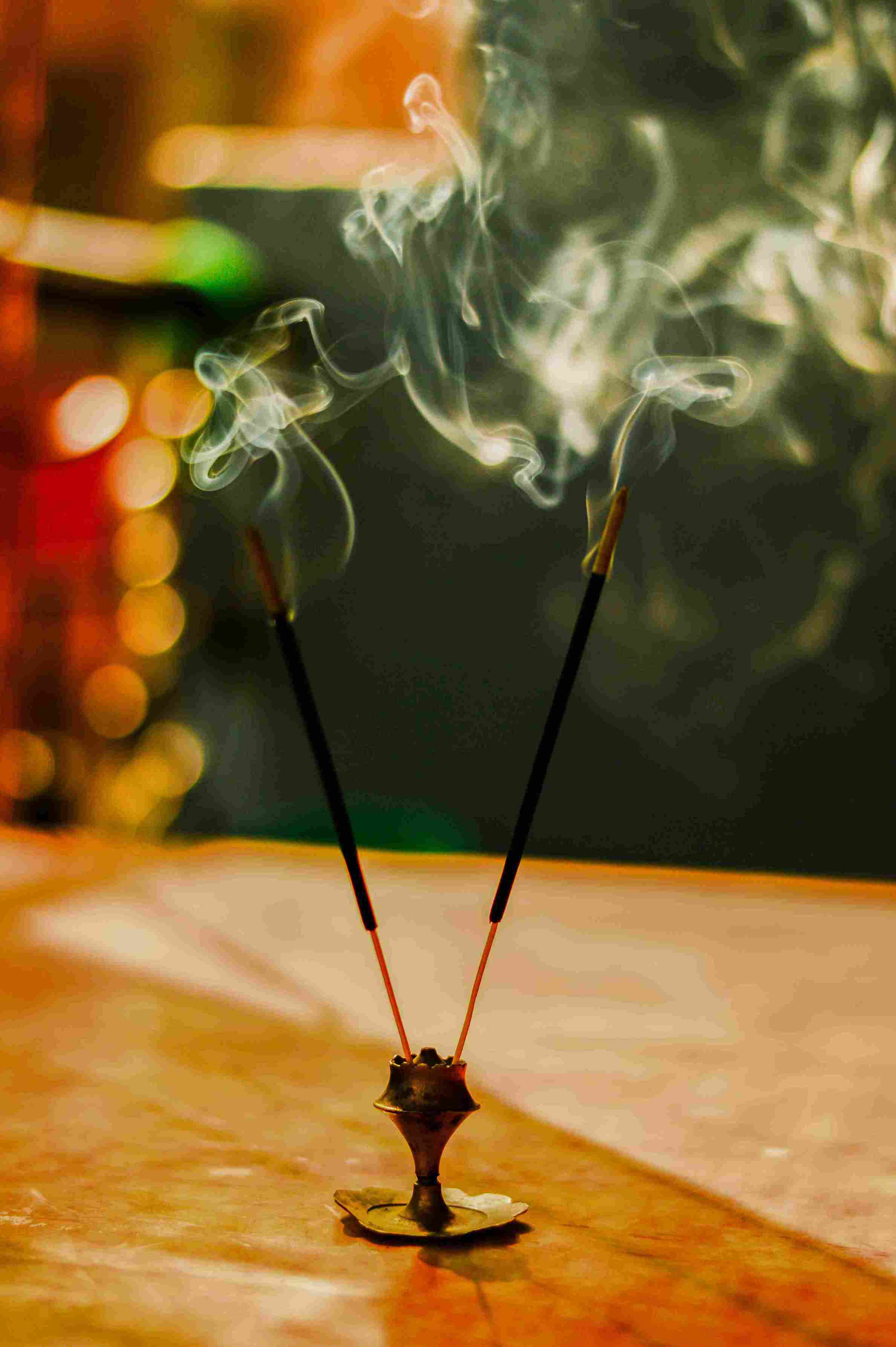
Moreover, incense sticks appear to produce noticeably more smoke, which results in a greater impact. They can also produce benzene, toluene, and other volatile organic compounds such as polycyclic aromatic hydrocarbons, xylenes, and aldehydes.
Air pollution can be caused by incense sticks. According to research, when incense is burned indoors and outdoors, the levels of polycyclic aromatic hydrocarbons are 27 times higher than they are outside. While burning a stick of incense for a few minutes won't make much of a difference, burning many sticks of incense indoors with limited ventilation will significantly lower the quality of the air. Incense sticks may be safer if calcium carbonate is added, according to research, because it can lessen the quantity of particulate matter produced.
Steps Being Taken To Make Incense Production More Sustainable
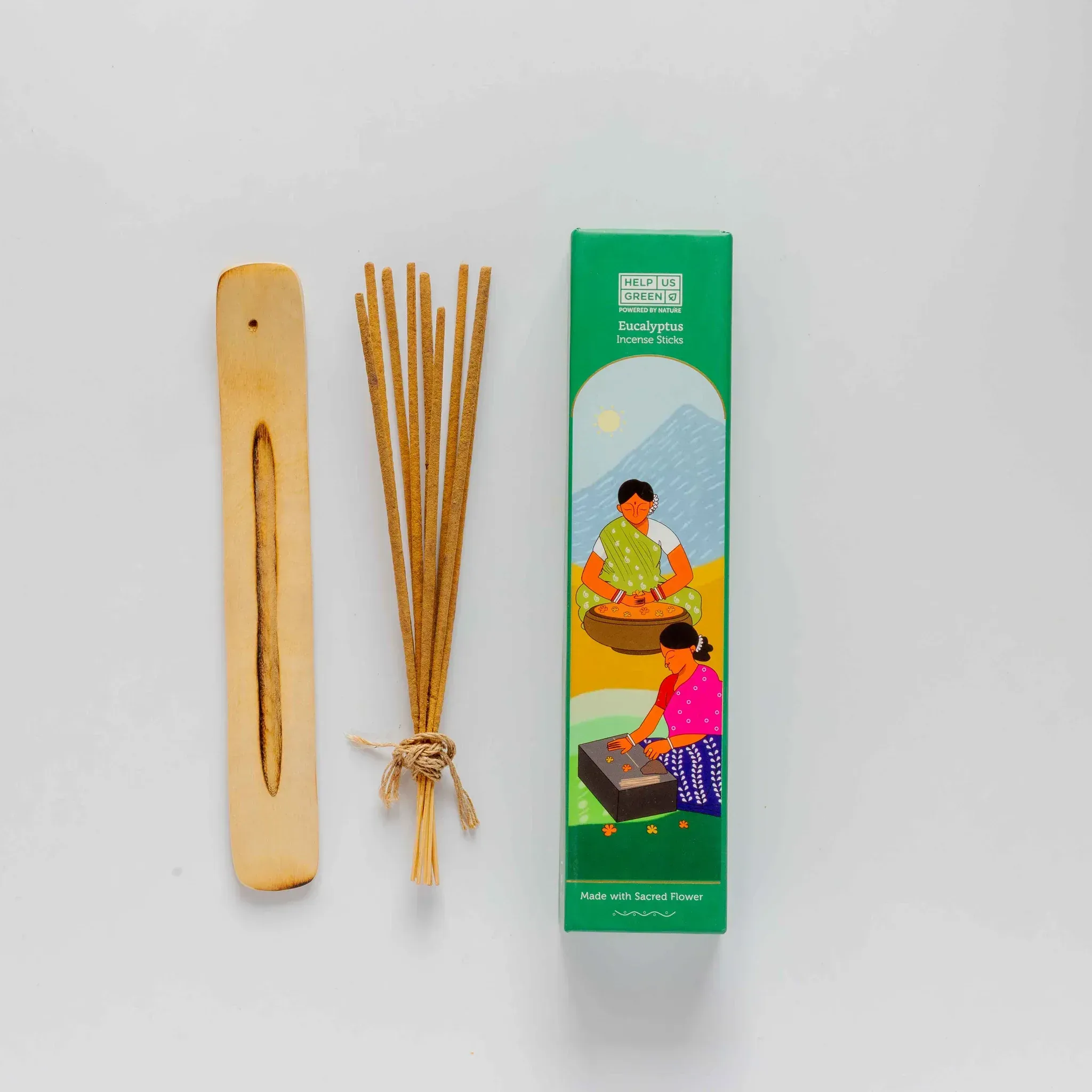
Burning sustainable incense can help you ground yourself when you're experiencing stress and create a warm and inviting environment in your home. However, as it has its negative impact as well, many companies, such as Help Us Green, has made it their mission to produce more sustainable natural incense sticks by when Karan Rastogi and Ankit Agarwal saw how people would bring flowers to temples and how, at the end of the day, those flowers would end up in the already polluted Ganges River and other bodies of water, they set out on a quest to find a way to prevent flower waste from polluting the water around Kanpur's temples. Help Us Green was born out of their desire to do good as well as make a difference.
Agarwal and Rastogi tackled the task of developing a long-term business plan to aid in trash removal. The plan was to make an eco-friendly product out of waste. And as a result of their hard work and research, Help Us Green launched a line of bio fertilisers & incense sticks made completely by hand from the river's flower waste.
At present, the company employs 128 people in Kanpur, as well as groups of men & women who collect flowers and trash to make these products. Rose and marigold flowers are used to make incense sticks, while all other biodegradable waste is composted. Flowers that would otherwise be discarded are collected, dried, and rolled to make incense sticks. To date, they have collected and recycled nearly 435 metric tonnes of flowers from 29 religious sites in Kanpur.
As you can see, there are many people in India who are doing their part in making the world a safer place to live in. The steps taken by Karan Rastogi and Ankit Agarwal, owners of Help Us Green, are prime examples of how incense production can be more sustainable.
Conclusion
People often turn to incense sticks for comfort, whether for spiritual reasons or simply to improve the scent of their home. If you're seeking ways to relax or de-stress, then lighting up an incense stick could be the answer. Just remember to take every precaution when using them and ensure that you use a sustainable and natural incense stick to help protect the environment. Even a tiny step is still a step toward a better tomorrow.
We hope this article helps you in getting an insight into the environmental impact of incense production and the steps you could take to make incense production more sustainable.
Appreciate the creator