Struggling to Conceive? When Should You Visit an IVF Doctor in Delhi
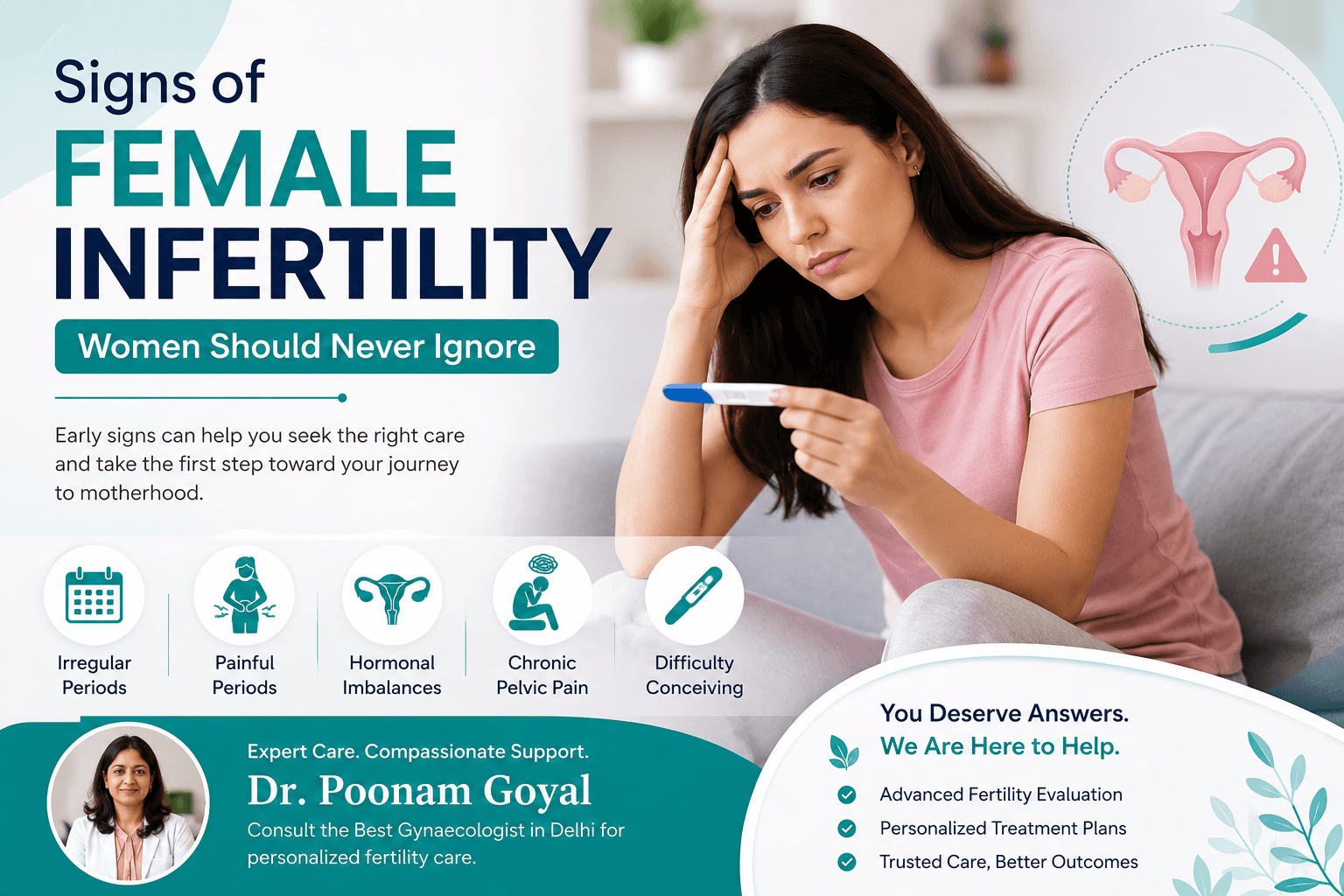
For many couples, starting a family is one of life’s most meaningful milestones. While some couples conceive naturally within a few months, others may face unexpected challenges along the way. The emotional stress of trying to conceive without success can be overwhelming, leaving couples with questions about what steps to take next.
The good news is that modern fertility treatments have helped millions of couples achieve their dream of parenthood. One of the most important decisions in this journey is knowing when to seek professional help. Consulting an experienced IVF Doctor in Delhi at the right time can significantly improve your chances of identifying fertility issues early and receiving the most effective treatment.
If you have been struggling to conceive, understanding the signs that indicate it’s time to visit a fertility specialist can help you move forward with confidence and clarity.
Understanding Infertility
Infertility is generally defined as the inability to achieve pregnancy after one year of regular, unprotected intercourse. For women over the age of 35, fertility experts typically recommend seeking medical evaluation after six months of trying to conceive.
Infertility can affect both men and women, and in many cases, multiple factors contribute to conception difficulties.
Common causes include:
Ovulation disorders
Hormonal imbalances
Blocked fallopian tubes
Endometriosis
Uterine abnormalities
Male fertility issues
Age-related fertility decline
Early diagnosis often improves treatment outcomes and helps couples explore the most suitable fertility options.
When Should You Visit an IVF Doctor?
Many couples wait too long before seeking professional guidance. Recognizing the warning signs can help prevent unnecessary delays in treatment.
You Have Been Trying for Over a Year
One of the clearest signs that you should consult an IVF Doctor in Delhi is if you have been trying to conceive for more than 12 months without success.
Pregnancy is influenced by numerous biological factors, and persistent difficulty conceiving may indicate an underlying reproductive issue that requires medical evaluation.
You Are Over 35 and Unable to Conceive
Female fertility naturally declines with age, particularly after 35.
As women grow older:
Egg Quality Decreases
The likelihood of chromosomal abnormalities increases.
Ovarian Reserve Declines
The number of available eggs gradually reduces.
Pregnancy Risks Increase
Age-related complications may affect conception and pregnancy outcomes.
For women above 35, fertility assessment should not be delayed if pregnancy has not occurred within six months.
Irregular or Absent Menstrual Cycles
Regular ovulation is essential for conception.
If you experience:
Irregular periods
Very long menstrual cycles
Missed periods
Unpredictable ovulation
You may have an ovulation disorder that affects fertility.
Conditions such as Polycystic Ovary Syndrome (PCOS) and hormonal imbalances often contribute to menstrual irregularities and may require specialized treatment.
Recurrent Miscarriages
Experiencing multiple miscarriages can be emotionally devastating.
Repeated pregnancy loss may be linked to:
Genetic Factors
Chromosomal abnormalities can affect embryo development.
Hormonal Disorders
Hormonal imbalances may interfere with pregnancy maintenance.
Uterine Abnormalities
Structural issues within the uterus can increase miscarriage risk.
A fertility specialist can perform detailed investigations to identify potential causes and recommend appropriate treatment.
Diagnosed Reproductive Health Conditions
Certain medical conditions are known to affect fertility.
Examples include:
Endometriosis
Tissue similar to the uterine lining grows outside the uterus and may interfere with fertility.
Fibroids
Large fibroids can affect implantation and pregnancy.
Pelvic Inflammatory Disease
Infections can damage reproductive organs and reduce fertility.
Women diagnosed with these conditions should consider early consultation with an infertility specialist.
Male Fertility Concerns
Infertility is not solely a female issue.
Male factors contribute to a significant percentage of infertility cases.
Common concerns include:
Low sperm count
Poor sperm motility
Abnormal sperm morphology
Hormonal imbalances
An experienced Infertility specialist in Delhi will typically evaluate both partners to ensure all contributing factors are identified and addressed.
Previous Fertility Treatments Have Failed
Some couples may have already tried:
Ovulation induction
Fertility medications
Intrauterine insemination (IUI)
If these treatments have not resulted in pregnancy, consulting an IVF specialist can help determine whether advanced fertility treatments may be more appropriate.
Why Early Fertility Evaluation Matters
Delaying fertility assessment can reduce treatment effectiveness, particularly as age increases.
Benefits of early consultation include:
Faster Diagnosis
Underlying fertility issues can be identified sooner.
Personalized Treatment Plans
Every couple receives a strategy tailored to their specific needs.
Better Treatment Outcomes
Early intervention often improves pregnancy success rates.
Reduced Emotional Stress
Having a clear treatment plan can help reduce uncertainty and anxiety.
What Happens During Your First Fertility Consultation?
Many couples feel nervous about their first fertility appointment.
Typically, the fertility specialist will:
Review Medical History
Previous pregnancies, menstrual history, and health conditions are discussed.
Conduct Fertility Testing
Tests may include hormone analysis, ultrasound scans, semen analysis, and other diagnostic evaluations.
Assess Reproductive Health
A comprehensive review helps identify possible fertility barriers.
Discuss Treatment Options
Based on findings, personalized recommendations are provided.
How Dr. Poonam Goyal Can Help
Choosing the right fertility expert is a crucial step toward successful treatment.
Dr. Poonam Goyal is known for providing compassionate and patient-centered reproductive care. She focuses on comprehensive fertility evaluations, evidence-based treatments, and personalized solutions designed to meet each couple’s unique needs.
Her approach emphasizes clear communication, thorough diagnosis, and supportive guidance throughout every stage of the fertility journey.
For couples seeking expert fertility care, Dr. Poonam Goyal offers the experience and dedication necessary to help navigate infertility challenges effectively.
Finding the Best IVF Doctor in Delhi
Selecting the Best IVF doctor in Delhi requires careful consideration.
Look for:
Extensive Fertility Experience
Experienced specialists can better manage complex fertility cases.
Advanced Diagnostic Facilities
Modern testing improves diagnostic accuracy.
Personalized Treatment Plans
Individualized care often leads to better outcomes.
Positive Patient Reviews
Patient experiences can provide valuable insights into the quality of care.
Transparent Communication
Trustworthy specialists explain procedures, expectations, and treatment options clearly.
The Role of an Infertility Specialist in Delhi
An experienced Infertility specialist in Delhi plays a vital role in identifying fertility challenges and developing targeted treatment plans.
Their responsibilities include:
Diagnosing fertility issues
Conducting advanced testing
Recommending fertility treatments
Monitoring treatment progress
Providing emotional support throughout the journey
Early consultation can often prevent years of uncertainty and frustration.
Conclusion
Struggling to conceive can be emotionally challenging, but you do not have to navigate the journey alone. Knowing when to seek professional help is one of the most important decisions couples can make.
If you have been trying to conceive without success, experiencing irregular cycles, dealing with recurrent miscarriages, or facing diagnosed reproductive conditions, it may be time to consult an experienced IVF Doctor in Delhi.
With expert guidance from professionals such as Dr. Poonam Goyal, couples can gain a better understanding of their fertility health and access personalized treatment options designed to improve their chances of achieving a successful pregnancy.
Frequently Asked Questions (FAQs)
When should I visit an IVF doctor?
You should consult an IVF doctor if you have been trying to conceive for one year without success, or six months if you are over 35.
Can an IVF doctor help even if I am not planning IVF?
Yes. Fertility specialists diagnose reproductive issues and recommend the most appropriate treatment, which may not necessarily involve IVF.
Should both partners undergo fertility testing?
Yes. Fertility challenges can affect both men and women, so evaluating both partners is important.
How do I choose the Best IVF doctor in Delhi?
Look for experience, advanced facilities, personalized care, positive patient feedback, and transparent communication.
What does an Infertility specialist in Delhi do?
An infertility specialist diagnoses fertility problems, recommends treatments, monitors progress, and supports couples throughout their fertility journey.
Appreciate the creator