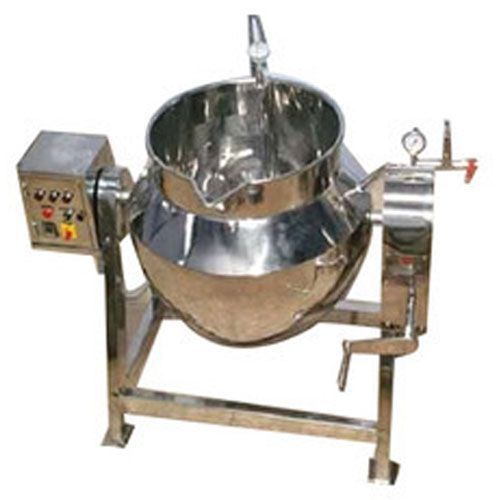
Streamlining Mixing With Binder Preparation Vessels
In various industries, efficient and precise mixing of raw materials and binders is crucial for achieving high-quality products. A binder preparation vessel serves as a reliable and essential component in this process, facilitating the uniform blending of materials to meet specific requirements. In this article, we will explore the functionalities, applications, and considerations associated with binder preparation vessels, shedding light on their significance in diverse manufacturing sectors.
Introduction
A binder preparation vessel, also known as a mixing vessel, is a specialized equipment used in numerous industries to combine raw materials with binders to create a homogeneous mixture. The vessel's design and configuration allow for efficient blending of solid and liquid components, ensuring the formation of a consistent product. The use of binder preparation vessels is prevalent in industries such as pharmaceuticals, chemicals, and food processing, where precise and controlled mixing is vital for product quality and integrity.
Types of Binder Preparation Vessels
Binder preparation vessels come in various types, each catering to specific industry needs. The selection of the vessel depends on factors such as the type and quantity of materials to be mixed, the desired end product, and process requirements. Some common types of binder preparation vessels include:
Vertical Binder Preparation Vessels: These vessels have a vertical orientation and are suitable for applications requiring high-speed mixing and homogenization. They offer excellent heat transfer capabilities and are often used for heat-sensitive materials.
Horizontal Binder Preparation Vessels: With a horizontal configuration, these vessels provide effective mixing and blending for a wide range of materials. They are particularly useful for applications where continuous production or large-scale mixing is required.
Jacketed Binder Preparation Vessels: These vessels feature an outer jacket that allows for temperature control during the mixing process. The jacket can be heated or cooled, enabling precise regulation of the mixture's temperature, essential for certain applications.
Vacuum Binder Preparation Vessels: Vacuum vessels are designed to operate under reduced pressure, removing air bubbles and facilitating better dispersion of materials. They are commonly used in industries where air entrapment is undesirable, such as pharmaceutical and chemical manufacturing.
Components of a Binder Preparation Vessel
A binder preparation vessel consists of several essential components, each contributing to the efficient operation and control of the mixing process. These components include:
Mixing Mechanism and Motor: The mixing mechanism, typically a specially designed agitator or impeller, ensures proper blending of the raw materials and binder. It is driven by a motor that provides the necessary power and speed for the mixing process.
Heating and Cooling Systems: Many binder preparation vessels incorporate heating and cooling systems to maintain the desired temperature during mixing. This feature is crucial for applications where temperature control is essential for product stability and consistency.
Control Panel and Monitoring Devices: A control panel allows operators to regulate the mixing parameters, such as motor speed, temperature, and mixing time. Monitoring devices, such as temperature sensors and pressure gauges, provide real-time feedback, ensuring optimal process conditions.
Safety Features: Binder preparation vessels are equipped with various safety features to protect operators and prevent accidents. These features may include emergency stop buttons, interlocks, and alarms for abnormal conditions such as high temperature or pressure.
Working Principle of a Binder Preparation Vessel
The operation of a binder preparation vessel involves a series of steps that ensure thorough mixing and blending of the raw materials and binders. The typical working principle can be outlined as follows:
Loading of Raw Materials and Binder: The vessel is charged with the required amount of raw materials and the binder, following the prescribed formulation or recipe. Careful measurement and accurate dosing are essential to achieve the desired mixture composition.
Mixing and Blending Process: Once the materials are loaded, the mixing mechanism is activated. The agitator or impeller rotates at a controlled speed, creating a turbulent flow that promotes the dispersion and homogenization of the components. The duration of the mixing process depends on the specific application and desired product properties.
Temperature Control and Adjustment: During the mixing process, the temperature of the mixture is closely monitored and controlled. The heating or cooling system, integrated into the vessel, helps maintain the desired temperature range, ensuring optimal product quality and consistency.
The continuous blending action of the binder preparation vessel ensures a uniform distribution of the binder throughout the mixture, resulting in a homogenous product ready for further processing.
Applications of Binder Preparation Vessels
Binder preparation vessels find extensive application in various industries, playing a critical role in the production of a wide range of products. Some notable applications include:
Pharmaceutical Industry: In pharmaceutical manufacturing, binder preparation vessels are used to mix active pharmaceutical ingredients (APIs) with excipients to create tablets, capsules, or other dosage forms. The vessels ensure uniform distribution of the API, enhancing drug efficacy and patient safety.
Chemical Industry: Binder preparation vessels find utility in the chemical industry for blending raw materials, catalysts, and solvents. The vessels facilitate the production of chemical compounds, ensuring consistent composition and properties.
Food Processing Industry: In the food industry, binder preparation vessels are employed for mixing ingredients in the production of sauces, dressings, and other food products. They ensure proper emulsification and homogenization, resulting in uniform texture and taste.
Factors to Consider When Choosing a Binder Preparation Vessel
When selecting a binder preparation vessel for a specific application, several factors should be taken into account:
Capacity and Volume Requirements: The vessel's capacity should match the desired batch size or production volume. It is crucial to ensure that the vessel can accommodate the necessary quantity of materials without compromising the mixing efficiency.
Material Compatibility: The vessel's construction materials should be compatible with the raw materials and binder being used. Considerations such as corrosion resistance, inertness, and hygienic properties are essential, particularly in industries like pharmaceuticals and food processing.
Cleaning and Maintenance Considerations: Easy accessibility for cleaning and maintenance is crucial to avoid cross-contamination and ensure product quality. Vessels with features such as smooth interior surfaces, easy disassembly, and effective cleaning-in-place (CIP) systems simplify the maintenance process.
Safety Features and Certifications: It is important to select a binder preparation vessel that complies with relevant safety standards and regulations. Look for vessels equipped with safety interlocks, pressure relief devices, and certifications such as CE or ISO to ensure operator safety and process reliability.
Maintenance and Troubleshooting of Binder Preparation Vessels
To ensure optimal performance and longevity of a binder preparation vessel, regular maintenance is necessary. Some key maintenance procedures include:
Cleaning and Sanitization: Thorough cleaning of the vessel after each batch is essential to prevent cross-contamination and maintain product quality. Proper sanitization procedures should be followed, and CIP systems can simplify the cleaning process.
Inspection and Lubrication: Regular inspection of the vessel's components, such as the agitator, motor, and seals, helps identify any wear or damage. Lubrication of moving parts ensures smooth operation and reduces friction.
Calibration and Adjustment: Periodic calibration of temperature sensors, pressure gauges, and control systems helps maintain accurate process conditions. Any necessary adjustments should be made to ensure consistent mixing performance.
In case of any issues or anomalies during operation, troubleshooting may be required. Common problems include motor failure, leakage, or temperature fluctuations. It is crucial to consult the manufacturer's guidelines and seek professional assistance when necessary.
Future Trends and Innovations in Binder Preparation Vessels
As technology continues to advance, several trends and innovations are shaping the future of binder preparation vessels:
Advances in Automation and Process Control: Automation systems, including programmable logic controllers (PLCs) and advanced process control (APC), are being integrated into binder preparation vessels. These technologies enable precise control, real-time monitoring, and data logging, enhancing process efficiency and reproducibility.
Integration of IoT and Smart Technologies: The integration of the Internet of Things (IoT) allows for remote monitoring and control of binder preparation vessels. Smart sensors and connectivity enable operators to access real-time data, detect anomalies, and optimize process parameters for improved productivity.
Potential Improvements in Efficiency and Productivity: Ongoing research and development aim to enhance the overall efficiency and productivity of binder preparation vessels. Innovations such as improved impeller designs, optimized mixing algorithms, and energy-efficient heating/cooling systems hold promise for increased throughput and reduced processing times.
These advancements are expected to further streamline the mixing process, enhance product quality, and reduce manufacturing costs in various industries.
Conclusion
Binder preparation vessels play a vital role in achieving precise and efficient mixing of raw materials and binders in diverse industries. Their ability to create homogeneous mixtures with uniform composition is crucial for producing high-quality products. By understanding the different types, components, working principles, and applications of binder preparation vessels, industries can make informed decisions when selecting the appropriate equipment for their specific needs. Regular maintenance and adherence to safety guidelines ensure optimal performance and longevity of these vessels, contributing to successful manufacturing processes.
FAQs
What is the role of a binder preparation vessel in the pharmaceutical industry?
A binder preparation vessel is used in the pharmaceutical industry to mix active pharmaceutical ingredients (APIs) with excipients, ensuring uniform distribution and precise dosing for tablet or capsule manufacturing.
Can binder preparation vessels handle both solid and liquid binders?
Yes, binder preparation vessels are designed to handle a variety of binders, including both solid and liquid forms. Their versatility allows for the blending of different types of binders with raw materials.
Are binder preparation vessels customizable according to specific requirements?
Yes, many manufacturers offer customization options for binder preparation vessels to meet specific industry and process requirements. This includes vessel size, material compatibility, mixing mechanism, and additional features.
How often should a binder preparation vessel be cleaned?
Binder preparation vessels should be cleaned thoroughly after each batch to prevent cross-contamination and ensure product quality. Regular cleaning and sanitization are crucial, particularly in industries with strict hygiene standards.
Are there any safety considerations when operating a binder preparation vessel?
Yes, safety is paramount when operating a binder preparation vessel. It is essential to follow safety guidelines, use appropriate personal protective equipment, and ensure the vessel is equipped with safety features such as interlocks, alarms, and pressure relief devices.
Appreciate the creator