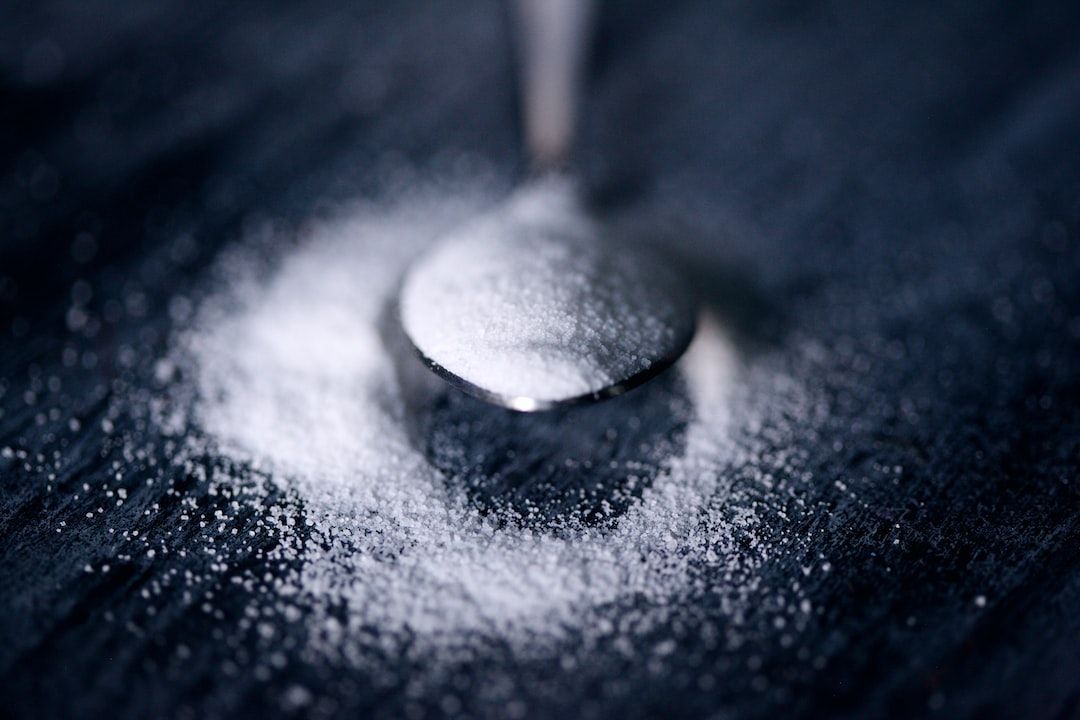
Stevia: A Natural Sweetener Revolutionizing the Food Industry
In recent years, there has been a growing interest in natural sweeteners as consumers become increasingly health-conscious and seek alternatives to traditional sugar. Among the various options available, stevia has emerged as a popular choice. Stevia, scientifically known as Stevia rebaudiana Bertoni, is a plant native to South America and has been used for centuries by indigenous communities as a natural sweetener and medicinal herb. This remarkable plant possesses unique properties that make it an attractive substitute for sugar in food and beverage products. In this article, we will explore the history, cultivation, health benefits, and applications of stevia, shedding light on its role in revolutionizing the food industry.
Historical Background: Stevia has a rich history that dates back to the indigenous tribes of South America, who used the leaves of the stevia plant to sweeten foods and drinks, as well as for medicinal purposes. It was discovered by the Swiss botanist Moisés Santiago Bertoni in the late 19th century and gained popularity as a natural sweetener in Japan during World War II when sugar was scarce. Over the years, extensive research has been conducted to understand the composition and properties of stevia, leading to its global recognition as a safe and natural alternative to sugar.
Cultivation and Production: Stevia is primarily cultivated in regions with a warm and humid climate, such as Paraguay, Brazil, China, and Kenya. The plant requires well-drained soil and can be grown from seeds or cuttings. It reaches its peak sweetness when the leaves are harvested before the flowering stage. The extraction process involves crushing the leaves, steeping them in water, and separating the sweet compounds through filtration and purification. The resulting extracts are highly concentrated and can be further processed into different forms, including powdered stevia, liquid extracts, and stevia-based sweeteners.
Natural Sweetness without Calories: One of the most significant advantages of stevia is its intense sweetness without the added calories. The sweet taste is attributed to two main compounds present in the stevia leaves, namely stevioside and rebaudioside A. These compounds are estimated to be up to 350 times sweeter than sucrose (table sugar), which means only a tiny amount is required to achieve the desired level of sweetness. Unlike sugar, stevia has a minimal impact on blood sugar levels, making it an excellent choice for individuals with diabetes or those following a low-calorie or low-carbohydrate diet.
Health Benefits and Safety: Stevia not only provides a low-calorie alternative to sugar but also offers several potential health benefits. Research suggests that stevia extracts may have anti-inflammatory, antioxidant, and antimicrobial properties. They have been investigated for their potential role in managing conditions such as obesity, hypertension, and diabetes. Moreover, stevia has a negligible impact on dental health, as it does not contribute to tooth decay. It is also non-carcinogenic, unlike certain artificial sweeteners, and has been approved as safe for consumption by numerous regulatory authorities worldwide, including the U.S. Food and Drug Administration (FDA) and the European Food Safety Authority (EFSA).
Applications in the Food Industry: The food and beverage industry has embraced stevia as a natural sweetener, leading to an extensive range of products hitting the market. Stevia is used in various food and beverage formulations, including soft drinks, dairy products, baked goods, confectionery, sauces, and dressings. It provides manufacturers with the opportunity to reduce sugar content while maintaining the desired sweetness and taste profile. The versatility of stevia allows it to be blended with other sweeteners or natural flavors to achieve the desired sensory experience. Additionally, consumers are increasingly demanding clean label products, and stevia aligns with this trend as it is a plant-based, natural ingredient.
Consumer Perception and Acceptance: The acceptance of stevia among consumers has been steadily increasing as people become more health-conscious and seek healthier alternatives to sugar. Stevia has gained recognition as a natural sweetener with no known adverse effects on health. Its ability to provide sweetness without the extra calories and its low glycemic index make it an appealing option for individuals looking to reduce their sugar intake or manage conditions such as diabetes. As consumer awareness grows, the demand for stevia-based products is expected to continue rising.
Challenges and Future Outlook: While stevia has gained significant popularity, there are still some challenges that need to be addressed. One of the main obstacles is its bitter aftertaste, which can vary depending on the brand and formulation. However, advances in stevia extraction and purification techniques are continuously improving the taste profile, reducing the bitter notes and enhancing the overall sweetness. Another challenge lies in the cost of production, as stevia extracts are currently more expensive than traditional sugar. However, as technology and cultivation practices evolve, it is anticipated that the cost will decrease, making stevia more accessible to a wider consumer base.
Looking ahead, the future of stevia appears promising. As the demand for natural, healthier alternatives to sugar continues to grow, stevia is poised to play a pivotal role in the food industry. With ongoing research and development efforts, the taste, quality, and cost-effectiveness of stevia-based sweeteners are expected to improve, further expanding their applications in a wide range of food and beverage products. Additionally, as more consumers embrace the benefits of stevia and governments promote healthier dietary choices, the regulatory landscape is likely to become more favorable, providing additional opportunities for stevia's incorporation into various food and beverage formulations.
Stevia, the natural sweetener derived from the Stevia rebaudiana plant, has emerged as a game-changer in the food industry. With its intense sweetness, minimal impact on blood sugar levels, and negligible calories, stevia offers a healthier alternative to traditional sugar. Its potential health benefits, safety profile, and widespread acceptance among consumers have positioned it as a key player in the quest for healthier, cleaner label products. While challenges remain, ongoing research and advancements in cultivation and extraction techniques are expected to address these issues and pave the way for a future where stevia becomes a staple in the global food and beverage market. As we continue to prioritize health and wellness, stevia's natural sweetness is set to revolutionize the way we enjoy our favorite foods and drinks.
Appreciate the creator