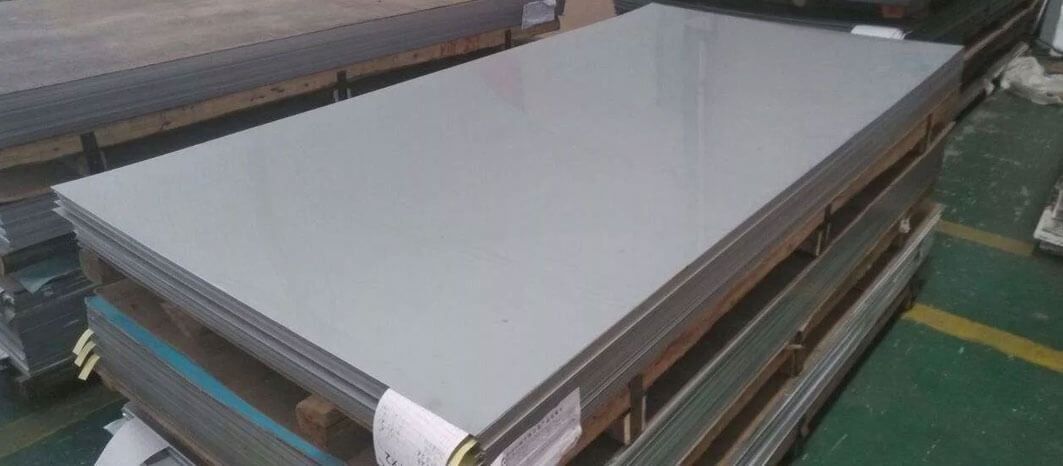
Stainless Steel 316L Sheets: Corrosion-Resistant Versatility for Modern Applications
Stainless Steel 316L sheets have become a cornerstone material across multiple industries due to their outstanding resistance to corrosion, exceptional mechanical properties, and excellent formability. As a low-carbon version of the austenitic stainless steel 316 alloy, 316L enhances weldability and minimizes the risk of carbide precipitation during welding, making it a prime choice for critical engineering and construction applications.
Introduction to Stainless Steel 316L
Stainless Steel 316L is a low-carbon variant of the 316 stainless steel alloy, primarily composed of chromium (16–18%), nickel (10–14%), and molybdenum (2–3%). The addition of molybdenum significantly increases corrosion resistance, especially against chlorides and other industrial solvents. The "L" in 316L denotes "low carbon," typically containing less than 0.03% carbon, which helps prevent intergranular corrosion after welding.
316L stainless steel sheets are widely available in hot rolled, cold rolled, and annealed forms, catering to different industrial needs. These sheets are often selected for environments that require high hygiene standards, durability, and resistance to harsh chemicals or marine exposure.
Key Features of Stainless Steel 316L Sheets
Superior Corrosion Resistance
One of the most notable characteristics of 316L stainless steel sheets is their outstanding resistance to pitting and crevice corrosion, especially in chloride-rich environments. This makes them ideal for marine, coastal, and chemical processing applications.Excellent Weldability
Due to its low carbon content, 316L offers superior weldability compared to 316 stainless steel. The risk of carbide precipitation—leading to corrosion along weld lines—is minimized, allowing for strong, durable welds in high-performance environments.High Temperature & Pressure Resistance
316L sheets retain strength and oxidation resistance even at elevated temperatures. This property allows their use in heat exchangers, pressure vessels, and boiler components.Non-Magnetic & Hygienic Surface
316L stainless steel is generally non-magnetic in its annealed state. Its smooth, easy-to-clean surface meets hygiene requirements in food, medical, and pharmaceutical environments.Impressive Mechanical Properties
Stainless Steel 316L sheets offer good tensile strength (around 485 MPa minimum), excellent elongation, and ductility. These features make them suitable for forming, bending, and drawing operations.
Applications of Stainless Steel 316L Sheets
Thanks to their unique combination of properties, 316L stainless steel sheets are used in a wide range of demanding applications:
Marine Equipment: From shipbuilding to underwater pipelines, 316L sheets are used where saltwater exposure is prevalent. Their resistance to chloride-induced corrosion is crucial in such settings.
Chemical & Petrochemical Industry: These sheets are ideal for storage tanks, chemical transport containers, and process equipment handling aggressive chemicals like acids, alkalis, and chlorides.
Medical Devices & Implants: Due to their biocompatibility and resistance to bodily fluids, 316L sheets are widely used in surgical instruments, orthopedic implants, and hospital equipment.
Food Processing & Pharmaceuticals: The hygienic surface and ease of sterilization make 316L a preferred material for tables, hoppers, conveyors, and storage vessels in sterile environments.
Architecture & Construction: For exterior cladding, roofing, or facades in coastal regions, 316L sheets offer both durability and aesthetic appeal. Their resistance to atmospheric corrosion adds to structural longevity.
Heat Exchangers & Boilers: The high temperature tolerance of 316L makes it suitable for components exposed to constant heat and pressure cycles.
Advantages Over Other Stainless Steel Grades
When compared to 304 or other lower-grade stainless steels, 316L sheets clearly stand out in specific areas:
Chloride Resistance: 304 stainless steel is more vulnerable to pitting when exposed to salty or chlorinated environments. 316L’s molybdenum content provides superior defense in such conditions.
Long-Term Reliability: The low carbon content of 316L ensures long-term resistance to intergranular corrosion, especially after welding or forming operations.
Better for Harsh Industrial Environments: Whether it's chemical processing or marine applications, 316L lasts longer and performs better than 304 in aggressive settings.
Available Finishes and Sizes
316L stainless steel sheets are available in a wide range of thicknesses and finishes to suit various end-use applications:
2B Finish – Smooth, matte finish ideal for industrial use.
BA (Bright Annealed) Finish – Reflective surface used in architecture or kitchen equipment.
No. 4 Finish – Brushed finish often used in decorative applications.
Mirror Finish – High-gloss surface perfect for aesthetics-focused applications.
Standard sizes include 4' x 8', 5' x 10', and custom cuts, with thicknesses ranging from 0.3mm up to 50mm or more.
Maintenance and Fabrication Tips
Though highly corrosion-resistant, 316L stainless steel sheets still require proper maintenance to preserve their longevity. Regular cleaning using mild detergent and water, along with rinsing and drying, helps retain their appearance and functionality. When welding, use low-heat input and ensure proper shielding gases to avoid contamination. Fabricators must also ensure the use of clean tools to prevent cross-contamination from carbon steel.
Conclusion
Stainless Steel 316L sheets combine mechanical strength, corrosion resistance, and formability to meet the demands of modern industrial and architectural environments. Their adaptability to both aggressive chemical settings and aesthetic applications makes them one of the most versatile stainless steel sheet options available today. Whether you're constructing a seawater desalination plant or designing high-end kitchen appliances, 316L provides unmatched reliability and performance. Investing in this alloy ensures long-lasting, maintenance-friendly solutions for both structural and functional applications.
Appreciate the creator