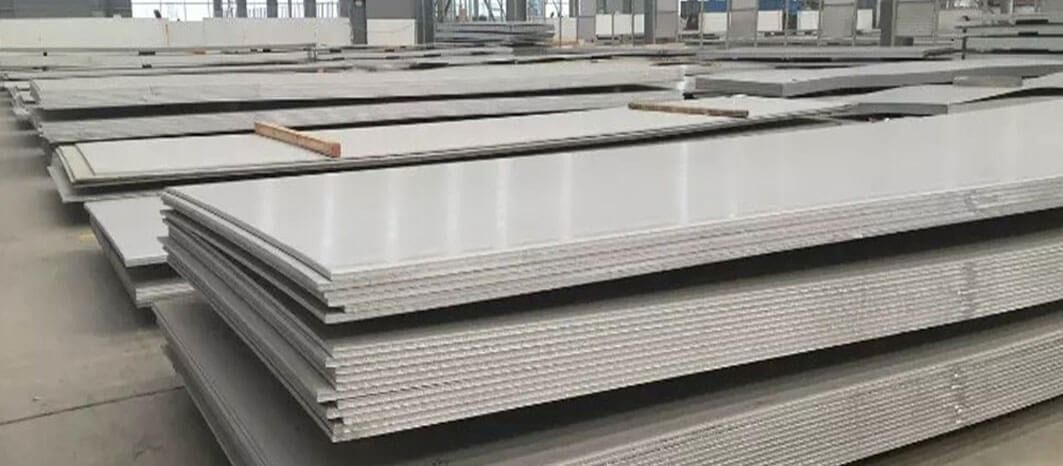
Stainless Steel 316 Sheets: The Ultimate Choice for Corrosion Resistance
Stainless Steel 316 Sheets are widely recognized for their excellent corrosion resistance, strength, and durability. As one of the most commonly used grades of stainless steel, 316 offers superior performance in harsh environments, especially those involving exposure to saltwater, chemicals, or acidic conditions. Its balanced mechanical properties and chemical composition make it ideal for a broad range of industries—from marine and pharmaceutical to food processing and chemical manufacturing.
In this blog, we’ll explore the key features, benefits, and applications of Stainless Steel 316 Sheets and explain why this alloy remains a preferred choice for both industrial and architectural use.
Overview of Stainless Steel 316
Stainless Steel 316 is an austenitic chromium-nickel stainless steel that also contains 2–3% molybdenum. This additional molybdenum content significantly enhances the alloy’s resistance to corrosion—especially against chlorides and other industrial solvents. The presence of nickel and chromium provides overall corrosion resistance and stability at high temperatures.
The 316 grade comes in various forms, including sheets, plates, pipes, and bars, but 316 Sheets are particularly popular due to their versatility in fabrication and wide availability in multiple thicknesses, finishes, and dimensions.
Key Features of Stainless Steel 316 Sheets
Outstanding Corrosion Resistance
The biggest advantage of 316 stainless steel is its superior resistance to corrosion. It performs exceptionally well in marine and saline environments, making it ideal for offshore and coastal applications.Excellent Weldability and Formability
316 Sheets can be easily welded and formed without cracking or losing strength. This makes them ideal for fabricating tanks, vessels, and other custom parts.High Temperature and Pressure Resistance
These sheets can withstand elevated temperatures and pressures, maintaining mechanical integrity in tough operating conditions.Hygienic and Non-Reactive Surface
Due to its non-reactive properties, 316 stainless steel is a popular choice in food processing, pharmaceuticals, and medical equipment manufacturing.Attractive Appearance and Finish Options
Stainless Steel 316 Sheets are available in several finishes—2B, No. 4 (brushed), BA (bright annealed), and mirror polish—making them ideal for decorative as well as functional applications.
Applications of Stainless Steel 316 Sheets
Thanks to its combination of corrosion resistance, strength, and versatility, Stainless Steel 316 Sheets are used across a wide range of industries:
Marine Industry
Ideal for boat fittings, marine hardware, and components exposed to saltwater.Chemical and Petrochemical Plants
Used in storage tanks, heat exchangers, and processing equipment exposed to corrosive chemicals.Pharmaceutical and Food Processing
Commonly used for hygienic surfaces such as countertops, conveyor systems, tanks, and sterilization equipment.Construction and Architecture
Utilized in cladding, handrails, facades, and decorative panels due to their corrosion resistance and aesthetic appeal.Medical and Surgical Equipment
Favored for surgical instruments, implants, and hospital furniture due to its biocompatibility and ease of sterilization.Automotive and Aerospace
Used in engine components, exhaust systems, and structural parts that require resistance to both heat and corrosion.
316 vs 304 Stainless Steel Sheets: What’s the Difference?
While both 304 and 316 are austenitic stainless steels, the key difference lies in the presence of molybdenum in 316. This addition gives 316 a significant edge in corrosive environments, particularly where chlorides or salty conditions are present.
Corrosion Resistance: 316 is superior to 304 in environments with chlorides or marine exposure.
Cost: 316 is typically more expensive than 304 due to the molybdenum content.
Applications: Choose 316 for marine, chemical, or pharmaceutical applications; 304 is suitable for indoor or less corrosive settings.
Why Choose Stainless Steel 316 Sheets?
If your project demands exceptional corrosion resistance, strength, and versatility, Stainless Steel 316 Sheets are an excellent investment. Their ability to withstand harsh chemicals, saltwater exposure, and high temperatures ensures longevity, reduced maintenance costs, and optimal performance.
Whether you’re in the chemical processing industry, working on a coastal construction project, or developing sterile environments in pharmaceutical manufacturing, SS 316 sheets provide a reliable and high-quality solution.
Conclusion
Stainless Steel 316 Sheets stand out for their unmatched corrosion resistance, strength, and adaptability across a wide spectrum of industries. From marine applications to medical instruments, 316 delivers performance that meets the toughest requirements. Their longevity, ease of fabrication, and clean aesthetic make them a wise choice for projects that demand durability without compromising on quality or appearance.
Choose Stainless Steel 316 Sheets for high-performance, corrosion-resistant solutions that last.
Appreciate the creator