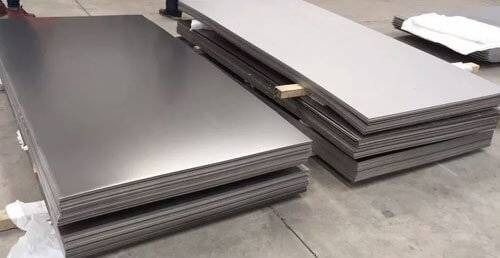
Stainless Steel 304L Sheets: A Versatile Solution for Industrial Applications
Stainless Steel 304L sheets are among the most commonly used stainless steel materials in various industries due to their excellent corrosion resistance, strength, and versatility. The "L" in 304L signifies "low carbon," making it ideal for applications requiring welding without the risk of carbide precipitation. As an austenitic stainless steel alloy, 304L offers a unique combination of mechanical properties and resistance to a wide range of corrosive environments.
In this article, we’ll explore the composition, characteristics, applications, and benefits of Stainless Steel 304L sheets, and why they remain a preferred choice across industries such as construction, food processing, and chemical manufacturing.
Chemical Composition of Stainless Steel 304L Sheets
Stainless Steel 304L is a lower-carbon version of the standard 304 alloy. The reduced carbon content minimizes the risk of chromium carbide precipitation during welding, which can degrade corrosion resistance. The typical chemical composition includes:
Chromium (Cr): 18.0 – 20.0%
Nickel (Ni): 8.0 – 12.0%
Carbon (C): ≤ 0.03%
Manganese (Mn): ≤ 2.0%
Silicon (Si): ≤ 1.0%
Phosphorus (P): ≤ 0.045%
Sulfur (S): ≤ 0.03%
Iron (Fe): Balance
This precise balance of elements gives SS 304L sheets their excellent resistance to oxidation and corrosion, along with good strength and formability.
Key Properties of Stainless Steel 304L Sheets
1. Corrosion Resistance
One of the standout features of SS 304L sheets is their superior corrosion resistance. They perform exceptionally well in a variety of environments including acidic, oxidizing, and mildly reducing conditions. This makes them ideal for use in chemical plants, marine environments, and kitchen equipment.
2. Weldability
Due to its low carbon content, 304L is highly weldable. It can be welded without post-weld heat treatment, reducing fabrication time and cost. This makes it ideal for pressure vessels, piping, and structural applications where welding is a key requirement.
3. Strength and Durability
While 304L has slightly lower tensile strength than standard 304, it still provides sufficient mechanical strength for a wide array of industrial applications. Its yield and tensile strength ensure it can handle stress, pressure, and wear over extended periods.
4. Formability and Workability
304L sheets are easy to fabricate and form. They can be rolled, stamped, and drawn into a wide range of shapes without cracking, making them suitable for complex components in automotive, architectural, and appliance manufacturing.
5. Hygienic Properties
SS 304L is non-porous, non-reactive, and easy to clean, making it ideal for environments that require strict hygiene standards, such as food processing and pharmaceutical equipment.
Common Applications of Stainless Steel 304L Sheets
Due to their adaptability and corrosion resistance, Stainless Steel 304L sheets are utilized across various industries:
1. Food and Beverage Industry
Stainless Steel 304L sheets are widely used in food processing equipment, kitchen appliances, and brewing systems. Their non-reactive surface prevents contamination and preserves food safety.
2. Chemical and Petrochemical Industry
The excellent resistance of 304L to various chemicals and corrosive substances makes it suitable for storage tanks, piping systems, and chemical containers.
3. Construction and Architecture
From cladding panels and roofing to handrails and decorative trims, 304L sheets offer aesthetic appeal, strength, and long-term durability in modern architecture and infrastructure projects.
4. Pharmaceutical and Medical Equipment
Thanks to its non-reactive and sterile surface, 304L is preferred in hospitals and laboratories for surgical instruments, trays, tables, and cleanroom components.
5. Automotive and Aerospace
In these high-demand industries, SS 304L is used for parts requiring corrosion resistance and strength, including exhaust systems, brackets, and structural components.
Advantages of Stainless Steel 304L Sheets
1. Longevity and Low Maintenance
SS 304L sheets are resistant to rust and chemical corrosion, which means they maintain structural integrity and appearance for years with minimal maintenance.
2. Cost-Effective
Though not the cheapest material upfront, the long service life, low maintenance costs, and reusability of 304L make it a cost-effective option over time.
3. Eco-Friendly
Stainless steel is 100% recyclable. At the end of its life cycle, 304L can be reused in other manufacturing processes, reducing environmental impact.
4. Excellent Surface Finish
304L sheets are available in a variety of finishes—from matte to mirror polish—which enhances their visual appeal in architectural and consumer-facing applications.
5. Non-Magnetic in Annealed Condition
Unlike some stainless steels, 304L is non-magnetic in the annealed state, which can be an advantage in applications sensitive to magnetic interference.
Finishes and Forms
Stainless Steel 304L sheets are available in multiple finishes such as:
2B Finish: Smooth, matte finish for general-purpose use
BA (Bright Annealed): Highly reflective finish for decorative or cleanroom applications
No. 4 Finish: Brushed finish commonly used in kitchen appliances
Mirror Finish: Aesthetic applications requiring high reflectivity
These sheets are also supplied in various thicknesses and dimensions to meet the specific needs of end users.
Conclusion
Stainless Steel 304L sheets are a premium material offering high corrosion resistance, excellent formability, and ease of fabrication. Their versatility makes them suitable for applications ranging from food processing and chemical storage to modern architectural design. With sustainability and performance at its core, 304L remains a trusted solution across countless industries worldwide.
Whether you are looking for a material that offers hygiene, durability, or a visually appealing surface, SS 304L sheets provide a balance of all these qualities—making them an indispensable material in today's industrial and commercial sectors.
Appreciate the creator