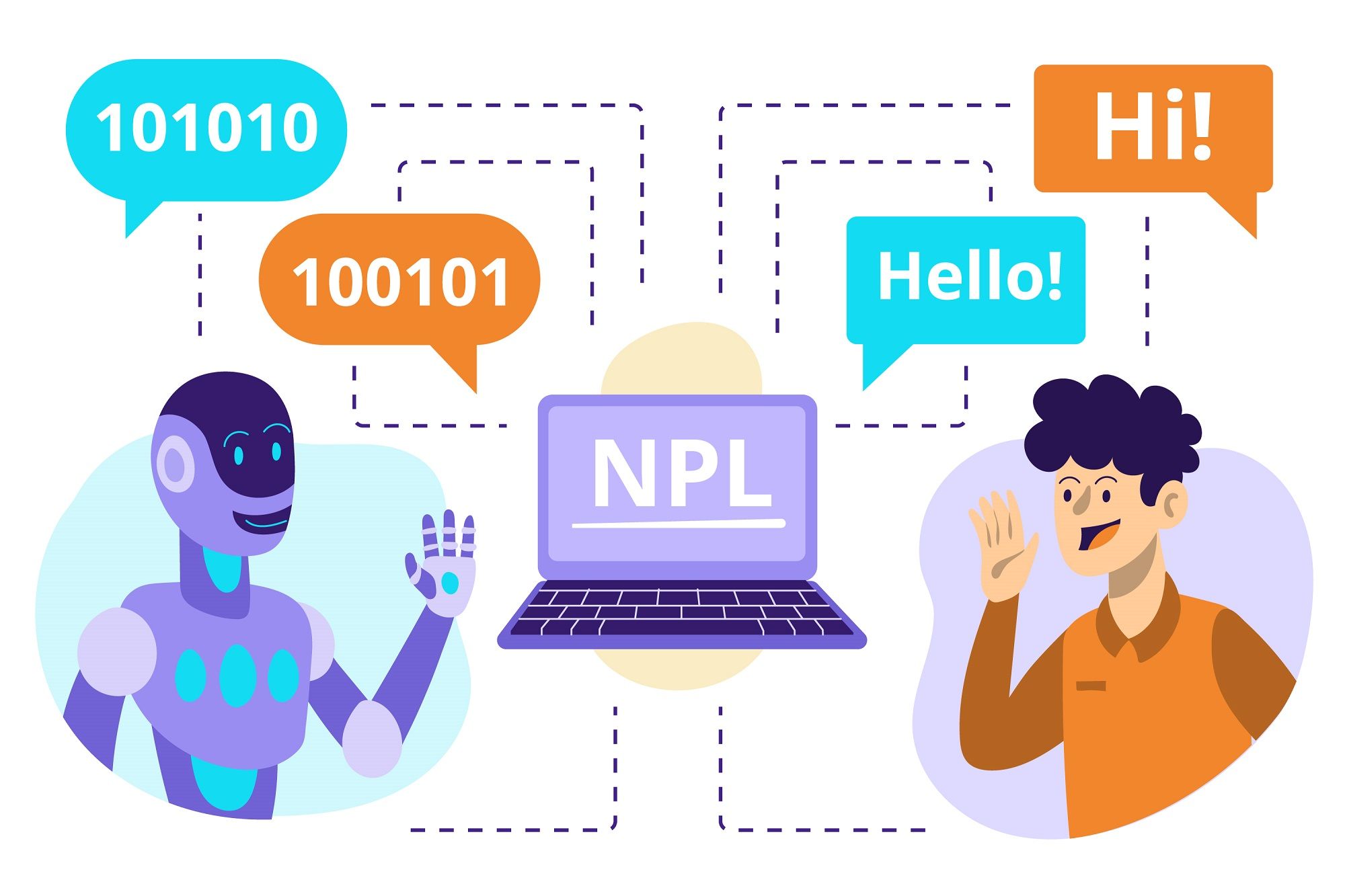
Speed vs. Sensitivity: Where AI Translation Wins—and Where It Still Falls Short
AI translation has revolutionized the speed and accessibility of multilingual communication. From real-time voice translation apps to document converters embedded in cloud platforms, these tools have reshaped how we navigate global interactions. But speed comes at a cost. Despite impressive advancements, AI translation still struggles with context, nuance, and cultural sensitivity—elements essential to truly effective communication. In this article, we examine the strengths and limitations of AI translation, highlighting where it excels and where it continues to rely on human refinement.
Where AI Translation Excels
1. Speed and Scalability
AI systems process and deliver translations in seconds, even for large volumes of content. Platforms like DeepL, Google Translate, and ChatGPT-based translation tools allow businesses to localize websites, product descriptions, and customer support materials almost instantly. This is especially valuable for time-sensitive industries like news media, e-commerce, and travel.
2. Cost Efficiency
Compared to human translators, AI offers significant cost savings. For routine, high-volume tasks such as translating user reviews, technical manuals, or support tickets, AI translation reduces overhead while maintaining functional clarity.
3. Real-Time Communication
Tools like translator apps and translation hardwares facilitate instant speech-to-speech translation. These innovations enhance global collaboration in business meetings, conferences, and customer service environments. The ability to break language barriers in real time is a game-changer for international operations.
4. Consistency in Terminology
AI excels in industries that require precise, repeated terminology—such as pharmaceuticals, law, and engineering. Once trained with specific glossaries or translation memories, AI can maintain high levels of consistency across content.
Where AI Translation Falls Short
1. Contextual Understanding
AI struggles with understanding implied meaning or context-dependent phrasing. It may misinterpret sarcasm, idioms, or double meanings, leading to awkward or incorrect translations. For example, the phrase "break a leg" might be translated literally rather than recognized as an idiom for good luck.
2. Cultural Sensitivity
Language is deeply rooted in culture. AI lacks the human awareness needed to navigate cultural taboos, humor, and tone appropriately. This can result in translations that are technically correct but socially or emotionally tone-deaf, especially in marketing, literature, or diplomatic communication.
3. Emotional and Persuasive Language
AI translation often fails to replicate the emotional impact or persuasive tone of a message. This limitation is particularly evident in creative writing, speeches, or brand storytelling, where subtle word choices make a big difference in reader or listener response.
4. Low-Resource and Dialect-Rich Languages
While support for major languages is robust, AI tools perform poorly with low-resource languages or those with many dialects. These models often lack the training data needed to deliver accurate or idiomatic translations.
The Human Touch: A Necessary Partner
Despite rapid AI advancement, human translators remain essential—particularly for content requiring nuance, emotional resonance, cultural adaptation, or qualification in some cases. In many workflows, AI provides the first draft, which human editors then refine. This hybrid approach combines the efficiency of AI with the empathy and insight of human linguists.
Post-editing roles are growing, as businesses seek faster turnaround without sacrificing quality. Professional translators are increasingly working alongside AI, correcting errors, improving fluency, and ensuring cultural alignment.
When to Use AI vs. Human Translation
Use AI for:
Internal documents
Technical manuals
FAQs and knowledge bases
High-volume, low-risk content
Use human translation for:
Marketing campaigns
Legal and medical documents
Creative writing and literature
Public-facing or culturally sensitive content
Conclusion
AI translation is a powerful enabler of global communication, offering speed, affordability, and expanding access. But it's not a cure-all. The most effective multilingual strategies recognize the strengths of AI while respecting its limitations. For businesses, educators, and institutions aiming for both efficiency and authenticity, the solution is not choosing between man and machine—but using them in harmony.
Appreciate the creator