Signs of Female Infertility Women Should Never Ignore
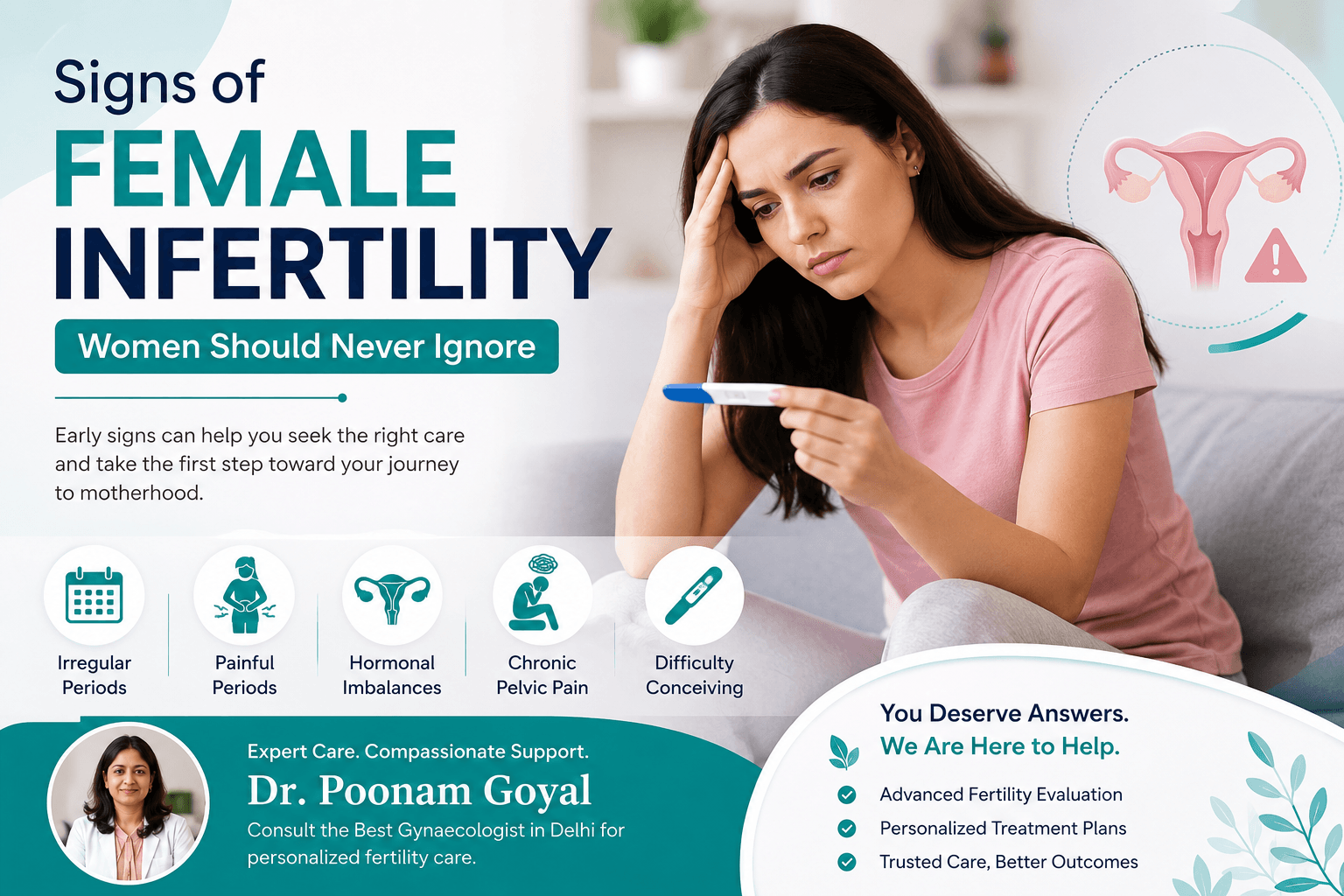
For many women, the dream of becoming a mother is one of life's most cherished aspirations. However, fertility challenges are becoming increasingly common, and many women fail to recognize the warning signs until conception becomes difficult. Understanding the early symptoms of infertility can help women seek timely medical care and improve their chances of achieving a healthy pregnancy.
Female infertility is not always obvious. In many cases, the body provides subtle signals that something may not be functioning properly within the reproductive system. Recognizing these symptoms and consulting an experienced specialist can make a significant difference.
If you are concerned about Female infertility in Delhi, learning about these warning signs can help you take proactive steps toward protecting your reproductive health.
What Is Female Infertility?
Female infertility refers to the inability to conceive after 12 months of regular, unprotected intercourse. For women over the age of 35, infertility evaluations are generally recommended after six months of trying to conceive.
Infertility can result from various factors, including hormonal imbalances, ovulation disorders, reproductive health conditions, age-related fertility decline, and lifestyle influences.
The good news is that many causes of infertility can be diagnosed and treated successfully when detected early.
Why Early Detection Matters
Many women assume fertility problems only become apparent when pregnancy doesn't occur. However, infertility often develops gradually and may present warning signs years before conception is attempted.
Early diagnosis offers several benefits:
Better Treatment Outcomes
Identifying reproductive issues early often leads to more effective treatment options.
Improved Fertility Preservation
Certain conditions can worsen over time. Timely intervention may help preserve fertility potential.
Reduced Emotional Stress
Understanding the underlying cause of fertility challenges can provide clarity and direction for future treatment.
Personalized Medical Care
Early fertility assessments allow doctors to create customized treatment plans based on individual needs.
Irregular Menstrual Cycles
One of the most common signs of infertility is an irregular menstrual cycle.
A healthy menstrual cycle generally occurs every 21 to 35 days. If periods are frequently delayed, absent, unusually heavy, or unpredictable, it may indicate ovulation problems.
Irregular cycles are often associated with:
Polycystic Ovary Syndrome (PCOS)
PCOS is a leading cause of female infertility and can interfere with regular ovulation.
Hormonal Imbalances
Disruptions in reproductive hormones may affect egg release and fertility.
Women experiencing persistent menstrual irregularities should seek medical evaluation as early as possible.
Painful Periods
Many women experience menstrual discomfort, but severe pain should never be ignored.
Intense cramping, pelvic pain, or pain that interferes with daily activities may indicate underlying reproductive conditions such as:
Endometriosis
Adenomyosis
Pelvic inflammatory disease
These conditions can affect fertility if left untreated.
Absence of Periods
Missing periods without pregnancy is another significant warning sign.
Absent menstruation may occur due to:
Hormonal Disorders
Problems involving the thyroid gland, pituitary gland, or reproductive hormones can disrupt ovulation.
Premature Ovarian Insufficiency
Some women experience reduced ovarian function before the age of 40.
Excessive Stress or Weight Changes
Significant emotional stress, excessive exercise, or sudden weight loss can impact reproductive hormones.
If periods stop unexpectedly, professional medical assessment is essential.
Difficulty Predicting Ovulation
Ovulation is necessary for conception. Women who rarely ovulate or do not ovulate regularly may struggle to become pregnant.
Possible signs include:
Extremely irregular cycles
Missing periods
Lack of common ovulation symptoms
Hormonal fluctuations
Ovulation disorders are among the most treatable causes of infertility when diagnosed early.
Chronic Pelvic Pain
Persistent pelvic pain should never be considered normal.
Ongoing discomfort in the lower abdomen or pelvic region may indicate:
Endometriosis
This condition occurs when tissue similar to the uterine lining grows outside the uterus.
Fibroids
Large uterine fibroids can interfere with fertility and implantation.
Pelvic Infections
Untreated infections can damage reproductive organs and affect fertility.
Seeking medical advice promptly can prevent complications and improve reproductive outcomes.
Hormonal Changes
Hormonal imbalances often produce symptoms beyond menstrual irregularities.
Women experiencing infertility-related hormonal issues may notice:
Excess Facial or Body Hair
Elevated androgen levels are commonly associated with PCOS.
Severe Acne
Persistent adult acne may signal underlying hormonal disturbances.
Hair Thinning
Hormonal disorders can contribute to noticeable hair loss.
Unexplained Weight Gain
Metabolic and hormonal conditions may affect both fertility and body weight.
These symptoms warrant consultation with a fertility specialist or gynecologist.
Pain During Intercourse
Painful sexual intercourse can sometimes indicate reproductive health problems.
Possible causes include:
Endometriosis
Pelvic infections
Ovarian cysts
Fibroids
Ignoring persistent pain may delay diagnosis of conditions that can impact fertility.
Recurrent Miscarriages
While a single miscarriage is relatively common, repeated pregnancy loss may indicate underlying fertility issues.
Potential causes include:
Hormonal Imbalances
Hormonal deficiencies may affect embryo implantation and pregnancy maintenance.
Uterine Abnormalities
Structural issues within the uterus can increase miscarriage risk.
Genetic Factors
Certain genetic conditions may contribute to recurrent pregnancy loss.
Comprehensive fertility evaluation is recommended for women who have experienced multiple miscarriages.
Age and Fertility Decline
Female fertility naturally declines with age, particularly after 35.
As women grow older:
Egg quality decreases
Ovarian reserve declines
Pregnancy complications become more common
Women planning pregnancy later in life should consider fertility assessments to better understand their reproductive health.
When to Consult a Fertility Specialist
You should seek professional guidance if:
You are under 35 and have been trying to conceive for one year without success.
You are over 35 and have been trying for six months.
You experience irregular or absent periods.
You suffer from severe pelvic pain.
You have a history of miscarriage or reproductive disorders.
Consulting the Best Gynaecologist in Delhi can help identify fertility concerns before they become more serious.
How Dr. Poonam Goyal Can Help
When facing fertility concerns, choosing the right specialist is crucial.
Dr. Poonam Goyal is recognized for her patient-focused approach to women's reproductive health. She provides comprehensive fertility evaluations, advanced diagnostic testing, and personalized treatment plans designed to address each woman's unique needs.
Her commitment to compassionate care and evidence-based treatment helps women navigate fertility challenges with confidence and support.
For women seeking expert care related to Female infertility in Delhi, timely consultation with an experienced specialist can be the first step toward successful treatment.
Finding the Best Female Infertility Care in Delhi
Choosing the Best female infertility in Delhi services involves more than selecting a clinic. Women should look for:
Experienced Specialists
Expert guidance plays a critical role in accurate diagnosis and treatment.
Advanced Diagnostic Facilities
Modern fertility assessments help identify underlying reproductive issues quickly.
Personalized Treatment Plans
Every woman's fertility journey is different and requires individualized care.
Comprehensive Support
Emotional and medical support are equally important during fertility treatment.
Conclusion
Female infertility often develops gradually, but the body frequently provides warning signs that should never be ignored. Irregular periods, painful menstruation, hormonal symptoms, pelvic pain, and difficulty conceiving are all signals that deserve professional attention.
Early diagnosis and treatment can significantly improve reproductive outcomes and help women achieve their family-building goals. If you notice any of these symptoms, consulting an experienced specialist such as Dr. Poonam Goyal can help you understand your fertility health and explore the most suitable treatment options.
Frequently Asked Questions (FAQs)
What are the earliest signs of female infertility?
Irregular periods, absent menstruation, painful periods, pelvic pain, and difficulty conceiving are among the most common early signs.
Can irregular periods indicate infertility?
Yes. Irregular cycles often suggest ovulation problems, which can affect fertility.
Does age impact female fertility?
Yes. Fertility naturally declines with age, especially after 35 years.
When should I see a fertility specialist?
Women under 35 should seek evaluation after one year of trying to conceive, while women over 35 should seek help after six months.
Can PCOS cause infertility?
Yes. PCOS is one of the leading causes of ovulation-related infertility in women.
How can the Best Gynaecologist in Delhi help with infertility?
An experienced gynecologist can diagnose reproductive issues, recommend fertility testing, and develop personalized treatment plans.
Is Female infertility in Delhi treatable?
Many causes of infertility are treatable with early diagnosis, lifestyle changes, medications, or advanced fertility treatments.
How do I find the Best female infertility in Delhi specialist?
Look for experienced fertility experts, advanced facilities, positive patient reviews, and personalized care approaches.
Appreciate the creator