Should You Repair Gold Before Selling? Get the Best Price for Your Jewelry
If you're planning to sell old jewellery (https://timeandgold.com.au/service/sell-your-gold-jewellery-in-sydney), one question probably comes to mind: Should I repair it first?
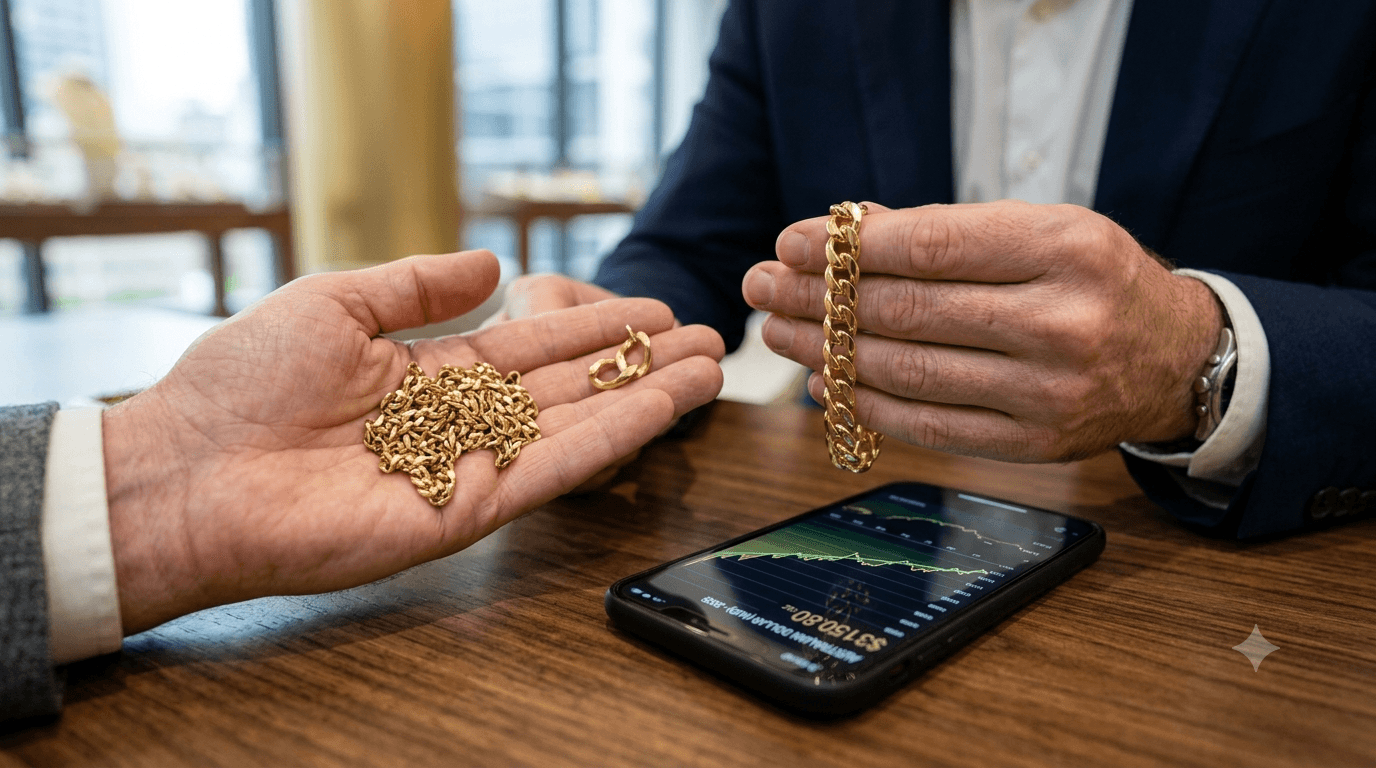
Many people believe broken chains, bent rings, or damaged bracelets are worthless. Fortunately, that's a myth. In most cases, gold retains its intrinsic value regardless of its condition because the metal itself is what buyers are paying for.
However, there are situations where repairing your jewelry can significantly increase its resale value—especially if it's a luxury brand or a rare antique.
So how do you know which option will put more money in your pocket?
This guide explains how gold buyers evaluate jewelry, when repairs are worth the investment, and when you're better off selling it exactly as it is.
The Cost of Perfection vs. The Value of Raw Gold
The biggest mistake sellers make is assuming that every piece of jewelry should look perfect before selling.
In reality, there are two completely different ways buyers value gold:
Scrap Value: Based on the gold's weight and purity.
Resale Value: Based on craftsmanship, brand, rarity, and condition.
If your jewelry is destined to be melted down, spending money on repairs usually won't increase its value.
On the other hand, if the piece has collector appeal or luxury branding, a simple repair may dramatically improve its selling price.
The key is knowing which category your jewelry falls into before investing in repairs.
How Buyers Value Your Gold
Understanding how buyers determine value is essential if you want the best return when you sell old jewellery.
The Difference Between Scrap and Resale
Gold buyers generally purchase jewelry in one of two ways:
For its precious metal content (scrap)
As a finished jewelry piece (resale)
The difference between these two valuation methods can mean hundreds—or even thousands—of dollars.
Melt Value Based on Weight
Most local gold buyers calculate value using three factors:
Current gold spot price
Gold purity
Total weight
Purity plays an important role because different karats contain different percentages of pure gold.
Gold PurityGold Content10K41.7%14K58.5%18K75%24K99.9%
When selling for scrap, scratches, dents, broken clasps, and missing stones usually don't affect the payout.
The buyer simply calculates how much recoverable gold the item contains.
That's why damaged necklaces and broken rings often sell for nearly the same amount as perfect ones.
Market Value for Finished Pieces
Finished jewelry is evaluated very differently.
Instead of focusing only on gold content, buyers also consider:
Brand reputation
Craftsmanship
Design popularity
Gemstones
Condition
Original packaging
Certificates of authenticity
Luxury brands like Cartier and Tiffany & Co. command significant premiums over their melt value because buyers are purchasing the complete piece—not just the gold.
Condition becomes much more important in these situations.
When Fixing Your Jewelry Increases Local Profit
Although many repairs aren't worthwhile, there are important exceptions.
Scenarios Where Repairs Pay Off
Repairs make financial sense when they help preserve artistic or collector value.
High-End Designer Pieces
Luxury jewelry is often worth far more than the value of its gold.
Imagine a damaged Cartier bracelet.
If sold as scrap, it may only receive payment based on its gold weight.
However, after professional restoration, collectors may pay several times more because they're buying a luxury accessory rather than raw metal.
A professionally refurbished designer bracelet can often sell for significantly more than its melt value, especially when accompanied by:
Original receipt
Certificate of authenticity
Original box
Service history
These documents increase buyer confidence and help justify premium pricing.
Rare Vintage and Antique Gold
Older jewelry often carries historical value that exceeds its gold content.
Collectors search for:
Victorian jewelry
Art Deco designs
Edwardian pieces
Handmade antique craftsmanship
Something as simple as replacing a damaged clasp may increase the resale value by 20–50%, provided the repair preserves the original design and materials.
If you suspect your jewelry is antique, consult an experienced appraiser before deciding to melt or repair it.
Some pieces may have museum-quality significance that makes scrap value irrelevant.
The Financial Risks of Pre-Sale Repairs
Repairs don't always lead to higher offers.
In many situations, they actually reduce your profit.
Why Most Repairs Are a Waste of Money
For ordinary gold jewelry, buyers are primarily interested in metal content.
This means expensive repairs rarely pay for themselves.
The "Repair Trap" Math
Consider this example:
Repair cost: $100
Increased selling price: $40
Instead of making more money, you've lost $60.
With jewelry repair labor costs continuing to rise in 2026, even basic services like soldering, resizing, or replacing clasps can become expensive.
Unless the repair adds substantial resale value, it usually isn't a wise investment.
Avoid "over-improving" pieces that will ultimately be sold for scrap.
Potential for Value Loss
Poor-quality repairs can create additional problems.
Improper soldering may:
Lower gold purity
Introduce mixed metals
Damage delicate designs
Reduce collector interest
Some professional buyers even deduct repair costs if they believe previous work makes the item harder to process or resell.
When in doubt, it's often better to leave the jewelry untouched.
Choosing the Right Selling Channel
Where you choose to sell old jewellery can have just as much impact as whether you repair it.
Local Gold Buyers and Pawn Shops
Local buyers are generally the best choice for:
Broken necklaces
Damaged rings
Single earrings
Tangled chains
Scrap gold
These buyers typically base offers on a percentage of the current spot price, adjusted for purity and weight.
Benefits include:
Immediate cash payment
Fast transactions
No shipping risks
No repair requirements
If your jewelry has little collectible value, this is often the simplest and quickest option.
Online Marketplaces and Consignment
If you've repaired a valuable designer or antique piece, online platforms may generate higher returns.
Good options include:
eBay
Specialty jewelry marketplaces
Luxury resale websites
Professional consignment jewelers
These channels attract buyers looking for finished jewelry rather than scrap gold.
The trade-off is time.
While you may receive a significantly higher price, it can take weeks—or even months—to find the right buyer.
You'll also need quality photographs, detailed descriptions, and patience during the selling process.
Final Checklist for Maximizing Your Payout
Before you sell old jewellery, take a few simple steps that can improve your chances of receiving the best possible offer.
Basic Cleaning at Home
A clean piece creates a stronger first impression.
Use:
Warm water
Mild dish soap
A soft microfiber cloth
A soft toothbrush for intricate areas
Avoid:
Bleach
Harsh chemicals
Abrasive polishing compounds
Steel brushes
These materials can damage finishes or gemstones.
Remember, cleaning is different from repairing. You're simply presenting the jewelry in its best condition without altering its structure.
Organizing Your Documentation
Documentation often increases buyer confidence.
Gather:
Original purchase receipts
Professional appraisals
Warranty cards
Certificates of authenticity
Original packaging
Also inspect each item for hallmarks indicating:
Gold purity
Manufacturer
Brand
Country of origin
If you're selling multiple items, create a simple inventory listing each piece's weight and karat. This makes it easier to compare offers from different buyers.
The Bottom Line on Gold Repairs
The simplest rule to remember is this:
Gold is valued by weight. Jewelry is valued by artistry.
If your item is ordinary gold jewelry destined for scrap, repairs usually waste money because buyers primarily care about purity and weight.
However, if you're selling a designer, vintage, or collectible piece, professional restoration may unlock significantly higher resale value.
Before making any decisions:
Check the current gold spot price.
Determine whether your jewelry has collectible or designer value.
Compare repair costs with the expected increase in resale price.
Choose the selling channel that matches your item's true worth.
By taking these steps, you'll make a more informed decision and maximize your return when you sell old jewellery. (https://timeandgold.com.au/service/sell-your-gold-jewellery-in-sydney) Whether your piece is broken, tarnished, or in excellent condition, understanding how buyers evaluate gold ensures you receive the best possible price.
Appreciate the creator