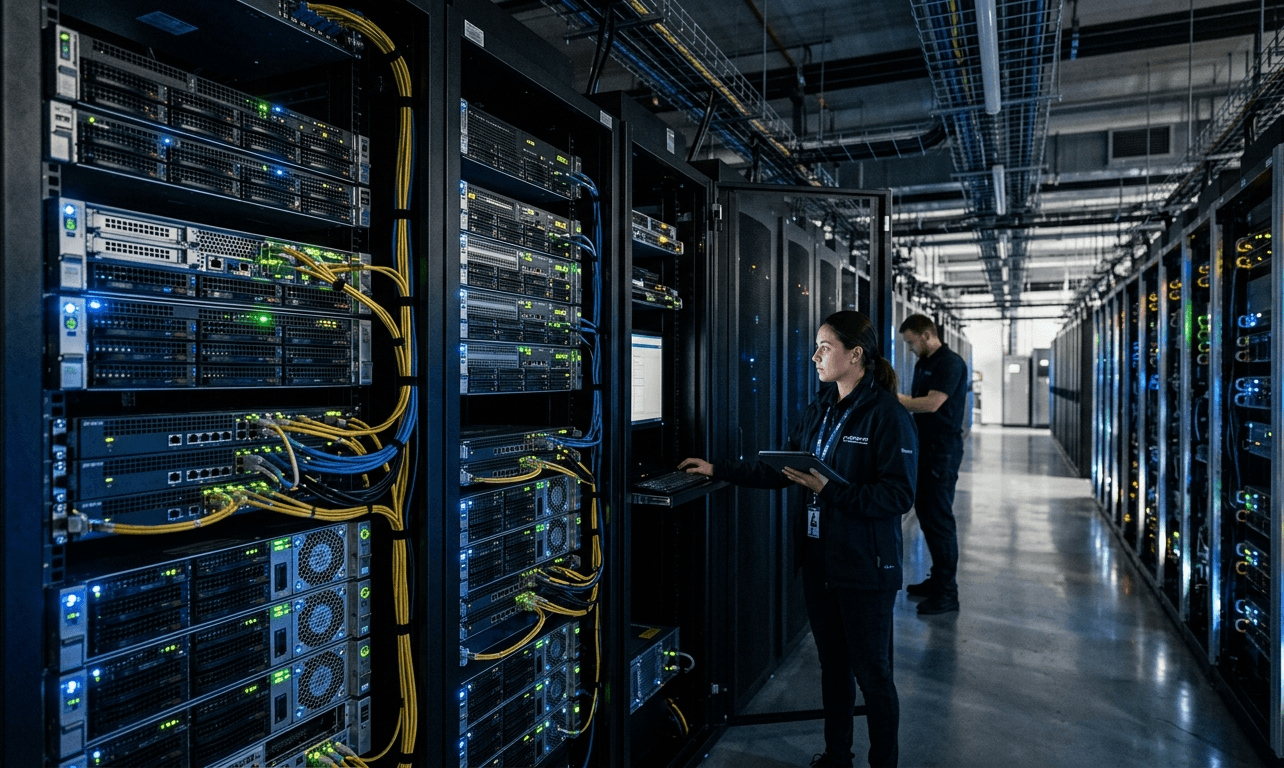
Server in Data Center Architecture Powering Modern Digital Systems
Introduction
The rapid expansion of digital technologies, cloud computing, and enterprise data platforms has transformed how organizations manage and process information. At the heart of this transformation lies the infrastructure that powers modern computing environments. A server in data center environments plays a critical role in supporting applications, storing data, and ensuring continuous connectivity for businesses operating in an increasingly digital world.
Organizations rely on data centers to host large volumes of computing resources that support everything from enterprise software and web platforms to artificial intelligence workloads and cloud services. Within these environments, servers operate as the core processing units responsible for executing applications, managing databases, and delivering services to users across networks.
As enterprises continue to scale their digital operations, understanding the role of a server in data center architecture becomes increasingly important. Businesses must design infrastructure that supports performance, scalability, security, and reliability while maintaining operational efficiency. The evolving demands of modern digital ecosystems are driving innovation in server technologies and data center infrastructure.
Understanding the Role of a Server in Data Center Infrastructure
A server functions as a specialized computer designed to manage network resources and deliver services to other devices known as clients. In enterprise environments, a server in data center infrastructure performs essential tasks such as processing requests, storing critical business data, running applications, and managing network operations.
Data centers are built to house hundreds or even thousands of servers operating together in a controlled environment. These facilities provide the power, cooling systems, networking infrastructure, and physical security required to maintain optimal performance for computing systems.
Within a typical data center environment, servers may be configured for different purposes including database management, web hosting, application processing, virtualization, and storage operations. By distributing workloads across multiple servers, organizations can ensure reliability and prevent system failures from affecting critical operations.
The architecture of a server in data center environments is carefully designed to support high availability and efficient workload management. This infrastructure ensures that digital services remain accessible to users around the world.
Data Processing and Storage Capabilities
One of the most significant roles of a server in data center environments is to manage large volumes of enterprise data. Organizations generate massive datasets from digital applications, customer interactions, IoT devices, and operational systems. Servers provide the computational power required to process this data efficiently.
Data centers typically deploy servers connected to large-scale storage systems that support structured and unstructured data management. These servers perform complex computing tasks including database queries, analytics processing, and application execution.
Modern enterprises also rely on virtualization technologies that allow a single physical server to host multiple virtual machines. This approach improves resource utilization and enables organizations to run multiple applications on the same hardware infrastructure.
The ability of a server in data center architecture to support large-scale data processing makes it essential for industries such as finance, healthcare, telecommunications, and e-commerce where continuous data availability is critical.
Scalability and Performance in Enterprise Infrastructure
As businesses expand their digital operations, the need for scalable infrastructure becomes increasingly important. A well-designed server in data center environment allows organizations to scale their computing resources based on workload demands.
Modern data centers support horizontal scaling where additional servers can be integrated into the infrastructure to handle increased processing requirements. This flexibility ensures that businesses can accommodate traffic spikes, application growth, and expanding data storage needs.
High-performance servers equipped with advanced processors, high-speed memory, and fast storage systems deliver the performance required for demanding applications such as real-time analytics, artificial intelligence workloads, and cloud computing platforms.
The scalability of a server in data center architecture allows organizations to maintain consistent performance while supporting the rapid growth of digital services and online platforms.
Security and Reliability in Data Center Operations
Security remains one of the most important considerations when managing enterprise IT infrastructure. A server in data center environment is designed with multiple layers of security to protect sensitive data and prevent unauthorized access.
Data centers implement physical security measures such as restricted access controls, surveillance systems, and secure server racks to safeguard hardware infrastructure. In addition, network security solutions including firewalls, intrusion detection systems, and encryption protocols help protect digital assets from cyber threats.
Reliability is equally critical for organizations that depend on continuous system availability. Data centers often incorporate redundant power supplies, backup generators, and advanced cooling systems to prevent hardware failures and ensure uninterrupted operations.
By maintaining robust security and reliability standards, server in data center infrastructure enables organizations to deliver stable digital services and maintain trust with customers and partners.
Cloud Computing and Modern Server Infrastructure
The rise of cloud computing has significantly influenced the development of server in data center technologies. Cloud platforms rely on massive networks of interconnected servers distributed across global data centers to deliver computing services on demand.
In cloud environments, servers operate as part of highly virtualized infrastructure that supports flexible resource allocation. Businesses can access computing power, storage, and software applications through cloud services without managing physical hardware directly.
This shift toward cloud-based infrastructure has transformed how organizations deploy and scale digital applications. Instead of maintaining traditional on-premise servers, many enterprises now leverage cloud data centers that provide scalable server resources.
Despite this shift, the fundamental role of a server in data center architecture remains essential for supporting modern digital ecosystems and ensuring efficient computing operations.
Innovation in Server Technology
Technological innovation continues to reshape server in data center infrastructure. Advances in processor design, memory architecture, and storage technologies are enabling servers to handle increasingly complex workloads.
High-density server configurations allow data centers to host more computing power within smaller physical footprints, improving energy efficiency and operational performance. New cooling techniques and energy management solutions are also helping organizations reduce the environmental impact of large-scale data center operations.
Artificial intelligence and machine learning workloads are driving the adoption of specialized hardware such as GPUs and AI accelerators within server environments. These technologies enable faster data processing and support advanced analytics capabilities.
As digital transformation accelerates across industries, the evolution of server in data center technologies will continue to support the growing demand for high-performance computing infrastructure.
Future Trends in Data Center Infrastructure
The future of digital infrastructure will continue to depend heavily on the performance and reliability of a server in data center environment. Emerging technologies such as edge computing, 5G networks, and distributed cloud platforms are expanding the role of servers beyond traditional data center facilities.
Edge data centers located closer to users enable faster data processing and reduced latency for applications such as autonomous vehicles, smart cities, and real-time analytics. These developments are creating new opportunities for innovative server architectures designed to operate in decentralized environments.
Sustainability is also becoming a key focus for data center operators. Energy-efficient server designs and renewable energy integration are helping organizations reduce carbon emissions while maintaining operational performance.
These trends highlight how server in data center infrastructure will remain a cornerstone of global digital ecosystems for years to come.
Conclusion
Modern digital services depend on reliable and scalable infrastructure capable of supporting complex computing operations. A server in data center architecture provides the foundation for processing data, running enterprise applications, and delivering online services to users worldwide.
From supporting cloud platforms and large-scale data processing to enabling secure and reliable digital operations, servers play a crucial role in modern IT ecosystems. As organizations continue to embrace digital transformation, the demand for efficient and high-performance server infrastructure will continue to grow.
By investing in advanced server in data center technologies, businesses can build resilient digital environments that support innovation, scalability, and long-term operational success in an increasingly connected world.
Appreciate the creator