
Safe Cycling: Protecting Rights & Understanding Accident Claims
Cycling is not only a popular means of transportation but also a fantastic way to stay fit and enjoy the great outdoors. Whether you're an avid cyclist or someone who occasionally pedals around town, it's crucial to prioritize safety on the roads. Unfortunately, accidents can still happen, and understanding your rights in the event of a bicycle accident is essential.
At Index Claims, we are dedicated to promoting safe cycling practices and empowering cyclists with valuable information about bicycle accident claims. In this comprehensive guide, we will delve into the intricacies of bicycle accident claims, provide insights into protecting your rights, and offer valuable tips to help you navigate through this challenging process.
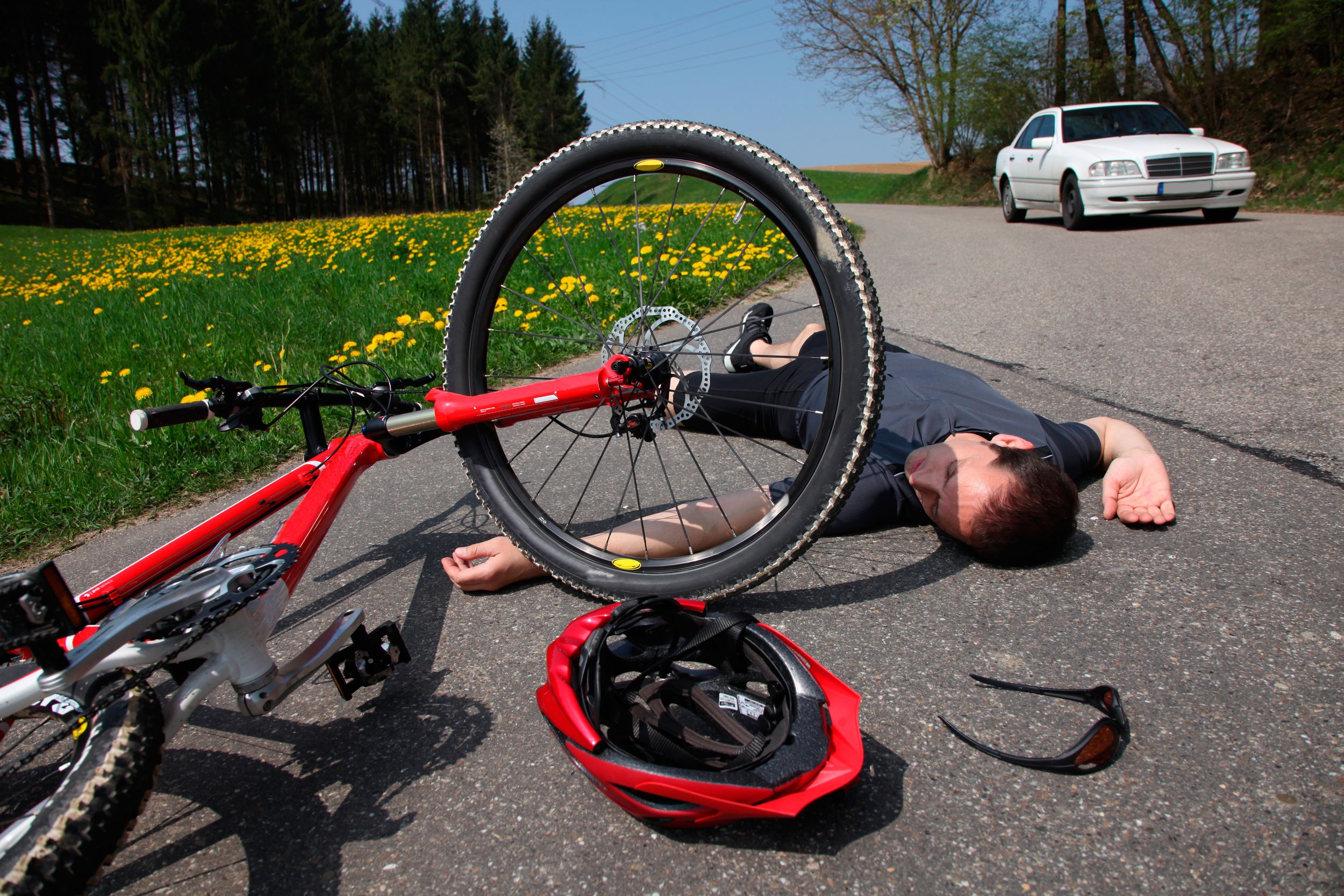
1. The Importance of Bicycle Accident Claims
When involved in a bicycle accident, many cyclists are unsure of what steps to take or how to proceed. Bicycle accident claims play a vital role in ensuring that injured cyclists receive the compensation they deserve. It's crucial to understand that you have rights and legal recourse in such situations.
By filing a bicycle accident claim, you can seek compensation for various damages, including medical expenses, property damage, pain and suffering, lost wages, and even long-term rehabilitation costs. These claims not only help you recover financially but also hold responsible parties accountable for their actions, promoting safer roads for all cyclists.
2. Gathering Evidence to Support Your Claim
To build a strong case and increase your chances of a successful claim, it's crucial to gather as much evidence as possible. These are key steps to consider:
a. Document the Scene: After an accident, if you are physically able to do so, document the scene by taking photographs of the accident site, any visible injuries, and damage to your bicycle or other involved vehicles. These visual records can serve as crucial evidence.
b. Collect Witness Information: Speak with any witnesses present at the scene and collect their contact information. Eyewitness testimonies can provide essential support to your claim.
c. Obtain Police Reports: Contact the local authorities and ensure that a police report is filed. This official documentation will provide an unbiased account of the accident and can strengthen your claim.
d. Seek Medical Attention: Even if you believe your injuries are minor, it's essential to seek medical attention promptly. A thorough medical examination not only ensures your well-being but also establishes a direct link between the accident and your injuries.
3. Seeking Legal Representation
Navigating through the complexities of bicycle accident claims can be overwhelming, especially when dealing with injuries and emotional distress. Seeking legal representation from a skilled and experienced personal injury attorney can significantly benefit your case.
A knowledgeable attorney will guide you through the legal process, assess the strength of your claim, negotiate with insurance companies on your behalf, and provide expert advice tailored to your specific situation. Their expertise and understanding of personal injury law will give you peace of mind and increase the likelihood of a favorable outcome.
4. Protecting Your Rights as a Cyclist
While it's crucial to take legal action after a bicycle accident, prevention is always the best course of action. By adopting safe cycling practices, you can significantly reduce the risk of accidents and protect your rights as a cyclist. Here are some tips to consider:
a. Obey Traffic Laws: Familiarize yourself with local traffic laws and adhere to them at all times. This includes using appropriate hand signals, stopping at red lights and stop signs, and yielding to pedestrians.
b. Wear Protective Gear: Always wear a properly fitted helmet and other appropriate protective gear, such as reflective clothing and bright lights, to enhance your visibility on the road.
c. Stay Alert and Vigilant: Maintain focus while cycling and constantly scan your surroundings for potential hazards. Avoid distractions such as using your phone or listening to music that may hinder your ability to react to sudden situations.
d. Plan Your Routes: When possible, choose routes that have designated cycling lanes or lower traffic volumes. Familiarize yourself with local cycling infrastructure and utilize it to ensure a safer riding experience.
5. The Road to Recovery
Recovering from a bicycle accident involves both physical and emotional healing. It's essential to prioritize your well-being during this challenging time. Follow your healthcare provider's advice, attend rehabilitation sessions diligently, and seek emotional support if needed. Remember, healing takes time, and your perseverance will play a crucial role in your overall recovery.
In conclusion
Understanding bicycle accident claims and protecting your rights as a cyclist are essential for promoting safer roads and ensuring that injured cyclists receive the compensation they deserve. By following the steps outlined in this guide, gathering evidence, seeking legal representation, and adopting safe cycling practices, you can assert your rights and navigate through the complexities of the legal process.
Appreciate the creator