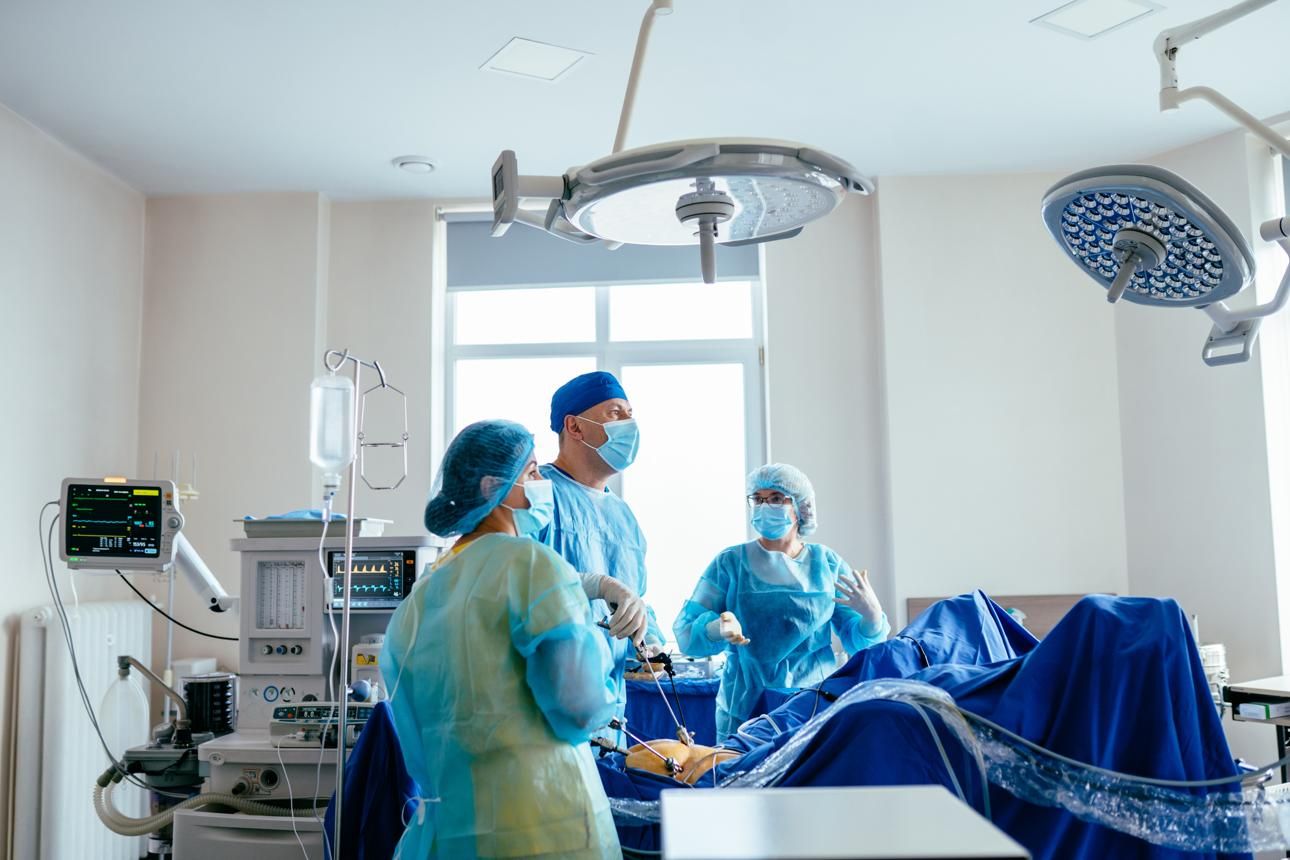
Role of Laparoscopy in Infertility Diagnosis and Treatment
Infertility is a complex condition that often requires precise diagnosis and targeted treatment. Among the advanced tools available in modern gynecology, laparoscopy plays a crucial role in both identifying and managing the underlying causes of infertility. It is a minimally invasive surgical procedure that allows direct visualization of the pelvic organs, offering a high level of diagnostic accuracy.
As an Infertility specialist in Delhi, I frequently recommend laparoscopy in selected cases where detailed evaluation and simultaneous treatment can significantly improve fertility outcomes. In clinical discussions and medico-legal perspectives, experts like Dr. Vimal Kant Goyal also emphasize the importance of accurate diagnosis and proper documentation in surgical procedures.
What is Laparoscopy
Laparoscopy is a minimally invasive surgical procedure performed using a thin, lighted instrument inserted through a small incision in the abdomen. It allows detailed examination of the uterus, fallopian tubes, ovaries, and surrounding pelvic structures.
Compared to traditional surgery, it offers faster recovery, less pain, and minimal scarring. This approach is widely adopted in centers known for the Best obstetrics and gynecology in Delhi.
Role of Laparoscopy in Infertility Diagnosis
Accurate diagnosis is essential for effective infertility treatment. Laparoscopy helps identify conditions that may not be visible on routine imaging.
Detection of Endometriosis
Laparoscopy enables direct visualization and staging of endometriosis, a common cause of infertility.
Evaluation of Fallopian Tubes
It helps assess tubal patency and detect blockages or adhesions affecting fertility.
Identification of Pelvic Adhesions
Scar tissue from infections or previous surgeries can be identified and evaluated.
Assessment of Ovarian Conditions
Ovarian cysts, polycystic ovaries, and other abnormalities can be diagnosed effectively.
Diagnosis of Unexplained Infertility
In cases where routine tests are normal, laparoscopy can uncover hidden causes.
Experts like Dr. Vimal Kant Goyal highlight that proper evaluation techniques are essential not only for treatment success but also for maintaining high clinical standards.
Role of Laparoscopy in Infertility Treatment
Laparoscopy is both diagnostic and therapeutic, allowing treatment during the same procedure.
Treatment of Endometriosis
Endometriotic lesions can be removed to improve fertility outcomes.
Removal of Adhesions
Scar tissue can be cleared to restore normal pelvic anatomy.
Management of Tubal Blockage
Minor blockages can be corrected laparoscopically.
Ovarian Drilling in PCOS
This procedure may help induce ovulation in selected patients.
Removal of Cysts and Fibroids
Structural abnormalities affecting fertility can be treated effectively.
This integrated approach is commonly seen in practices offering the Best obstetrics and gynecology near me, where advanced care is combined with precision.
Advantages of Laparoscopy in Fertility Care
Laparoscopy offers several benefits in infertility management
Accurate and direct visualization of pelvic organs
Simultaneous diagnosis and treatment
Minimal pain and faster recovery
Improved chances of conception in selected cases
According to Dr. Vimal Kant Goyal, adopting minimally invasive techniques also contributes to better patient safety and clinical outcomes when performed with proper expertise.
When is Laparoscopy Recommended
Laparoscopy is advised in specific clinical situations such as
Suspected endometriosis
Tubal blockage
Pelvic adhesions
Chronic pelvic pain
Unexplained infertility
Role of Specialist Expertise
The success of laparoscopic procedures depends on the skill and experience of the specialist. As an Infertility specialist in Delhi, I focus on individualized care, careful evaluation, and advanced surgical techniques aligned with the Best obstetrics and gynecology in Delhi.
Clinical experts including Dr. Vimal Kant Goyal also stress the importance of ethical practice, proper consent, and adherence to medical standards in such procedures.
Patient Perspective
Laparoscopy is a safe and minimally invasive procedure, usually performed as day-care surgery. Most patients recover quickly and can resume normal activities within a few days.
Understanding the benefits of laparoscopy helps patients make informed decisions about their fertility treatment.
Conclusion
Laparoscopy plays a vital role in the diagnosis and treatment of infertility by providing accurate evaluation and effective management options.
Consulting an experienced Infertility specialist in Delhi ensures that the procedure is performed safely and effectively. When searching for the Best obstetrics and gynecology in Delhi or the Best obstetrics and gynecology near me, it is important to choose a specialist who offers advanced and personalized care.
FAQs
1 What is laparoscopy in infertility
It is a minimally invasive procedure used to diagnose and treat fertility-related conditions
2 Is laparoscopy painful
It is performed under anesthesia and involves minimal discomfort after the procedure
3 How long is recovery after laparoscopy
Most patients recover within a few days
4 Can laparoscopy improve fertility
Yes it can treat underlying conditions and improve chances of conception
5 Is laparoscopy necessary for all infertility patients
No it is recommended only in specific cases based on clinical evaluation
Appreciate the creator