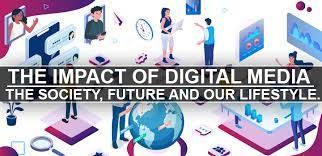
Rise&impact of Digital Media: Shaping the Future of Communication
Introduction:
In today's interconnected world, digital media has become an integral part of our daily lives. It has transformed the way we communicate, consume information, and interact with the world around us. From social media platforms and streaming services to online news outlets and virtual reality experiences, digital media has revolutionized the way we access and engage with content. In this blog, we will explore the rise and impact of digital media, shedding light on its transformative power and the ways it is shaping the future of communication.
The Evolution of Digital Media:
Digital media encompasses various forms of content, including text, images, audio, and video, that are created, distributed, and consumed using digital technologies. Its evolution can be traced back to the advent of the internet, which laid the foundation for a global network of interconnected devices and opened up new avenues for communication and content creation. Over time, technological advancements, such as faster internet speeds, mobile devices, and cloud computing, have further propelled the growth of digital media.
Unprecedented Connectivity:
Digital media has brought people from different corners of the world closer together, enabling instant communication and fostering global communities. Social media platforms like Facebook, Twitter, and Instagram have revolutionized how we connect, share, and express ourselves. They have given individuals and organizations a platform to voice their opinions, raise awareness about social issues, and build online communities. Through digital media, we can engage in discussions, participate in virtual events, and collaborate on a global scale.
Changing Landscape of News Consumption:
The digital revolution has profoundly impacted the news industry. Traditional print media is gradually making way for online news platforms, reaching a wider audience and delivering news in real-time. With just a few clicks, we can access news articles, watch live streams, and engage with multimedia content. Additionally, social media plays a significant role in news dissemination, as people often discover and share news stories through their online networks. However, the rise of digital media has also brought challenges, such as the spread of misinformation and the need for media literacy.
Entertainment Redefined:
Digital media has completely transformed the entertainment industry. Streaming services like Netflix, Amazon Prime Video, and Spotify have revolutionized how we consume music, movies, and television shows. We now have the freedom to access a vast library of content at our fingertips, anytime and anywhere. Furthermore, platforms like YouTube and TikTok have empowered individuals to become content creators, showcasing their talent and gaining a massive following. The rise of virtual reality (VR) and augmented reality (AR) technologies also promises immersive and interactive entertainment experiences.
Impacts on Advertising and Marketing:
Digital media has disrupted traditional advertising and marketing practices. With the ability to target specific demographics and measure campaign effectiveness, digital advertising has become highly personalized and data-driven. Social media advertising, search engine marketing, and influencer marketing are just a few examples of the innovative ways brands reach their audiences in the digital realm. Moreover, user-generated content and online reviews have a significant impact on consumer decision-making, shaping brand perceptions and influencing purchasing behaviors.
Challenges and Ethical Considerations:
While digital media offers numerous benefits, it also presents challenges and ethical considerations. The proliferation of fake news, online harassment, and privacy concerns are just a few of the issues that demand our attention. It is crucial to promote media literacy, critical thinking, and digital citizenship to navigate the digital landscape responsibly. Striking a balance between innovation and ethical use of technology is key to harnessing the full potential of digital media.
Conclusion:
Digital media has become an undeniable force in shaping the way we communicate, consume information, and experience entertainment. Its impact is felt across various industries, transforming the way businesses operate and individuals interact. As technology continues to advance, it is essential to embrace the opportunities digital media offers while addressing the challenges it presents. By leveraging digital media responsibly, we can create a future where communication is more inclusive, informed, and engaging than ever before.
Appreciate the creator