Revolutionizing Healthcare: The Growing Neurodiagnostics Market
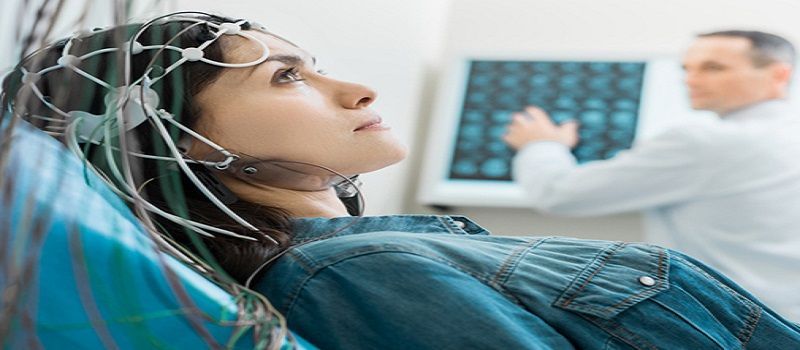
In recent years, the field of neurodiagnostics has witnessed remarkable advancements, transforming the way we understand and diagnose neurological disorders. Neurodiagnostics refers to the use of various techniques and tools to assess and monitor the structure and function of the nervous system. This rapidly evolving field has become instrumental in improving patient care, leading to early detection, accurate diagnosis, and personalized treatment plans. As the demand for better neurological healthcare grows, the Neurodiagnostics Market is experiencing significant expansion and is poised for a promising future.
Unveiling the Scope of Neurodiagnostics:
The neurodiagnostics market encompasses a wide range of techniques, devices, and technologies used for neurological assessment. These include electroencephalography (EEG), magnetoencephalography (MEG), positron emission tomography (PET), computed tomography (CT), magnetic resonance imaging (MRI), and neurodiagnostic software, among others. These tools aid in the detection and evaluation of conditions such as epilepsy, Alzheimer's disease, Parkinson's disease, multiple sclerosis, and various sleep disorders.
Driving Factors:
Rising Prevalence of Neurological Disorders: The global burden of neurological disorders is increasing due to factors such as aging populations and changing lifestyles. Neurodiagnostics plays a crucial role in diagnosing and managing these conditions, driving the demand for advanced diagnostic tools.
Technological Advancements: Recent innovations in neuroimaging and neurodiagnostic techniques have revolutionized the field. High-resolution imaging, functional brain mapping, and real-time monitoring have enhanced diagnostic accuracy and enabled a deeper understanding of complex neurological disorders.
Increasing Healthcare Expenditure: Governments and private entities worldwide are investing heavily in healthcare infrastructure and research and development. This funding boosts the neurodiagnostics market, leading to the development of advanced tools and expanded accessibility.
Growing Awareness and Early Diagnosis: Public awareness regarding neurological disorders has improved significantly, leading to increased early detection and timely intervention. Neurodiagnostics aids in the early identification of disorders, facilitating prompt treatment and improved patient outcomes.
Market Segmentation:
The neurodiagnostics market can be segmented based on technology, end-users, and geography. By technology, the market can be divided into imaging technologies (CT, MRI, PET, etc.) and electrophysiological tools (EEG, MEG, etc.). End-users of neurodiagnostics include hospitals, diagnostic laboratories, research institutes, and ambulatory surgical centers.
Regional Outlook:
North America has traditionally been at the forefront of the neurodiagnostics market, driven by a robust healthcare infrastructure and a significant focus on research and development. However, the Asia-Pacific region is emerging as a rapidly growing market due to increasing healthcare expenditure, a large patient population, and rising awareness about neurological disorders.
Challenges and Opportunities:
While the neurodiagnostics market is flourishing, several challenges need to be addressed. High costs associated with advanced diagnostic tools, limited accessibility in developing regions, and regulatory hurdles pose obstacles to market growth. However, these challenges also present opportunities for innovative solutions, increased collaborations, and the development of cost-effective technologies.
Future Outlook:
The neurodiagnostics market is projected to experience substantial growth in the coming years. Advancements in artificial intelligence (AI), machine learning (ML), and data analytics will further enhance diagnostic accuracy and enable personalized treatment plans. Additionally, the integration of neurodiagnostics with telemedicine and remote patient monitoring will improve access to specialized care, especially in underserved areas.
Conclusion:
Neurodiagnostics has revolutionized the diagnosis and management of neurological disorders, improving patient outcomes and enhancing our understanding of the human brain. With technological advancements, increasing investments, and growing awareness, the neurodiagnostics market is poised for a promising future. This transformative field will continue to play a pivotal role in shaping the future of healthcare, enabling early detection, precise diagnosis, and personalized treatment strategies for individuals with neurological conditions.
Appreciate the creator