Respiratory Specialist in Gurgaon: When Should You See a Lung Specialist?
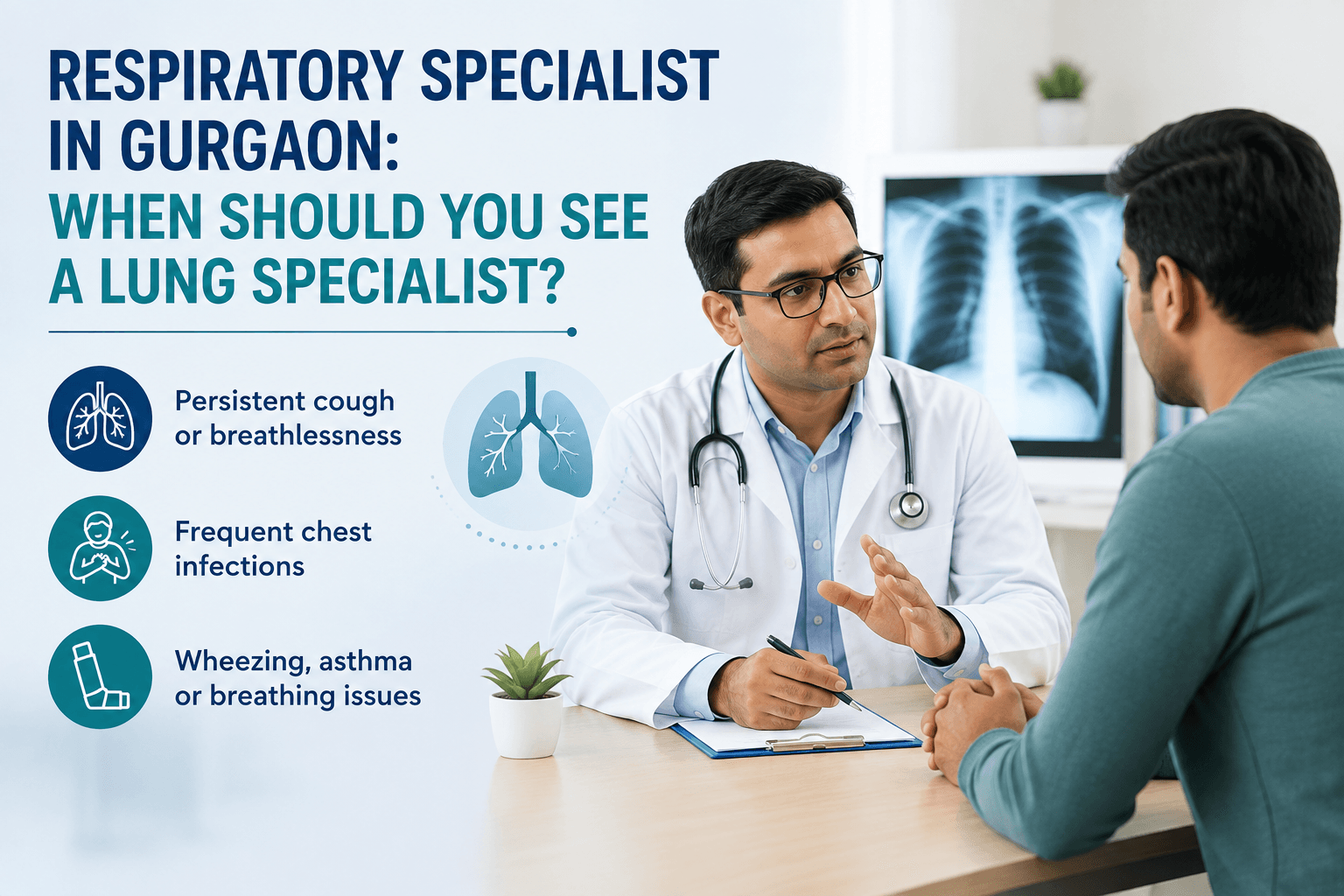
If you have been coughing for weeks, feeling breathless on stairs, or waking up wheezing at night, you may wonder if it's time to see a specialist. Many people wait too long, hoping it will pass. But ongoing breathing issues usually need proper care, not just home remedies.
This guide explains when to see a respiratory specialist in Gurgaon (https://mayomhospital.com/pulmonology) and how the right care helps you breathe easier. At Mayom Hospital, patients often arrive after months of self-treating a cough, only to learn it needed earlier diagnosis. Knowing the warning signs sooner can spare you a lot of discomfort.
What Does a Respiratory Specialist Do?
A respiratory specialist, or pulmonologist, focuses on the lungs and airways. They diagnose and treat asthma, chronic bronchitis, pneumonia, sleep apnea, and lung infections.
Unlike a general physician, a pulmonologist has advanced training in reading lung function tests, chest imaging, and bronchoscopy, helping catch issues a routine check-up might miss.
Common Lung Conditions Treated
Asthma and allergic airway disease
Chronic obstructive pulmonary disease (COPD)
Lung infections such as pneumonia and bronchitis
Tuberculosis
Sleep apnea
Interstitial lung disease
Occupational lung disease from dust or chemicals
Gurgaon's traffic pollution, construction dust, and seasonal smog make respiratory issues fairly common across Gurugram and Haryana, making access to a good pulmonologist especially useful for local families.
Symptoms That Should Not Be Ignored
A cold that clears in a week is usually nothing to worry about. But some symptoms are signals to get checked.
Symptom
When It Becomes a Concern
Cough
Lasts more than 3 weeks
Breathlessness
During normal daily activity
Wheezing
Repeated, especially at night
Chest tightness
With breathing difficulty
Coughing blood
Any amount, any time
Fever with cough
Lasts more than a few days
Why Early Diagnosis Matters
Lung conditions get harder to treat the longer they go unchecked. Unmanaged asthma leads to frequent emergency visits. An untreated infection can spread or turn chronic. Even sleep apnea can raise heart-related risks over time.
A pulmonologist uses spirometry, chest X-rays, CT scans, and sometimes bronchoscopy to get a clear picture instead of relying on guesswork.
Asthma Treatment in Gurgaon (https://mayomhospital.com/pulmonology)
Asthma treatment usually starts with identifying triggers like pollen, dust, pet dander, smoke, or pollution. A specialist will typically:
Run a lung function test to measure airflow
Prescribe inhalers or medication based on severity
Create an action plan for flare-ups
Recommend lifestyle changes to reduce trigger exposure
Adult-onset asthma is more common than people assume, especially in polluted cities. Breathlessness during exercise or cold weather is worth checking rather than dismissing as poor fitness.
Lung Infection Treatment in Gurgaon (https://mayomhospital.com/pulmonology)
Infections range from mild bronchitis to pneumonia. Viral infections often need rest and fluids. Bacterial infections need targeted antibiotics. Severe cases may need hospital admission with oxygen support, while chronic infections like tuberculosis need longer, monitored treatment.
In short: treatment usually involves a clinical exam, chest imaging, and lab tests to identify the cause, followed by antibiotics or antivirals, rest, and follow-up scans to confirm recovery.
Risk Factors Worth Knowing
Smoking, including secondhand smoke
Long-term exposure to pollution or dust
Family history of asthma or lung disease
Frequent childhood respiratory infections
Occupational exposure to chemicals or fumes
Obesity, which affects breathing mechanics
If several apply to you, regular lung check-ups help catch problems early, even before symptoms appear.
Diagnosis: What to Expect
A first visit usually includes a symptom history, physical exam, and often:
Spirometry to measure lung capacity
Chest X-ray or CT scan
Blood tests to check oxygen levels or infection markers
A sleep study if sleep apnea is suspected
None of these are painful, and most results come back within a day or two.
Lifestyle Tips for Better Lung Health
Avoid smoking and secondhand smoke
Wear a mask on high-pollution days, common in Gurugram winters
Keep indoor air clean with proper ventilation
Stay active to build lung capacity
Get vaccinated against flu and pneumonia if advised
Treat allergies promptly instead of letting them linger
When Should You See a Lung Specialist?
See a lung specialist if you have a cough lasting more than three weeks, breathlessness during normal activity, recurring wheezing, chest pain while breathing, or if you cough up blood. Don't wait for symptoms to worsen.
Seek emergency care right away for sudden severe breathlessness, blue lips or fingertips, coughing blood, high fever with chest pain, or rapidly worsening breathing difficulty.
Summary
Breathing problems are easy to dismiss until they affect daily life. A persistent cough, breathlessness during simple tasks, or repeated wheezing are reasons to consult a respiratory specialist. With proper testing and a tailored treatment plan, most lung conditions are manageable, letting you get back to normal activities.
Frequently Asked Questions
How do I know if I need a pulmonologist instead of a general physician?
If your cough lasts more than three weeks, you have recurring breathlessness, or a general physician's treatment hasn't helped, see a pulmonologist. They run detailed lung function tests and imaging beyond a standard check-up, helping pinpoint the exact cause of your symptoms.
Is asthma curable, or only manageable?
Asthma is a long-term condition that is currently manageable but not curable. With the right inhalers, trigger management, and a personalized action plan, most people with asthma live active lives with few flare-ups. Regular follow-up helps keep symptoms under control.
Can air pollution in Gurgaon really affect my lungs?
Yes. Prolonged exposure to traffic fumes, construction dust, and seasonal smog can irritate airways, worsen asthma, and contribute to chronic bronchitis. Wearing a mask on high-pollution days and keeping indoor air clean can meaningfully reduce this risk.
How long does lung infection treatment usually take?
Mild viral infections often clear in one to two weeks with rest and supportive care. Bacterial infections treated with antibiotics typically improve within five to ten days, though full recovery can take a few weeks longer, especially with pneumonia.
What tests will a lung specialist run on my first visit?
Most first visits include a physical exam and symptom history, often with spirometry to check lung function. Depending on symptoms, the doctor may also order a chest X-ray, CT scan, or blood tests to pinpoint the exact cause rather than treating symptoms alone.
Conclusion
Lung health is easy to overlook until breathing becomes a struggle. Persistent cough, breathlessness, or wheezing are the body's way of asking for attention. Getting checked early gives you far more treatment options and a better long-term outcome.
If breathing trouble has been sticking around, consider getting a proper evaluation. The pulmonology team at Mayom Hospital in Gurugram offers thorough lung testing and personalized treatment plans to help you breathe easier and get back to your routine with confidence
Appreciate the creator