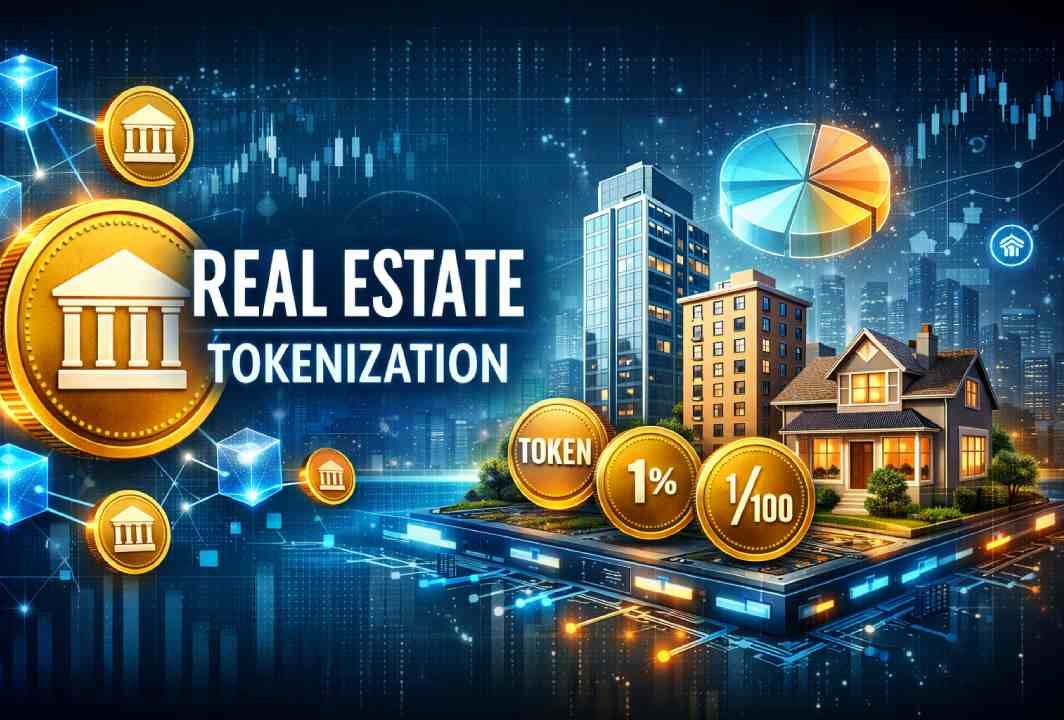
Real Estate Tokenization Platform: The Future of Digital Real Estate Markets
Real estate has always been one of the most valuable asset classes, offering long-term wealth creation opportunities for individuals, businesses, and institutional investors. However, traditional real estate markets continue to face challenges such as high investment barriers, limited liquidity, lengthy transaction processes, and complex ownership structures.
The emergence of blockchain technology is changing how real estate assets are created, managed, and traded. A Real Estate Tokenization Platform enables businesses to convert physical properties into blockchain-based digital assets, allowing fractional ownership, faster transactions, improved transparency, and broader market accessibility.
As Web3 adoption accelerates, real estate tokenization platforms are becoming a critical foundation for building the next generation of digital property markets.
What Is a Real Estate Tokenization Platform?
A Real Estate Tokenization Platform is a blockchain-powered solution that allows businesses to digitize real estate assets by converting ownership rights or economic interests into digital tokens. Each token represents a specific share or value associated with an underlying property, such as:
Residential properties
Commercial buildings
Office spaces
Industrial facilities
Hotels
Rental properties
Land assets
These digital tokens are stored and transferred on blockchain networks, creating a transparent and secure ownership system.
Instead of purchasing an entire property, investors can own fractional shares represented by tokens, making real estate investment more accessible and flexible.
How Real Estate Tokenization Platforms Work
A real estate tokenization platform typically follows a structured process to transform physical properties into digital investment assets.
1. Asset Evaluation and Legal Structuring
Before tokenization, the property undergoes valuation, legal verification, and ownership assessment.
Businesses determine:
Property value
Ownership rights
Revenue model
Token distribution structure
Regulatory requirements
This ensures that the tokenized asset accurately represents the underlying property.
2. Token Creation and Smart Contract Development
Once the asset structure is finalized, blockchain-based tokens are created.
Smart contracts define:
Ownership rights
Token transfer rules
Revenue distribution
Investor restrictions
Compliance requirements
These automated contracts ensure secure and transparent asset management.
3. Investor Onboarding and Token Distribution
Investors complete verification procedures before purchasing property tokens.
The platform manages:
Identity verification
Wallet integration
Token allocation
Investment tracking
This simplifies participation while maintaining regulatory compliance.
4. Asset Management and Secondary Trading
After token issuance, investors can monitor ownership, receive income distributions, and potentially trade tokens through approved marketplaces. Blockchain records every transaction, ensuring a transparent ownership history.
Why Real Estate Markets Need Tokenization
Traditional real estate investment has several limitations:
High Entry Costs
Purchasing property requires significant capital, limiting participation to wealthy individuals and institutions.
Low Liquidity
Selling real estate can take months due to negotiations, legal processes, and market conditions.
Limited Global Access
Investors often face geographical restrictions when accessing international property markets.
Complex Ownership Management
Property transactions involve multiple intermediaries, paperwork, and administrative processes.
Real estate tokenization addresses these challenges by introducing digital ownership models powered by blockchain technology.
Key Benefits of Real Estate Tokenization Platforms
1. Enables Fractional Property Ownership
One of the biggest advantages of tokenization is fractional ownership. A high-value property can be divided into thousands or millions of digital tokens, allowing multiple investors to own portions of the asset.
Benefits include:
Lower investment barriers
Increased investor participation
Portfolio diversification
Wider market accessibility
Fractional ownership transforms real estate from an exclusive asset class into a more inclusive investment opportunity.
2. Improves Real Estate Liquidity
Real estate is traditionally considered an illiquid asset because transactions require significant time and effort. Tokenization improves liquidity by enabling digital ownership transfers through blockchain-based platforms.
Investors can access:
Faster transaction processing
Digital asset marketplaces
Simplified ownership transfers
This creates a more efficient real estate trading ecosystem.
3. Expands Global Investment Opportunities
A real estate tokenization platform allows investors from different regions to participate in property markets without traditional geographical limitations. Businesses can attract international investors by offering digitally accessible property investment opportunities. This creates a global marketplace where real estate assets can reach a broader audience.
4. Enhances Transparency and Security
Blockchain technology provides an immutable record of ownership and transactions.
Investors and businesses can verify:
Property ownership history
Token transfers
Investment records
Revenue distributions
This transparency reduces fraud risks and improves investor confidence.
5. Reduces Transaction Complexity
Traditional property transactions involve brokers, banks, legal professionals, and administrative processes. Tokenization simplifies many of these activities through blockchain automation.
Smart contracts can manage:
Ownership transfers
Payment processing
Compliance verification
Revenue sharing
This reduces delays and operational costs.
6. Creates New Revenue Models
Real estate tokenization enables businesses to explore innovative monetization strategies.
Examples include:
Rental income sharing
Property-backed investment tokens
Real estate funds
Development project financing
Asset-backed digital securities
These models provide additional opportunities for property owners and developers.
Essential Features of a Real Estate Tokenization Platform
A scalable platform should include several important components:
Smart Contract Infrastructure
Automates ownership management, transactions, and revenue distribution.
Token Issuance Engine
Allows businesses to create and manage property-backed digital tokens.
Investor Management System
Provides investor onboarding, verification, and portfolio tracking.
Digital Wallet Integration
Enables secure storage and transfer of tokenized assets.
Compliance Management
Supports KYC, AML, regulatory reporting, and investor eligibility checks.
Secondary Marketplace
Allows investors to trade eligible real estate tokens and improve liquidity.
Analytics Dashboard
Provides insights into asset performance, investor activity, and transactions.
Business Use Cases of Real Estate Tokenization Platforms
Real Estate Developers
Developers can raise capital for new projects by offering fractional ownership opportunities.
Property Management Companies
Companies can digitize rental portfolios and automate revenue distribution.
Investment Firms
Funds can create diversified tokenized real estate portfolios.
Commercial Property Owners
Businesses can unlock liquidity from valuable properties without selling complete ownership.
Hospitality Businesses
Hotels and resorts can tokenize ownership shares to attract global investors.
Challenges in Real Estate Tokenization Adoption
Despite its advantages, businesses must address several challenges.
Regulatory Uncertainty
Property laws and digital asset regulations vary across jurisdictions.
Legal Ownership Frameworks
Businesses must ensure token ownership aligns with recognized property rights.
Market Education
Investors need greater awareness of blockchain-based real estate models.
Technology Security
Platforms require strong cybersecurity, smart contract audits, and secure infrastructure.
Future of Digital Real Estate Markets
The future of real estate is moving toward digitally enabled ownership ecosystems.
Emerging developments include:
AI-powered property valuation
Blockchain-based global property marketplaces
Automated rental management systems
Integration with decentralized finance (DeFi)
Digital property identities
Cross-border real estate investment networks
As blockchain infrastructure becomes more mature, real estate tokenization platforms are expected to become a standard method for managing and investing in property assets.
Conclusion
A Real Estate Tokenization Platform represents the future of digital real estate markets by transforming traditional properties into secure, accessible, and programmable digital assets. Through fractional ownership, improved liquidity, global investor access, and blockchain-powered transparency, tokenization is reshaping how businesses and investors interact with real estate. As Web3 adoption continues to grow, companies that embrace real estate tokenization will be better positioned to unlock new investment opportunities, streamline asset management, and participate in the next evolution of global property markets.
Appreciate the creator