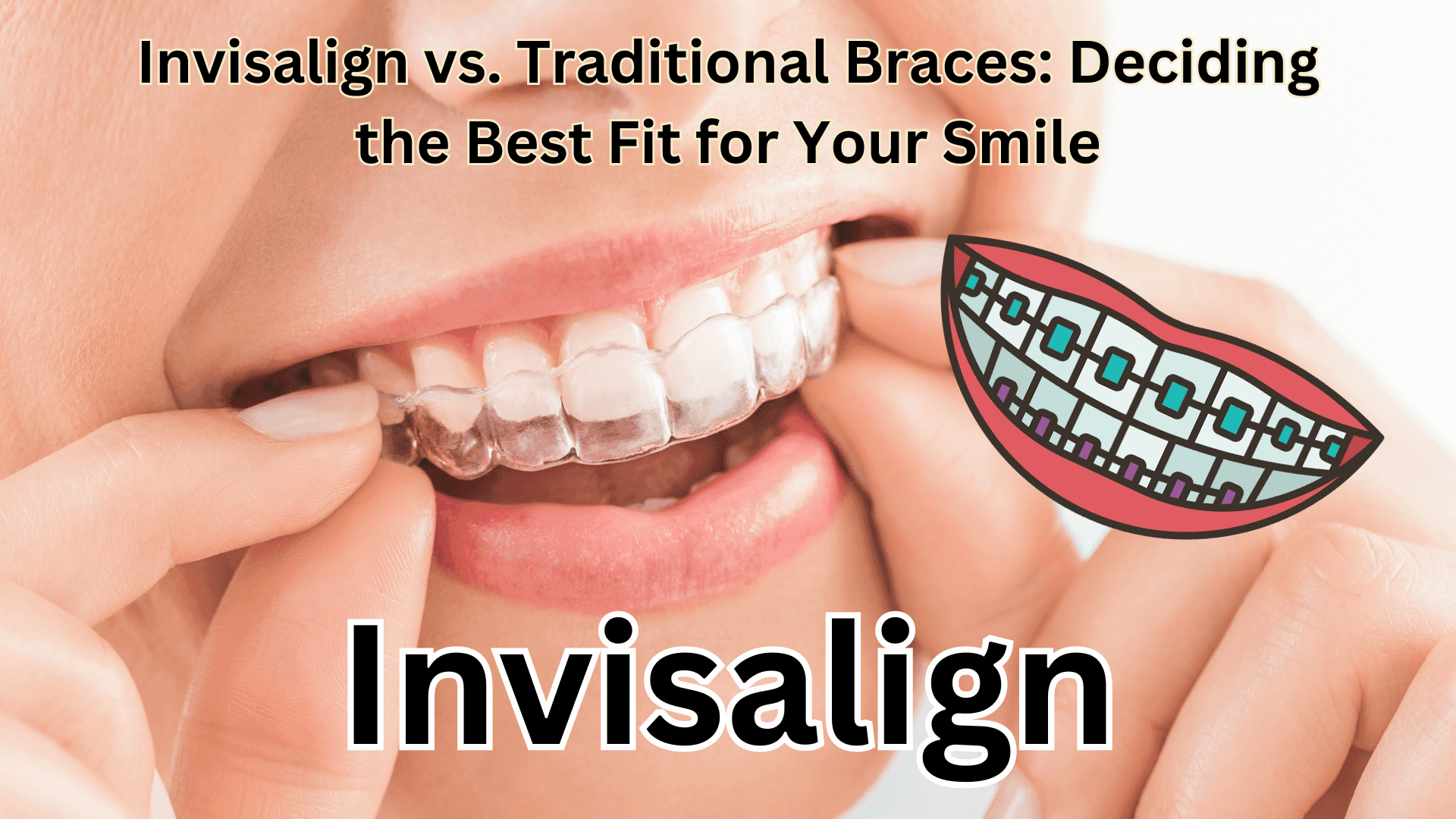
Orthodontist vs. Dentist: Which One Do You Need?
When it comes to maintaining your dental health, you might be wondering, "Orthodontist or Dentist - which one do I need?" Both orthodontists and dentists are highly skilled professionals in the field of dentistry, but they have distinct areas of expertise. In this article, we'll delve into the differences between these two specialists and help you understand when and why you should seek their professional care.
When to Consult an Orthodontist
Orthodontists are experts in diagnosing, preventing, and treating dental and facial irregularities. If you experience any of the following conditions, it's time to schedule an appointment with an orthodontist:
Crooked or Crowded Teeth - Crooked or crowded teeth can impact not only your smile but also your overall oral health. Orthodontists can provide solutions to align your teeth properly.
Overbite or Underbite - Overbites and underbites can lead to discomfort and aesthetic concerns. Orthodontists specialize in correcting these issues.
Crossbite - A crossbite can affect your bite and jaw alignment. Orthodontists can help address this problem.
Gaps Between Teeth - Gaps between your teeth can be a source of self-consciousness. Orthodontists offer treatments to close these gaps.
Jaw Problems - If you're experiencing jaw pain or discomfort, an orthodontist can diagnose and treat the issue.
Temporomandibular Joint (TMJ) Disorders - TMJ disorders can lead to pain and difficulty in jaw movement. Orthodontists are skilled in managing these conditions.
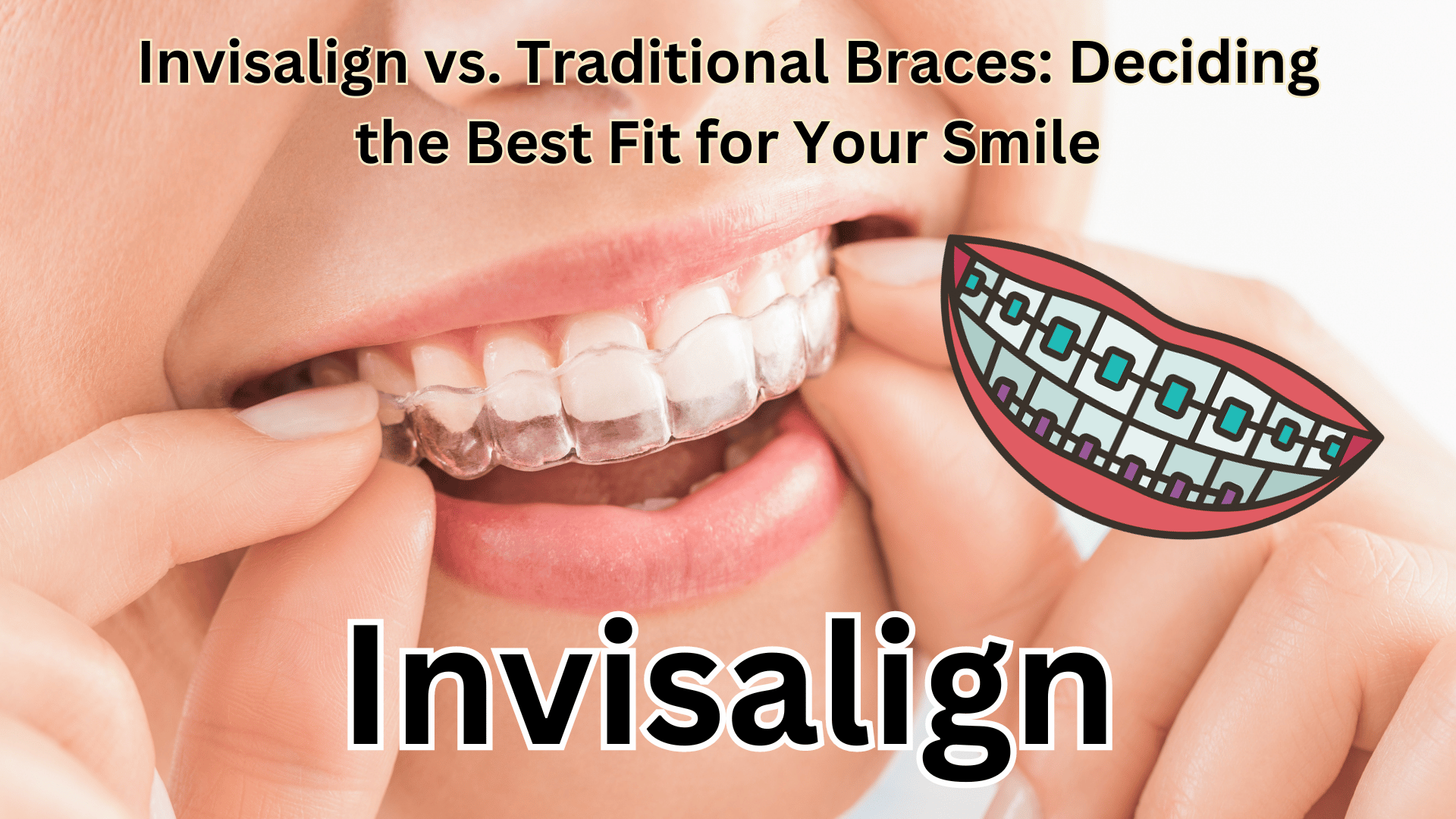
Orthodontists employ various methods to treat these conditions, including braces, Invisalign, and other corrective appliances. These solutions are tailored to each patient's unique needs.
When to Visit a Dentist
Dentists are your go-to professionals for a wide range of oral health services. They specialize in general dentistry, preventive care, restorative dentistry, and cosmetic dentistry. Here are some reasons to see a dentist:
Toothache - If you're experiencing a toothache, it's crucial to consult a dentist. They will identify the source of the pain and recommend appropriate treatment.
Sensitivity to Hot or Cold Foods and Drinks - Tooth sensitivity can be bothersome. Dentists can determine the cause and provide solutions to alleviate discomfort.
Bleeding or Swollen Gums - Gum issues can indicate various oral health problems. Dentists can assess the condition of your gums and recommend necessary treatments.
Loose or Missing Teeth - Dentists can help you address issues related to loose or missing teeth, whether through restorative procedures or replacements like implants.
Cavities - Cavities can lead to more severe dental problems if left untreated. Dentists are experts at detecting and treating cavities.
Gum Disease - Gum disease can have detrimental effects on your oral health. Dentists can provide effective treatments to manage and alleviate gum disease.
Oral Cancer - Regular checkups with a dentist are essential for the early detection of oral cancer. Dentists can perform thorough examinations to identify any signs of concern.
Deciding Between an Orthodontist and a Dentist
If you're unsure whether you should consult an orthodontist or a dentist, it's generally recommended to start with a visit to your dentist. Your dentist can assess your overall oral health and provide guidance on whether you require specialized orthodontic care. If necessary, your dentist can refer you to an orthodontist for further evaluation and treatment.
Key Differences at a Glance
Here's a summary of the key distinctions between orthodontists and dentists:
Characteristic
Orthodontist
Dentist
Area of Expertise
Diagnosis, prevention, and treatment of dental and facial irregularities
General dentistry, preventive care, restorative dentistry, and cosmetic dentistry
Common Procedures
Braces, Invisalign, and other corrective appliances
Fillings, crowns, bridges, root canals, and extractions
Typical Patients
Patients with crooked or crowded teeth, overbites, underbites, crossbites, gaps between teeth, jaw problems, and TMJ disorders
Patients of all ages who need regular dental checkups and cleanings, as well as treatment for toothaches, sensitivity, bleeding or swollen gums, loose or missing teeth, cavities, gum disease, and oral cancer
Both orthodontists and dentists play crucial roles in maintaining your oral health. They work together to ensure you receive comprehensive dental care. When you're uncertain about whether you need an orthodontist or a dentist, remember that your dentist is your first point of contact. They will guide you on the most appropriate path to achieve and maintain a healthy and beautiful smile.
Appreciate the creator