Organic Cotton vs. Polyester vs. Blends: What Clothing Brands Should Choose
One of the most important decisions a clothing brand must make is selecting the right fabric. Material choice affects comfort, performance, longevity, sustainability, and even brand identity. Whether you work with Pakistan clothing manufacturers, source from wholesale streetwear Pakistan, or collaborate with a specialist like a t shirt manufacturer in Pakistan, understanding the strengths and limitations of each fabric ensures smarter product development.
Among the most commonly used options today are organic cotton, polyester, and cotton–polyester blends. Each fabric has unique qualities that make it suitable for different types of apparel—from streetwear to activewear to premium basics. This comprehensive guide breaks down the science, performance traits, sustainability profile, and ideal use cases of these three popular fabric choices.
1. Organic Cotton: Natural, Breathable & Eco-Focused
Organic cotton is one of the most valued natural fibers in the global apparel industry. Grown without harmful pesticides, synthetic fertilizers, or genetically modified seeds, it is often preferred by sustainable fashion brands.
Why Organic Cotton Is Popular
Soft and breathable: Ideal for everyday wear
Hypoallergenic: Suitable for sensitive skin
Eco-friendly cultivation: Uses less water and avoids chemicals
Biodegradable: Minimizes environmental impact
Organic cotton is frequently used for premium basics, children's clothing, sustainable streetwear, and lifestyle apparel. Many brands that partner with a t shirt manufacturer in Pakistan choose organic cotton for its comfort and natural feel.
Limitations of Organic Cotton
While organic cotton offers sustainability and comfort, it does have challenges:
Higher production cost
More prone to shrinking
Less moisture-wicking
Lower durability compared to synthetics
Not ideal for high-performance sportswear
This makes it best for casual, relaxed, or eco-conscious collections rather than intense athletic activity.
2. Polyester: Durable, Quick-Drying & Performance Driven
Polyester is a synthetic fiber engineered for strength, shape retention, and moisture management. It has become a global leader in sportswear and performance apparel.
Key Benefits of Polyester
Exceptional durability
High resistance to shrinking and stretching
Quick-dry and moisture-wicking
Lightweight and long-lasting
Low cost and easy care
This makes polyester the top choice for activewear, outerwear, sublimation printing, and technical sports uniforms. Many international brands work with sportswear manufacturers in sialkot, known for their expertise in polyester-based sports kits.
Limitations of Polyester
Despite its performance advantages, polyester has a few setbacks:
Less breathable than natural fibers
Can feel synthetic against the skin
Not biodegradable
May trap odors
Nevertheless, for high-performance gear, polyester remains unmatched in durability and function.
3. Cotton–Polyester Blends: The Best of Both Worlds
Blended fabrics combine the softness of cotton with the strength and technical benefits of polyester. One of the most common blends is 80/20 or 60/40 cotton–polyester.
Why Brands Choose Blends
Breathable but durable
Soft yet wrinkle-resistant
Affordable with balanced performance
Less shrinkage and easier care
Good for printing, embroidery, and sublimation (poly-heavy blends)
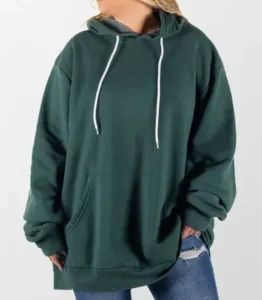
Blends are perfect for brands targeting comfort with a modern performance edge. Many hoodie collections developed with a Pakistan hoodie manufacturer use cotton–poly blends to ensure both softness and long-lasting structure.
Popular Use Cases
Hoodies and sweatshirts
Streetwear collections
Casualwear
Lightweight sportswear
Uniforms and teamwear
Blends allow brands to offer style and durability without sacrificing affordability.
4. Sustainability: Organic Cotton vs. Polyester vs. Blends
Sustainability plays a big role in fabric selection, especially for brands marketing ethical or eco-friendly apparel.
Organic Cotton Sustainability
Grown without chemicals
Lower environmental toxicity
Biodegradable
Supports regenerative farming
However, organic cotton often requires more land and specific growing conditions, which can increase cost.
Polyester Sustainability
Traditional polyester is petroleum-based and not biodegradable. However, the rising use of recycled polyester (rPET) significantly improves its sustainability profile.
Blends Sustainability
Blended fabrics provide comfort and durability but are harder to recycle due to mixed fiber content. They are ideal for longevity-focused brands but not for closed-loop recycling systems.
For brands working with environmentally conscious manufacturers, such as activewear clothing manufacturer partners, choosing recycled polyester or organic cotton can support sustainability goals.
5. Performance Comparison: Which Fabric Performs Best?
Different activities require different performance characteristics. Here’s a detailed breakdown of where each fabric excels:
For Breathability
Best: Organic Cotton
Good: Cotton–Poly Blend
Moderate: Polyester
For Durability
Best: Polyester
Good: Blends
Moderate: Organic Cotton
For Sports & High Sweat Activities
Best: Polyester
Good: Blends
Weak: Organic Cotton
For Streetwear & Casual Apparel
Best: Blends
Good: Organic Cotton
Good: Polyester (for performance streetwear)
Brands sourcing from wholesale streetwear pakistan often select blends for hoodies, joggers, and tees due to the balance of comfort and lasting quality.
6. Cost Comparison: Budget vs. Premium Options
Price is a major deciding factor for emerging and established brands alike.
Organic Cotton: Most expensive due to sustainability certification and slow cultivation
Polyester: Most affordable; widely available and scalable
Blends: Mid-range, offering good value
For large-volume basics like tees and hoodies, a t shirt manufacturer in pakistan and a pakistan hoodie manufacturer can offer cost-effective blend options that maintain quality.
7. Printing & Decoration Compatibility
Fabric choice directly influences printing results:
Organic Cotton
Ideal for screen printing
Works with DTG (Direct-to-Garment)
Produces rich, vibrant colors
Polyester
Best for sublimation printing
Excellent for sports graphics and team uniforms
Blends
Compatible with screen printing
Suitable for DTG and some sublimation (depending on polyester percentage)
This is why many brands producing activewear, team uniforms, or performance streetwear choose polyester-heavy blends from specialized sportswear manufacturers in sialkot.
8. What Clothing Brands Should Choose: Final Recommendations
Fabric selection should depend on your brand identity, target customers, and product category. Here are tailored recommendations:
Choose Organic Cotton If Your Brand Values:
Sustainability
Soft, natural feel
Premium casualwear
Eco-conscious consumer loyalty
Choose Polyester If You Need:
Performance sportswear
Moisture management
Durability
Sublimation-printed apparel
Choose Blends If You Want:
The perfect balance of comfort and performance
Versatility for hoodies, tees, and streetwear
Lower shrinkage and better durability
Affordable but high-quality options
For multi-category brands working with diverse partners such as pakistan clothing manufacturers, an activewear clothing manufacturer, or wholesale streetwear pakistan suppliers, selecting different fabrics for different product lines is often the best strategy.
Appreciate the creator