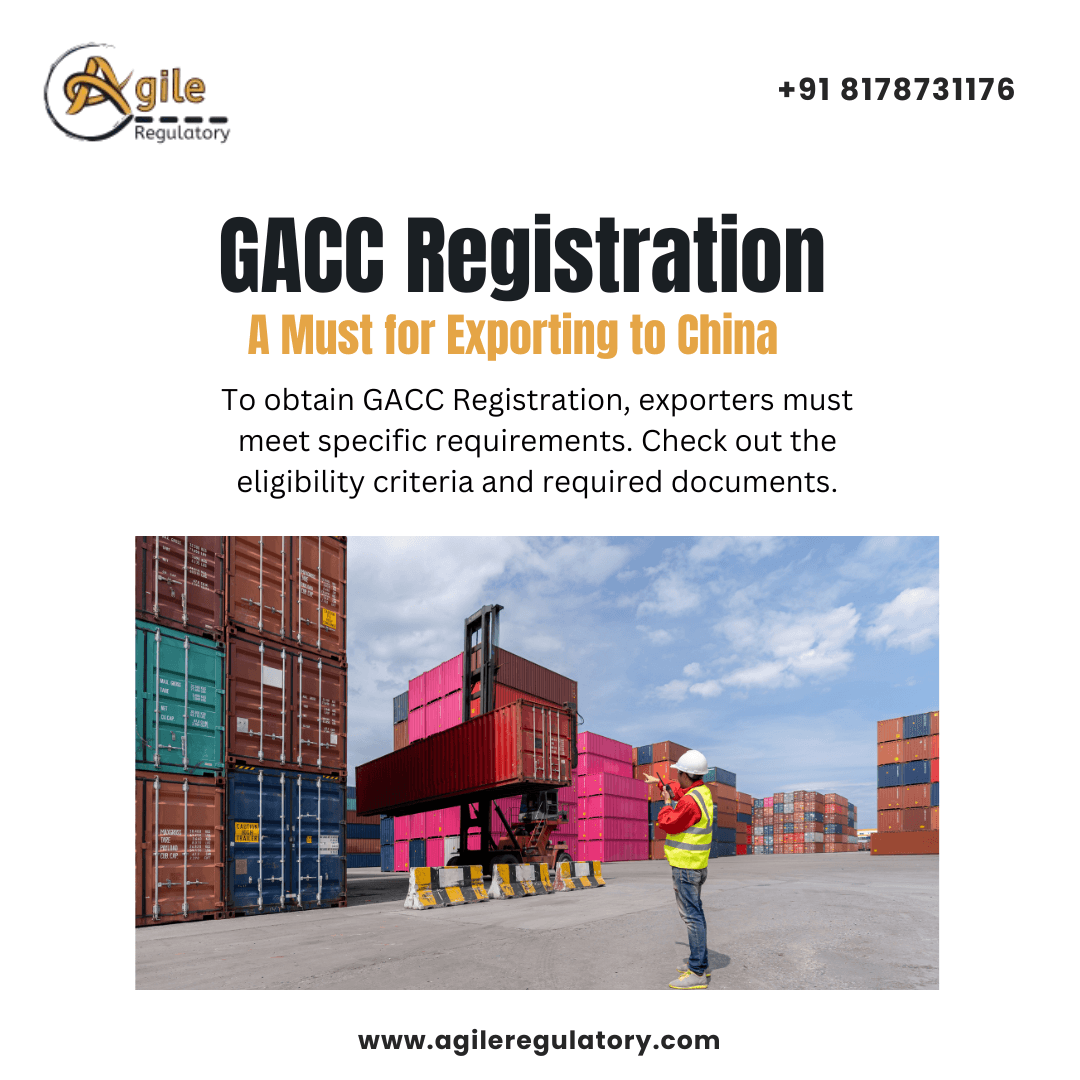
Optimizing Your Export Strategy: Leveraging Market Access for Growth in Asia's Largest Economy.
In today’s globalized world, Asia—particularly China—stands as one of the most lucrative and expansive markets for exporters. As the largest economy in Asia and the second-largest globally, China offers unparalleled opportunities for businesses seeking international expansion. However, the road to successful exports is not just about shipping goods—it’s about creating a smart export strategy that includes deep market understanding, regulatory preparedness, and adaptive logistics.
Understanding Market Dynamics in Asia’s Powerhouse
China’s consumer base is massive and increasingly diverse. From tech and electronics to agro-based goods, pharmaceuticals, and luxury items, demand in China spans across sectors. Yet, entering the Chinese market requires more than just identifying demand—it requires understanding consumer behavior, local competition, pricing expectations, and cultural nuances.
Exporters need to tailor their products to meet Chinese preferences. For instance, packaging design, labeling (often in Mandarin), and product quality expectations play a critical role in acceptance. Further, aligning with government policies, such as those supporting green and high-tech imports, can give businesses an edge over competitors.
Regulatory Readiness: A Key to Market Entry
One of the most underestimated aspects of exporting to China is regulatory compliance. Chinese customs and import controls are rigorous. Exporters must secure certifications such as the GACC Registration (General Administration of Customs China), CIQ clearance (China Inspection and Quarantine), and product-specific conformity marks. Without these, goods are often held up at ports or rejected altogether.
It is vital for exporters to understand the sector-specific standards applicable to their products. For example, food and beverage items require strict hygiene certifications, labeling standards, and origin documentation. Medical devices and cosmetics need to go through mandatory testing and approvals by Chinese authorities.
A lack of familiarity with these regulations can delay shipments, increase costs, or even permanently block access to the Chinese market. Therefore, businesses must treat compliance as a core component of their export strategy.
Strategic Logistics and Local Partnerships
Once compliance is ensured, the focus must shift to logistics and distribution. Choosing the right ports, understanding regional trade zones (like the Greater Bay Area), and forming partnerships with local agents or distributors can dramatically impact your success in China.
Digital platforms like Alibaba, JD.com, and cross-border e-commerce channels also provide faster routes for product visibility and consumer reach. However, even for online sales, regulatory clarity and customs registration are essential.
Leveraging Government Incentives and Trade Bodies
Many governments, including India’s, offer export incentives under schemes like MEIS/RODTEP or help via export promotion councils such as APEDA, CAPEXIL, and PHARMEXCIL. Leveraging these not only reduces costs but also connects businesses with verified buyers and trade fairs in China. Staying involved with such schemes ensures businesses remain competitive and visible in foreign markets.
Agile Regulatory: Your Export Compliance Partner
At Agile Regulatory, we help businesses unlock the full potential of the Chinese market by offering expert support in GACC registration, product certification, and export documentation. Our consultants specialize in navigating complex regulatory landscapes, ensuring that your goods meet Chinese import norms without delays. With a focus on speed, accuracy, and end-to-end service, Agile Regulatory empowers exporters to enter China confidently and compliantly. Expand globally with a team that knows how to keep you ahead of the curve.
Appreciate the creator