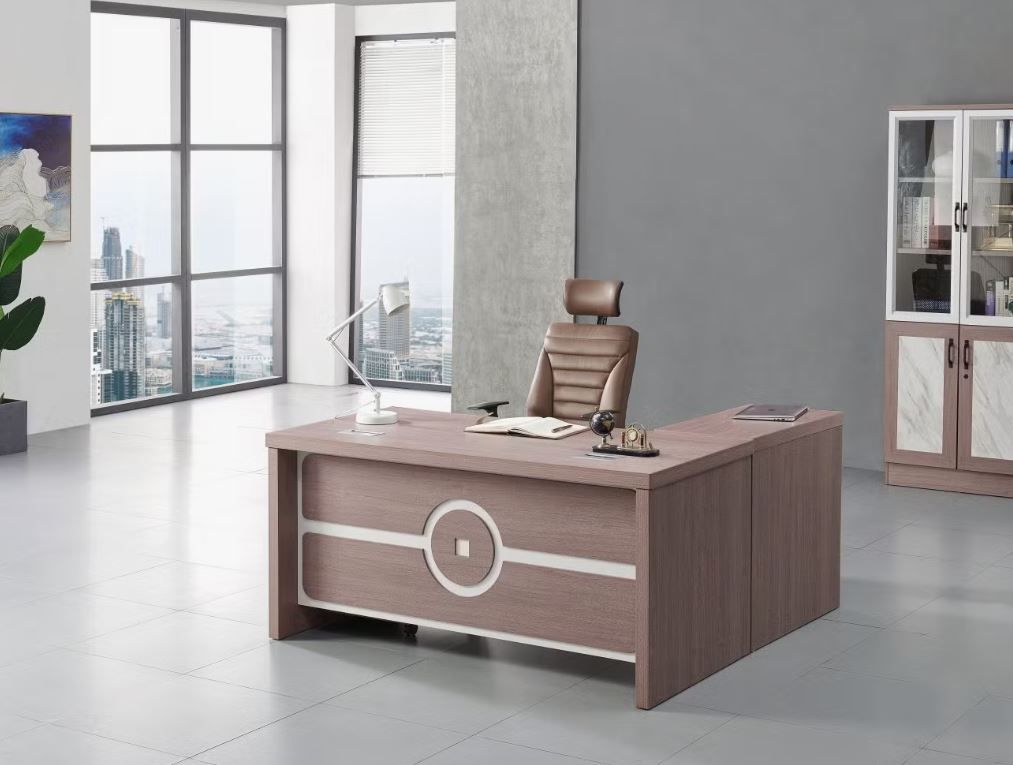
Office furniture buying guide for productive workplaces
Office furniture plays a central role in shaping how efficiently a workplace operates and how comfortably employees perform their daily tasks. When selecting pieces for an office environment, it is important to think beyond appearance and focus on functionality, durability, and long-term usability. A well-planned selection of desks, chairs, storage units, and meeting setups directly influences productivity, posture, and workflow efficiency. Poorly chosen items can lead to discomfort, clutter, and reduced performance over time.
Modern businesses now view office spaces as strategic assets rather than just physical locations. This shift has increased demand for practical, adaptable, and space-conscious furniture solutions. Whether setting up a new office or upgrading an existing one, understanding how each piece contributes to overall workflow is essential. From executive desks to collaborative workstations, every element should support smooth communication and organized task management. A thoughtful approach ensures that the workplace remains both functional and comfortable for employees at all levels.
Selecting materials and durability for long-term use
When choosing office setups, material quality should always be a top priority. Furniture used in busy environments must withstand daily wear and tear without losing structural integrity or visual appeal. Solid wood, engineered wood, metal frames, and high-quality laminates are commonly used options that offer varying levels of strength and aesthetic value. Each material has its own advantages depending on the office environment and budget requirements.
Durability is especially important in shared workspaces where furniture is frequently used by multiple employees. Items like desks and chairs should be resistant to scratches, moisture, and weight pressure. Investing in durable solutions may seem costly initially, but it reduces replacement and repair expenses in the long run. Additionally, well-built furniture maintains a professional appearance, which contributes positively to client impressions and employee satisfaction. A careful balance between cost and quality ensures that the workspace remains functional for years without frequent upgrades.
Ergonomic design and employee comfort considerations
Comfort is one of the most important factors in any workplace environment. Ergonomically designed furniture supports natural posture, reduces physical strain, and enhances overall productivity. Adjustable chairs with lumbar support, properly aligned desks, and monitor stands all contribute to a healthier working posture. Employees who work in comfortable conditions are less likely to experience fatigue or repetitive strain injuries.
Ergonomics is not just about seating; it also includes desk height, leg space, and the positioning of essential tools. A well-designed workstation allows employees to move freely without discomfort or restriction. Over time, this leads to improved concentration and reduced absenteeism caused by physical stress. Businesses that prioritize ergonomic setups often see a noticeable improvement in employee performance and morale. Investing in comfort is therefore not just a design choice but a strategic decision that directly impacts workplace efficiency and satisfaction.
Space planning and office layout efficiency
Effective space planning is essential for creating an organized and productive work environment. The way furniture is arranged influences movement flow, communication, and overall workspace efficiency. Overcrowded offices can feel stressful and limit productivity, while well-structured layouts promote clarity and ease of access. Proper spacing between desks, meeting areas, and storage units ensures that employees can move comfortably without unnecessary interruptions.
A good layout also considers collaboration needs. Open-plan areas may encourage teamwork, while private cabins support focused tasks. Modular furniture solutions are particularly useful because they can be rearranged as business needs evolve. This flexibility allows organizations to adapt without major redesign costs. Thoughtful planning also ensures better utilization of available space, making even smaller offices feel more open and functional. Strategic placement of furniture contributes significantly to maintaining a balanced and efficient working environment.
Workplace storage and organization solutions
Storage is a critical component of any well-functioning office. Without proper organization systems, even the most modern workspace can become cluttered and inefficient. Cabinets, drawers, shelves, and filing systems help maintain order and ensure that important documents and supplies are easily accessible. A well-organized environment reduces time wasted searching for materials and improves overall workflow.
Modern storage solutions are designed to be both functional and space-saving. Vertical storage units, mobile pedestals, and multi-purpose cabinets help maximize available space without overcrowding the office. Digital integration has also reduced paper dependency, but physical storage remains essential for many industries. A structured approach to organization creates a cleaner, more professional environment that enhances focus and reduces workplace stress. Maintaining order through smart storage solutions is key to sustaining long-term productivity.
Maintenance and long-term value considerations
Regular maintenance plays an important role in extending the lifespan of office setups. Cleaning surfaces, tightening fittings, and checking structural stability help preserve both appearance and functionality. Well-maintained furniture not only lasts longer but also maintains a professional image for clients and visitors. Preventive care reduces the need for frequent replacements, saving costs over time.
Long-term value should always be considered when making purchasing decisions. Cheaper alternatives may seem attractive initially, but they often wear out quickly and require frequent repairs. High-quality options provide better returns by lasting longer and maintaining usability under continuous use. Businesses should view furniture as an investment rather than an expense. Proper care, combined with smart purchasing decisions, ensures that the workspace remains efficient, comfortable, and visually appealing for years.
Conclusion: building a better workspace with Office furniture express
Creating a productive and comfortable workplace requires careful attention to design, material quality, ergonomics, and space utilization. Every element contributes to the overall efficiency and satisfaction of employees. A well-planned environment supports better performance, improved organization, and a positive working atmosphere. Choosing reliable solutions from Office furniture express ensures that businesses can build professional, durable, and functional office spaces that meet long-term needs while maintaining comfort and efficiency.
Appreciate the creator