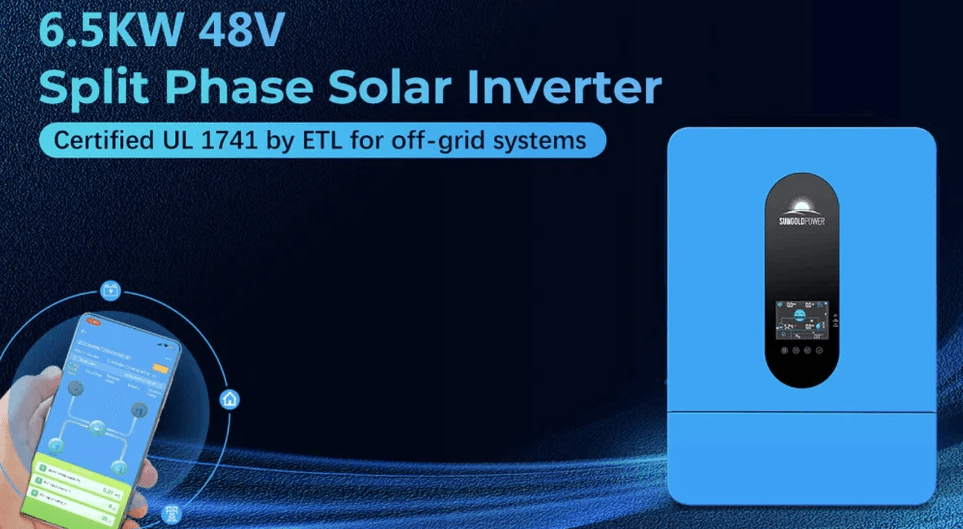
Off-Grid Inverters vs Solar Generators: What Works Best for 24/7 Power?
As more people in the USA look for ways to reduce reliance on the grid, many are exploring options to power their homes, cabins, or RVs independently. Two popular solutions are off-grid inverters and solar generators. But which one is best for providing reliable 24/7 power? Let’s break it down.
What Is an Off-Grid Inverter?
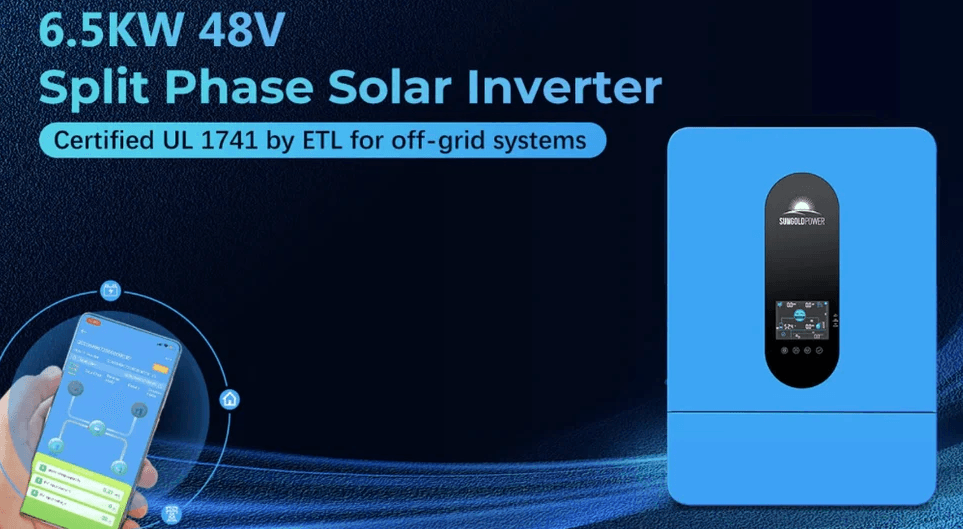
An off-grid inverter is a device that converts stored energy, usually from batteries, into electricity that your home or devices can use. People use it in situations where connecting to the main electricity grid isn’t practical, like remote cabins, tiny homes, or off-grid solar setups.
The inverter works with solar panels or other renewable sources to store energy in batteries, ensuring you have electricity even when the sun isn’t shining. For many, it’s a key component of a fully independent home energy system.
What Is a Solar Generator?
A solar generator is essentially a portable all-in-one unit that includes solar panels, a battery, and an inverter. It captures sunlight, stores electricity, and powers devices without needing a complex setup. Many people like solar generators for their portability, ease of use, and low maintenance.
Solar generators work well for small-scale energy needs, such as RV trips, weekend cabins, or emergency backup power during storms or blackouts.
Comparing 24/7 Power Capabilities
1. Energy Storage and Capacity
Off-grid inverters are typically paired with large battery banks, which means they can store enough electricity to power a full home around the clock. Solar generators, on the other hand, have limited battery capacity, which makes them ideal for short-term use but less reliable for continuous 24/7 power.
2. Scalability
One big advantage of off-grid inverters is scalability. People can add more batteries or solar panels to increase capacity as their energy needs grow. Solar generators are mostly fixed in size, so expanding their power output often requires buying a new unit.
3. Cost Considerations
Off-grid inverters generally have a higher upfront cost because of the batteries and setup required. However, for long-term, full-home energy independence, they can be more cost-effective than running multiple solar generators. Solar generators are cheaper and simpler to start with but may not meet a whole household’s energy demands over time.
4. Reliability and Usage
People who live in areas with variable sunlight or harsh weather often prefer off-grid inverters because they can store large amounts of energy and provide consistent power. Solar generators work best in sunny regions or as supplemental power.
Who Should Choose What?
Off-grid inverter: Best for homeowners or off-grid enthusiasts who want full independence from the grid, plan to power multiple appliances, and are ready for a more complex setup.
Solar generator: Ideal for RV owners, weekend cabins, or people needing backup power for essentials like lights, phones, and small appliances.
Real-Life Experiences
Jessica, who lives in a remote area in Montana, shares:
"Our off-grid inverter system keeps our home running even during snowstorms when the sun barely shines. It’s a bigger investment, but it’s worth it for peace of mind."
Meanwhile, Tom, an RV traveler in Arizona, says:
"I love my solar generator. It’s portable, easy to use, and keeps my fridge and lights running during road trips. For short-term power, it’s perfect."
Final Thoughts
If your goal is true 24/7 power for your home, an off-grid inverter paired with solar panels is usually the best solution. For portability and short-term use, a solar generator does the job well.
Ultimately, the choice depends on your lifestyle, energy needs, and how much independence you want from the grid. With the right setup, both solutions can help people in the USA embrace cleaner, more reliable energy.
Appreciate the creator