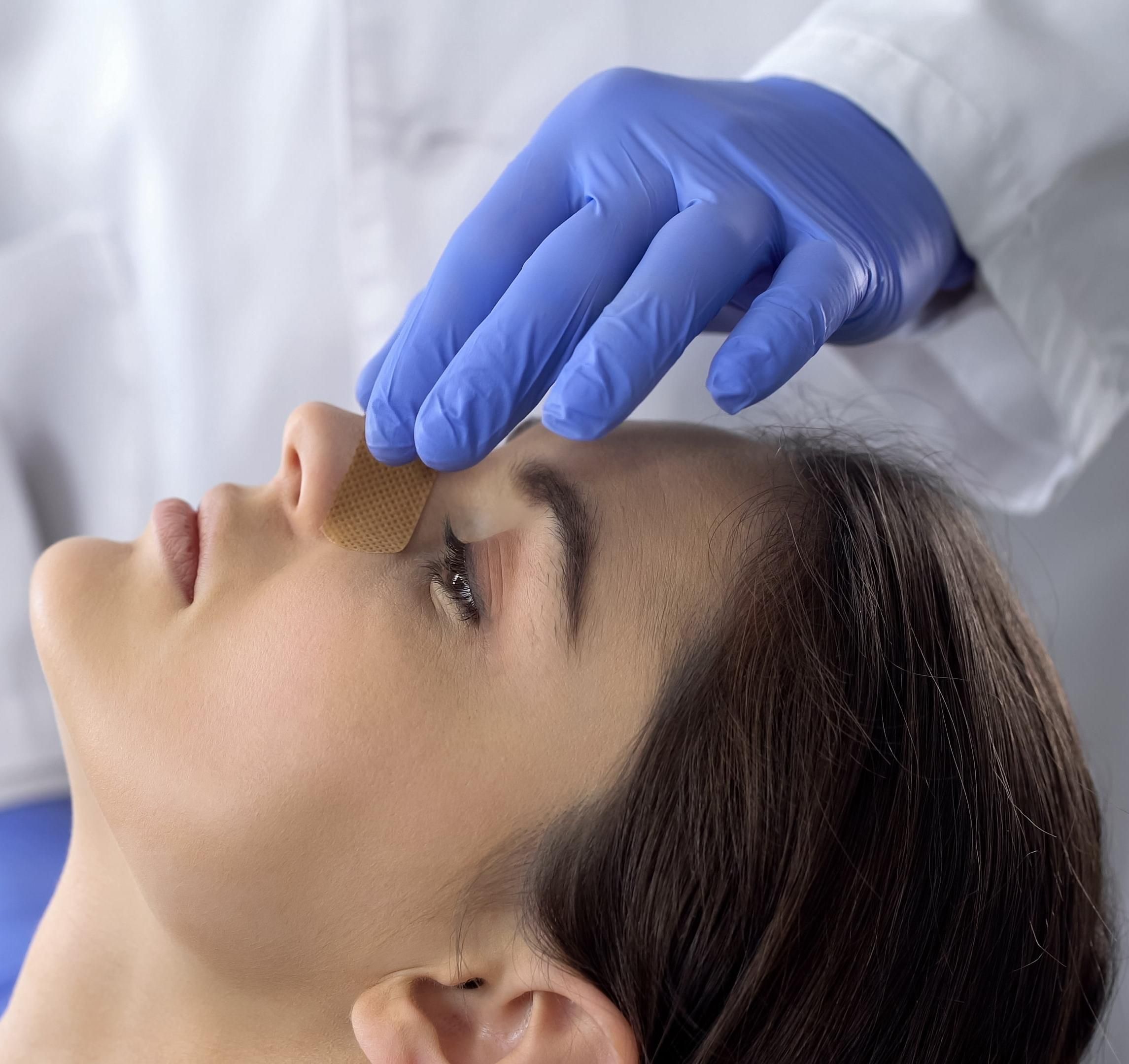
Non-Surgical vs. Surgical Rhinoplasty in Islamabad: Which is Right for You?
Rhinoplasty has become one of the most in-demand cosmetic procedures worldwide, and Pakistan is no exception. Many individuals are seeking ways to reshape, refine, or correct their nose to improve facial harmony and boost self-confidence. Whether you are aiming for a subtle enhancement or a dramatic change, understanding the difference between non-surgical and surgical options is crucial. If you are considering Rhinoplasty in Islamabad, this comprehensive guide will help you make an informed decision about which type suits your needs, expectations, and lifestyle.
What Is Rhinoplasty?
Rhinoplasty refers to procedures performed to alter the shape, size, or functionality of the nose. Traditionally, rhinoplasty was only done through surgery, but modern advancements now allow for non-surgical alternatives using injectable fillers. Both procedures aim to enhance facial balance, correct irregularities, or resolve breathing difficulties, but they differ greatly in method, cost, permanence, and recovery time.
Surgical Rhinoplasty Explained
Procedure Overview
Surgical rhinoplasty involves modifying the nasal bone and cartilage structure through either an open or closed surgical technique. It is performed under anesthesia and requires precise surgical planning by an expert plastic or cosmetic surgeon.
Benefits of Surgical Rhinoplasty
Permanent and highly customizable results
Ability to correct medical issues such as a deviated septum or nasal obstructions
Ideal for reducing, reshaping, or reconstructing the nose
Suitable for patients who want major structural changes
Limitations
Involves downtime and a recovery phase, typically lasting several weeks
Higher upfront cost compared to non-surgical procedures
Mild discomfort, swelling, and bruising are expected post-surgery
Ideal Candidates
You may be a good candidate for surgical rhinoplasty if you:
Want long-lasting or permanent results
Need significant reshaping involving bone or cartilage
Have trouble breathing due to nasal deformities
Are mentally and physically prepared for surgery
Non-Surgical Rhinoplasty Explained
Procedure Overview
Non-surgical rhinoplasty uses dermal filler injections to redefine nasal contours. It does not involve incisions, anesthesia, or downtime, making it an attractive option for those seeking temporary or subtle improvements.
Benefits of Non-Surgical Rhinoplasty
Quick, minimally invasive, and almost painless
Provides immediate visible results
Lower cost compared to surgical options
No anesthesia, stitches, or long recovery period
Works well for fixing small imperfections such as minor asymmetry or dips
Limitations
Temporary results lasting between 6 to 18 months
Cannot reduce the size of the nose or correct breathing problems
Results depend largely on the expertise of the injector
Limited to contouring and refinement, not structural correction
Ideal Candidates
You may consider non-surgical rhinoplasty if you:
Prefer a non-invasive, temporary solution
Want to test potential surgical results without commitment
Need minor shaping or refinement
Do not want time off from work or social activities
Key Differences Between Non-Surgical and Surgical Rhinoplasty
Feature Non-Surgical Rhinoplasty Surgical Rhinoplasty Invasiveness invasive Fully surgical Results Temporary Permanent Downtime None or very minimal Several weeks Correction Type Contouring and shaping, Structural and functional Cost Lower Higher Pain Level Minimal Moderate (managed with medication)
Which Procedure Looks More Natural?
Both procedures can achieve natural results if performed by a qualified and experienced professional. However, surgical rhinoplasty offers more control over long-term aesthetic balance because it reshapes nasal bones and cartilage. Non-surgical rhinoplasty can create smooth contours and symmetry but cannot reduce size or alter internal structure.
What About Safety Considerations?
Both procedures are safe when performed at reputable clinics by certified experts. However, like any cosmetic treatment, they carry risks.
Non-Surgical Risks
Temporary swelling or bruising
Rare risk of vascular complications
Surgical Risks
Infection or bleeding
Scarring (usually minimal and hidden)
Anesthetic reactions
Potential need for revision surgery
It is important to discuss safety, expectations, and medical history with your chosen surgeon before making a decision.
Factors to Consider Before Choosing a Procedure
Ask yourself the following questions:
What are my goals? Temporary enhancement or permanent correction?
Am I willing to undergo surgery and recovery?
Do I have breathing difficulties that need correction?
What is my budget and timeline for results?
Your answers will help guide you toward the most suitable treatment option.
Consultation Is Key
Before finalizing any decision regarding Rhinoplasty in Islamabad, schedule an in-depth consultation. This helps you understand what is realistically achievable based on your facial features. A professional will evaluate your nasal anatomy, skin type, symmetry, and medical background before recommending non-surgical or surgical options.
Final Thoughts
Choosing between non-surgical and surgical rhinoplasty depends on your cosmetic goals, medical needs, budget, and lifestyle. Both procedures offer valuable benefits when performed by an expert. Non-surgical rhinoplasty is excellent for quick refinements without downtime, whereas surgical rhinoplasty is ideal for permanent, highly customized, and functional results.
If you are considering Rhinoplasty in Islamabad, prioritize choosing a highly experienced and reputable clinic for safe and satisfying outcomes. Dynamic Aesthetic Clinic offers professional consultations, modern techniques, and experienced surgeons to guide you toward the right decision for a natural, harmonious, and confident appearance.
Appreciate the creator