
Navigating Tomorrow: The Future of Managed It Services
In the ever-evolving landscape of technology, managed IT services stand at the forefront of innovation and efficiency. As businesses continue to embrace digital transformation, the role of managed IT services becomes increasingly vital. With the rapid advancement of technology, the future of managed IT services holds exciting possibilities, marked by emerging trends and innovative solutions that promise to reshape the way organizations manage their IT infrastructure and operations.

Artificial Intelligence and Machine Learning Integration
Artificial Intelligence (AI) and Machine Learning (ML) are poised to revolutionize managed IT services. These technologies enable predictive analytics, automation, and proactive problem-solving capabilities, leading to enhanced efficiency and reduced downtime. AI-powered algorithms can analyze vast amounts of data to detect anomalies, predict potential issues, and recommend optimized solutions in real-time. Moreover, machine learning algorithms can adapt and improve over time, further enhancing the effectiveness of managed IT services.
Cybersecurity Enhancement
With the escalating frequency and sophistication of cyber threats, cybersecurity remains a top priority for organizations worldwide. Managed IT service providers are expected to integrate advanced cybersecurity measures to safeguard their clients' digital assets effectively. This includes implementing robust encryption protocols, deploying intrusion detection systems, conducting regular security audits, and providing employee training on cybersecurity best practices. Additionally, the adoption of technologies such as blockchain and zero-trust architecture holds promise in fortifying the security posture of managed IT services.
Cloud Computing Dominance
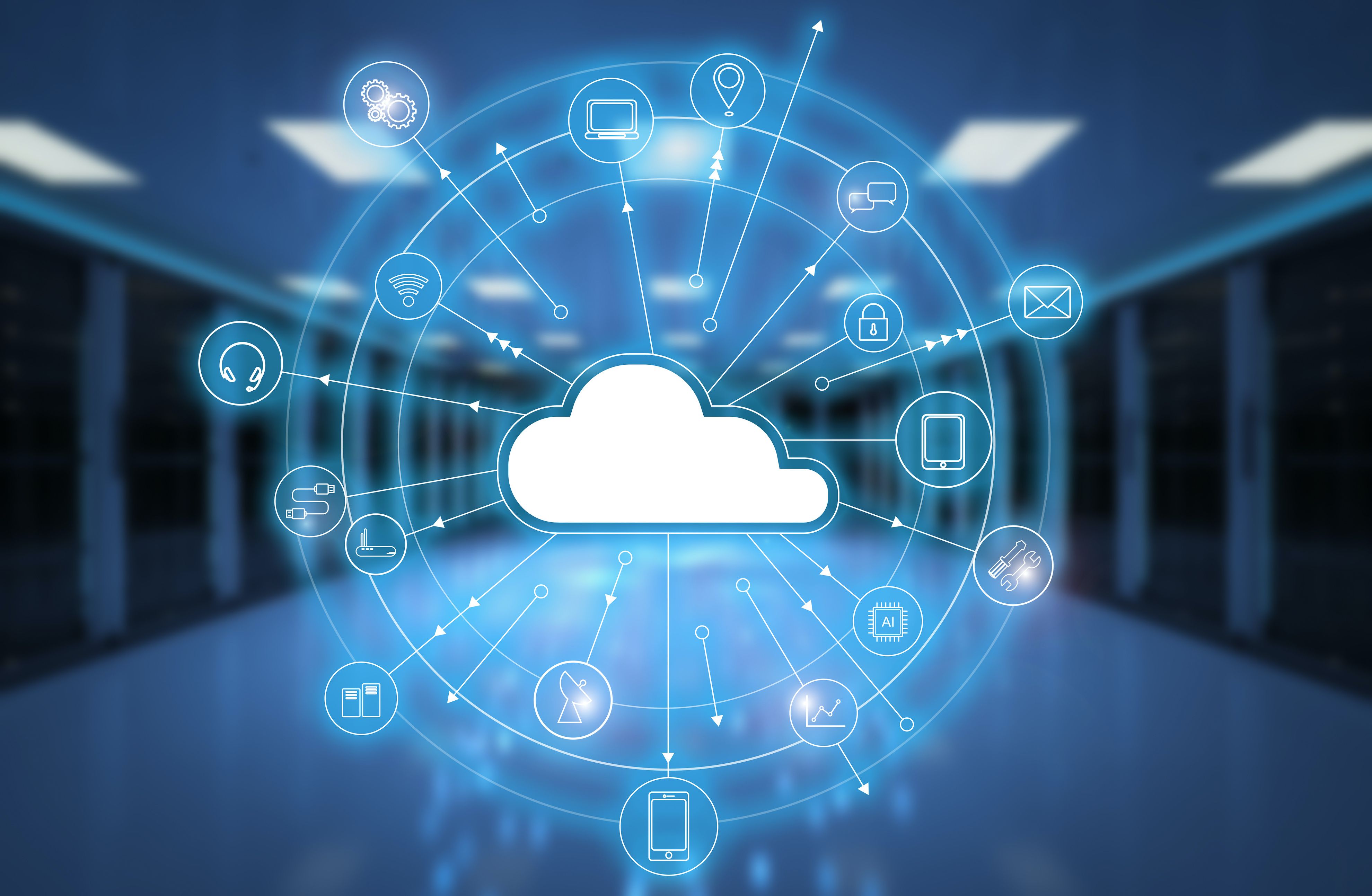
Cloud computing has become synonymous with flexibility, scalability, and cost-efficiency in IT infrastructure management. Managed IT service providers are increasingly leveraging cloud-based solutions to streamline operations, optimize resource utilization, and deliver seamless services to their clients. The future of managed IT services will witness a proliferation of cloud-native architectures, enabling rapid deployment, dynamic scaling, and enhanced reliability. Moreover, the integration of multi-cloud and hybrid cloud environments will enable organizations to leverage the strengths of various cloud platforms while mitigating vendor lock-in risks.
IoT Integration and Management
The Internet of Things (IoT) has ushered in a new era of connectivity, enabling devices to communicate, collaborate, and exchange data autonomously. Managed IT service providers are tasked with the responsibility of managing and securing the diverse array of IoT devices deployed across enterprise networks. This includes implementing robust authentication mechanisms, encrypting data transmissions, and monitoring device behavior for signs of anomalous activity. As IoT adoption continues to soar, managed IT services will play a crucial role in orchestrating and optimizing IoT ecosystems to drive business value and innovation.
Edge Computing Revolution
Edge computing is poised to disrupt traditional IT infrastructure paradigms by enabling data processing and analysis at the network edge, closer to the point of data generation. Managed IT service providers are embracing edge computing technologies to alleviate bandwidth constraints, reduce latency, and enhance real-time decision-making capabilities. By deploying edge computing nodes strategically, organizations can unlock new opportunities for innovation in areas such as autonomous vehicles, smart cities, and industrial automation. Managed IT services will play a pivotal role in architecting, deploying, and managing edge computing environments to meet the evolving demands of the digital economy.
Focus on User Experience
In the era of digital transformation, user experience (UX) emerges as a critical differentiator for managed IT services. Providers are investing in intuitive interfaces, personalized dashboards, and proactive support mechanisms to enhance the overall user experience for their clients. By prioritizing user-centric design principles, managed IT service providers can empower clients to leverage technology more effectively, drive productivity gains, and foster greater user satisfaction.
Evolving Service Delivery Models
The future of managed IT services will witness the emergence of innovative service delivery models tailored to the unique needs of diverse industries and organizations. From outcome-based pricing models to managed security-as-a-service offerings, providers are reimagining traditional service delivery approaches to deliver greater value and flexibility to their clients. Moreover, the rise of platform-based ecosystems and API-driven integrations will enable seamless interoperability between disparate IT systems and applications, driving operational efficiency and agility.
Conclusion:
In conclusion, the future of managed IT services holds immense promise, fueled by emerging trends and innovations that are poised to reshape the digital landscape. From the integration of artificial intelligence and machine learning to the proliferation of cloud computing and edge computing technologies, IT Support Services are at the vanguard of driving digital transformation and enabling organizations to thrive in an increasingly complex and interconnected world. By embracing these trends and harnessing the power of technology, businesses can unlock new opportunities for innovation, growth, and competitive advantage in the digital economy of tomorrow.
Appreciate the creator