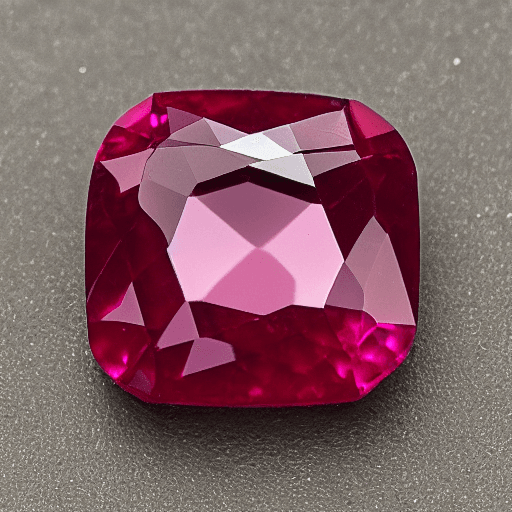
Natural Ruby Stone: A Precious Gem of Passion and Power
Introduction
Gemstones have captivated human beings for centuries with their brilliance and allure. Among these gemstones, the natural ruby holds a special place. Known for its vibrant red color and exceptional properties, the natural ruby stone has been revered and treasured across cultures and throughout history. In this article, we will delve into the fascinating world of natural rubies, exploring their origin, characteristics, symbolism, and popular uses.
1. The Origins of Natural Rubies
1 Formation Process
Natural rubies are formed deep within the Earth's crust under intense heat and pressure. They belong to the corundum mineral family and get their striking red color from traces of chromium in their crystal structure. The process of ruby formation takes millions of years, creating gemstones of exceptional beauty.
2 Prominent Sources
While rubies can be found in various parts of the world, some regions are particularly famous for producing these precious gems. Among the most renowned sources of natural rubies are Myanmar (formerly Burma), Thailand, Sri Lanka, and certain parts of Africa. Each of these sources offers rubies with unique qualities and characteristics.
2. Characteristics and Properties
1 Striking Red Hue
The vivid red color of natural rubies is what sets them apart from other gemstones. The intensity of the red hue is a critical factor in determining the stone's value, with the finest rubies exhibiting a deep, pure red color often referred to as "pigeon blood" red.
2 Durability and Hardness
Scoring 9 on the Mohs scale of mineral hardness, natural rubies are exceptionally durable and resistant to scratches. This property makes them ideal for use in various forms of jewelry, including rings, necklaces, and bracelets.
3 Asterism
Some rare rubies display a unique optical phenomenon called asterism, which presents as a star-like pattern on the surface of the stone. These star rubies are highly sought after by collectors and connoisseurs.
3. Symbolism and Cultural Significance
1 Love and Passion
The rich red color of natural rubies has long been associated with love and passion. In ancient civilizations, rubies were considered the gemstone of love and desire, believed to ignite the flame of eternal love between couples.
2 Power and Protection
In many cultures, rubies were believed to possess protective powers. Warriors wore them into battle, trusting in their ability to safeguard against injury and bestow invincibility.
4. Popular Uses of Natural Rubies
1 Jewelry
Natural rubies are a popular choice for exquisite jewelry pieces. From engagement rings to pendants, bracelets, and earrings, rubies add a touch of elegance and splendor to any design.
2 Healing and Metaphysical Properties
In alternative healing practices, rubies are believed to stimulate the heart chakra, promoting vitality, courage, and passion. They are thought to enhance one's life force and bring balance to the body and mind.
Caring for Natural Rubies
To preserve the beauty and brilliance of natural rubies, proper care is essential. Avoid exposure to harsh chemicals and extreme temperatures, and regularly clean the gemstone with a soft, damp cloth.
Conclusion
Natural rubies continue to capture our hearts with their enchanting beauty and timeless appeal. From their origins deep within the Earth to their symbolic significance, these precious gemstones have left an indelible mark on human history. Whether worn as jewelry or used in spiritual practices, the allure of the natural ruby stone remains as strong as ever.
FAQs
1. Are natural rubies rarer than diamonds? While natural rubies are rarer than lower-quality diamonds, the finest and most flawless diamonds are still considered more valuable and scarce.
2. Can rubies be found in other colors besides red? Yes, rubies can come in various shades, including pink, purple, orange, and brown, but the classic red hue is the most prized.
3. Do synthetic rubies hold the same value as natural rubies? Synthetic rubies, although chemically identical to natural ones, are generally less valuable due to their human-made origin.
4. Can rubies be used for engagement rings? Absolutely! Rubies make stunning and meaningful engagement ring choices, especially for couples seeking a unique and vibrant gemstone.
5. How should I store my ruby jewelry when not wearing it? To prevent scratches and damage, store your ruby jewelry separately in a soft pouch or a lined jewelry box. Avoid contact with other gemstones or metals.
Appreciate the creator