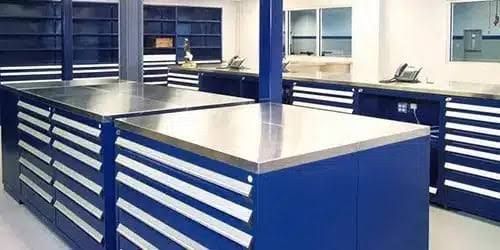
Modular Drawer Cabinets: Steel Gauge, Load Capacity and Safety Standards Explained
Drawer cabinets look simple from the outside, but the engineering behind steel gauge and load capacity is surprisingly technical once you look past the painted exterior most buyers judge a unit by at first glance in a showroom or online listing. This is a detail that buyers often overlook until it quietly becomes a real problem later on. Over several orders, this becomes one of the clearest signals of a supplier worth keeping long term.
This overview covers what steel gauge actually means for real-world durability, how load capacity is genuinely tested, and which safety standards matter most, so the final purchase reflects an informed decision rather than a guess based on appearance alone. Getting this part right at the start saves considerable time and cost further down the road. Workshops that plan ahead on this point rarely regret the extra effort involved.
Sourcing through established modular drawer cabinet manufacturers rather than a generic reseller usually means access to genuine engineering specifications matched to specific workshop applications and load requirements. It rarely gets the attention it deserves during the initial procurement conversation, but it should. This tends to matter far more once a workshop scales beyond a single cabinet or workstation.
Understanding Steel Gauge Numbers
Steel gauge numbers run in reverse of what many buyers expect, where a lower gauge number actually means thicker, stronger steel. Confirm the gauge applies to the load-bearing frame, since some cabinets use thicker steel on visible panels while thinning it elsewhere to cut cost. It is easy to miss this when comparing quotes side by side under time pressure. It costs nothing to ask about this early, and the answer often changes the entire decision.
How Load Capacity Is Tested
Genuine load ratings come from testing a drawer fully extended and loaded to its rated weight repeatedly, not simply resting a static load on a closed drawer. Ask whether the manufacturer's stated capacity reflects this more demanding, realistic test. Paying attention to this early tends to pay for itself many times over across a cabinet's working life. It is worth raising directly during the very first supplier conversation, not after an order has already shipped.
Interlocking and Anti-Tip Safety Systems
Interlocking systems that prevent more than one heavy drawer opening at once protect against tip-over, a genuine safety concern with tall, fully loaded cabinets on a busy shop floor with foot traffic nearby. It is a small upfront question that can prevent a much larger headache several months later. Most experienced buyers learn this lesson only after a project has already gone sideways once.
Matching Specification to Actual Use
A cabinet built for light parts storage has fundamentally different steel and slide requirements than one destined for heavy machine tooling, and matching the specification to the real load avoids both overspending and underbuilding. It is the kind of detail that only becomes obvious once something has already gone wrong. A brief conversation about this upfront usually resolves any ambiguity before it becomes a real issue.
Conclusion
Understanding steel gauge and load capacity before purchase means the cabinet installed in 2026 actually matches the real demands placed on it daily, rather than simply satisfying a vague heavy-duty label on a listing. This is precisely where experienced buyers tend to slow down and ask a few more questions. This single question, asked early enough, tends to filter out weaker suppliers almost immediately.
Visit: https://www.myrockben.com/modular-drawer-cabinet.html
Appreciate the creator