Master Guide: Vehicle Shifting in India (2026 Edition)
Relocating within India is an adventure, but moving your car or bike across state lines can be a complex logistical puzzle. From the narrow streets of ancient cities to the high-speed national expressways, vehicle shifting requires a blend of local expertise and modern technology.
Whether you are moving a hatchback, a luxury SUV, or a commuter bike, here is how to navigate the vehicle shifting in India process like a pro.
1. Understanding the Indian Transport Ecosystem
In India, vehicle shifting is primarily handled through three main channels:
Dedicated Car Carriers: Large trucks designed to carry 6–8 cars. This is the safest way to move a car over long distances (e.g., North to South India).
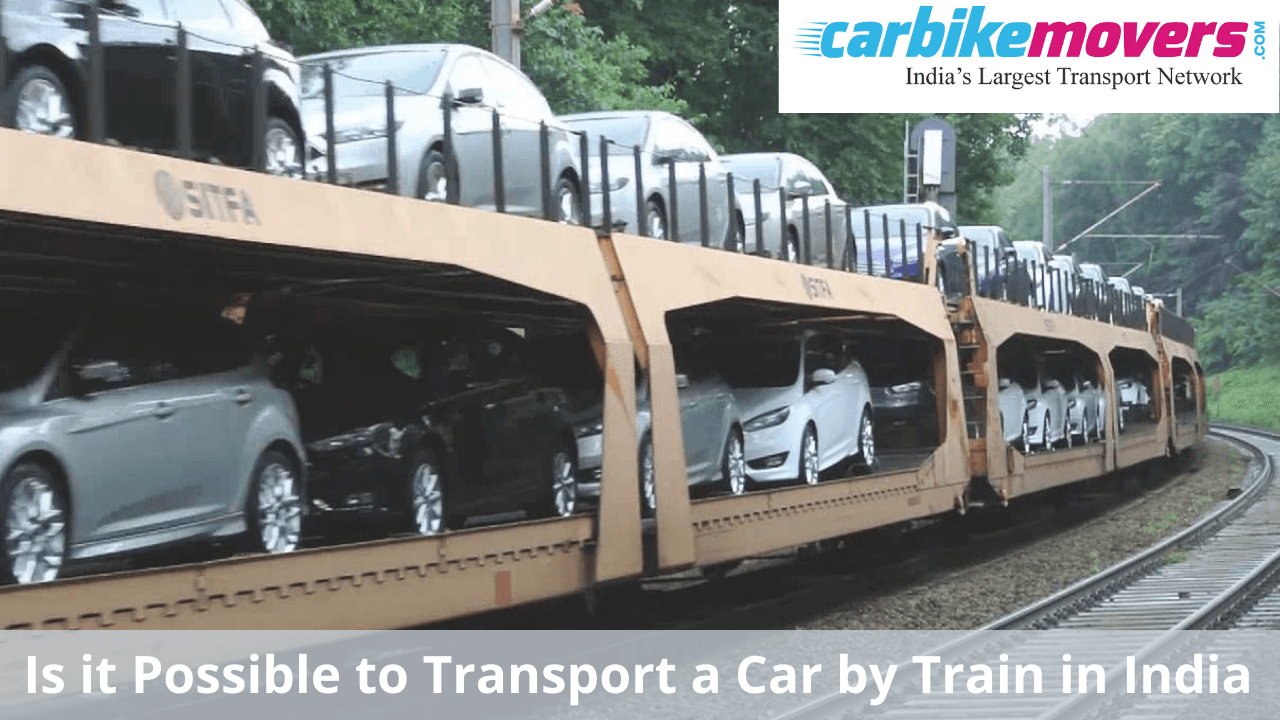
Train Parcel Services: A budget-friendly favorite for bike shifting. Managed by Indian Railways, this is highly reliable but requires manual paperwork at the station.
Independent Towing/Flatbeds: Best for short-distance intra-city shifts or for premium vehicles that require individual attention.
2. The Digital Shift: Moving in 2026
The Indian logistics sector has seen a massive tech upgrade. When hiring a shifting service today, expect these "New India" standards:
No-Broker Platforms: Websites like CarBikeMovers.com now allow you to bypass unreliable middlemen and connect directly with verified, high-rated transporters.
E-Way Bill Compliance: Professional movers now handle all GST and E-Way bill documentation digitally, ensuring your vehicle isn't stranded at state border check-posts.
Live Traffic Rerouting: With India’s rapid highway expansion, modern carriers use AI to avoid monsoon-affected routes or construction delays, ensuring faster delivery.
3. Legal Requirements for Interstate Shifting
Moving a vehicle from one Indian state to another involves more than just transport; it involves the Law.
The Octroi/Entry Tax Myth: While most entry taxes have been subsumed under GST, some states still have specific entry permits for commercial carriers. A professional service handles this for you.
NOC (No Objection Certificate): If you are moving permanently (more than 12 months), you will eventually need an NOC from your original RTO to re-register the vehicle in the new state.
Short-term Stay: If you’re moving for less than a year, your original registration is usually valid, provided you have a copy of the transport receipt to prove when the vehicle entered the state.
4. Monsoon & Terrain Precautions
India’s geography varies wildly. Your shifting strategy should change based on the destination:
The Hill Station Shift: If moving to high-altitude regions, ensure your transporter uses smaller, more maneuverable vehicles, as large multi-car carriers cannot navigate sharp mountain bends.
Monsoon Protection: If shifting during the rainy season (June–September), always opt for Enclosed Containers. Water seepage and slush on open highways can lead to rust or electrical issues in modern sensor-heavy cars.
5. Cost Breakdown: What Determines the Price?
The cost of vehicle shifting in India is generally calculated based on:
Distance: Cross-country routes (e.g., 2,000+ km) offer better "per km" rates than short 200 km shifts.
Vehicle Weight: Heavier SUVs and 350cc+ bikes incur higher fuel surcharges.
Insurance: Transit insurance in India usually costs 1% to 1.5% of the vehicle's declared value. Never skip this.
Final Pro-Tip
Before handing over the keys, take a 360-degree video of your vehicle at the loading point. In the rare case of a dispute, this video is your strongest evidence for insurance claims.
Ready to start your journey? Head over to CarBikeMovers.com to get instant quotes from India’s top-rated vehicle shifting experts.
Appreciate the creator