Managing Media Campaigns for Co-Authored Titles
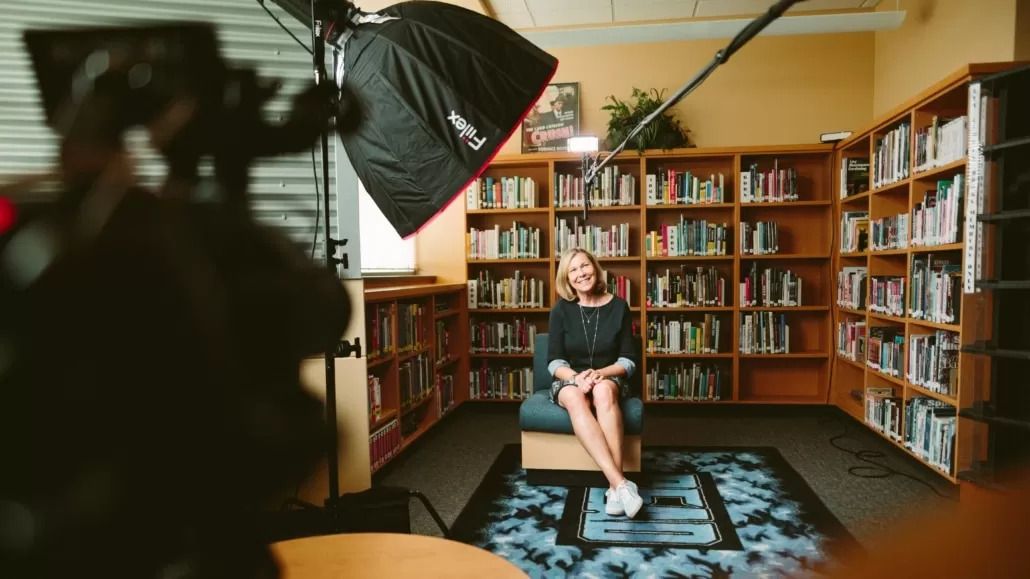
When two professionals collaborate on a manuscript, the writing process is often a delicate negotiation of ideas, tone, and structural priorities. However, the complexities of drafting a joint text pale in comparison to the logistical and psychological challenges of promoting it. Transitioning from the quiet cooperation of the keyboard to the bright, demanding environment of a media campaign frequently exposes hidden tensions. You suddenly have two distinct voices, two differing levels of media experience, and often, two carefully guarded professional egos attempting to share a very limited spotlight. Managing a joint release requires far more than just scheduling interviews; it requires a deep understanding of interpersonal dynamics and a highly structured approach to public communication.
The most common point of friction during a collaborative launch is the unequal distribution of speaking time. It is entirely natural for one author to be more charismatic, more experienced on camera, or simply faster at formulating answers under pressure. Left unmanaged, this dynamic inevitably leads to one partner dominating the interviews while the other sits in awkward silence, generating quiet resentment that can fracture the professional relationship. To prevent this, strict conversational boundaries must be established well before the first microphone is turned on. The authors must sit down and explicitly divide the core themes of the text. If the manuscript focuses on the intersection of technology and human resources, one author must own the technical data, while the other takes total responsibility for the psychological implications.
This clear division of labour ensures that both individuals have guaranteed moments to demonstrate their expertise. When a journalist asks a broad question, the partners must intuitively know who will take the lead based on the pre-agreed thematic boundaries. Furthermore, engaging professional book publicity services becomes highly beneficial in these scenarios. An external, objective media trainer can run mock interviews, identifying the dominant speaker and teaching them the critical skill of the verbal hand-off. Learning how to answer the first half of a question and smoothly transition the conversation to your partner by saying, 'And I think John can speak more specifically to the data behind that,' ensures a balanced, professional presentation that reflects well on both authors.
Logistical coordination presents another significant hurdle, particularly if the authors reside in different time zones or maintain demanding primary careers. Securing a major broadcast interview is difficult enough; finding a time slot that accommodates a television producer and two busy executives often feels impossible. The campaign strategy must define exactly which tier of media requires both authors to be present and which opportunities can be handled solo. Major national broadcasts and flagship podcasts usually demand the presence of the entire writing team. Conversely, highly targeted trade publications or regional radio interviews can easily be divided, allowing the authors to cover twice as much ground without exhausting their schedules.
Maintaining a unified narrative is essential when conducting these solo interviews. It is very easy for a single author to unintentionally drift away from the core message of the text and begin promoting their own specific business interests or academic theories. The media team must construct a rigid set of talking points and key takeaways that both authors commit to delivering, regardless of whether they are speaking together or individually. The audience should receive the exact same fundamental message, phrased in the distinct voice of the specific author giving the interview. This consistency builds trust and reinforces the authority of the joint manuscript.
Ultimately, a successful co-authored campaign requires setting aside personal vanity in favour of the project's commercial success. It demands open, sometimes uncomfortable conversations about media strengths, weaknesses, and scheduling limitations. By establishing clear roles, practising the mechanics of shared interviews, and relying on external professionals to manage the logistical friction, collaborative authors can present a powerful, unified front that amplifies their shared expertise and drives significant retail engagement.
Conclusion
Promoting a collaborative manuscript requires careful management of both logistical complexities and professional egos. By establishing strict thematic boundaries, practising shared interview techniques, and defining clear solo and joint media responsibilities, co-authors can present a unified and highly effective public narrative.
Call to Action
Managing a joint media campaign requires specialized logistical support and objective media training. Reach out to our team to ensure your collaborative launch is handled with professional precision and equal representation.
Appreciate the creator