
Mahabharata: The Story of Ashwathama
The Mahabharata, one of the greatest epics of ancient India, is filled with legendary tales of valor, wisdom, betrayal, and destiny. Among the many intriguing characters of this epic, Ashwathama stands out as a complex figure—a warrior marked by immense skill, loyalty, and tragedy. His story offers insights into human emotions, the harsh realities of war, and the consequences of vengeance.
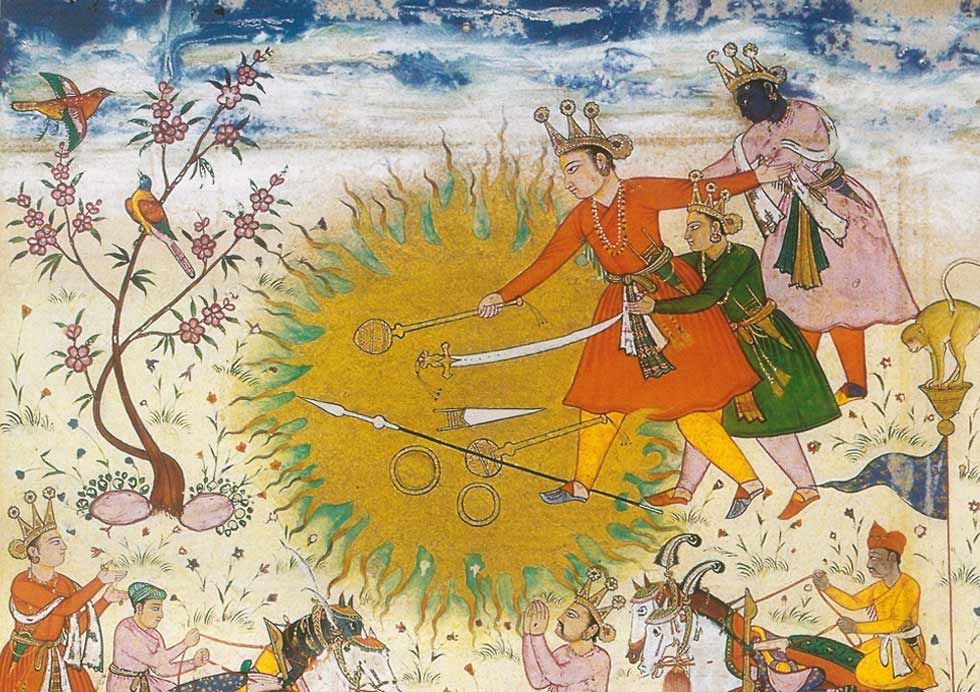
Who is Ashwathama?
Ashwathama, the son of the revered guru Dronacharya, was a formidable warrior in the Kaurava-Pandava war, the central conflict of the Mahabharata. Unlike many heroes who are born into royalty, Ashwathama's strength and valor were inherited and honed under the strict tutelage of his father. Known for his exceptional mastery of weapons and powerful knowledge of divine astras (celestial weapons), Ashwathama was an invaluable ally for the Kauravas.
Ashwathama’s Role in the War
Throughout the epic battle, Ashwathama played a significant role on the side of the Kauravas. His skills on the battlefield were unmatched, and he often turned the tide during fierce confrontations. However, what makes his story compelling is not just his prowess but the emotional and moral dilemmas he faced.
As the war reached its climax and the Kauravas faced inevitable defeat, Ashwathama’s grief and fury took a dark turn. After the death of his father Dronacharya, who was deceitfully killed following a strategic plan by the Pandavas, Ashwathama’s thirst for revenge consumed him.
The Night of Retribution
Ashwathama’s most infamous act was his night-time attack on the Pandava camp after the war had officially ended. Driven by rage and a desire to avenge his father, Ashwathama launched a brutal assault, killing many warriors, including the sons of the Pandavas, mistaking them for the Pandavas themselves.
This act of vengeance shocked the world. The use of stealth and cruelty in what was supposed to be a time of ceasefire was considered dishonorable and marked a significant turning point in Ashwathama’s fate.
The Curse of Ashwathama
Following his vengeful act, Ashwathama faced the wrath of Lord Krishna, who cursed him for his transgressions. The curse condemned Ashwathama to roam the earth for thousands of years, bearing the burden of his sins and the pain of eternal suffering and loneliness.
This curse symbolizes the deep consequences of unchecked anger and revenge. It also highlights the moral codes and the concept of dharma (righteousness) that underpin the Mahabharata.
Ashwathama’s Legacy
Ashwathama remains a fascinating character in Indian mythology—not just a warrior, but a tragic figure embodying human flaws and the complexity of dharma. His story is often interpreted as a lesson on the dangers of vengeance and the importance of restraint, even in times of profound grief and injustice.
He is sometimes seen as a symbol of eternal suffering caused by one’s own actions, a reminder that victory achieved through immoral means ultimately leads to downfall.
Final Thoughts
Ashwathama’s story within the Mahabharata offers much more than just the tale of a warrior; it serves as a powerful reflection on the human condition. His journey from a valiant hero to a cursed wanderer is a testament to how emotions like anger and revenge can cloud judgment and lead to irreversible consequences.
In a broader sense, Ashwathama’s life reminds us that even the mightiest heroes are not immune to failure and moral dilemmas. His curse also underscores the importance of forgiveness and compassion over hatred and vengeance.
The Mahabharata, through characters like Ashwathama, teaches us the nuanced nature of dharma and the complexities of war, loyalty, and justice. While Ashwathama’s actions were harsh and painful, they also open a space for us to contemplate human vulnerabilities and the profound impact of choices.
Ultimately, Ashwathama is not just a character of myth; he is a mirror reflecting the eternal struggle between righteousness and passion within every human soul.
Appreciate the creator