Luteal Phase Deficiency: Clinical Relevance in Modern Infertility Practice
Introduction
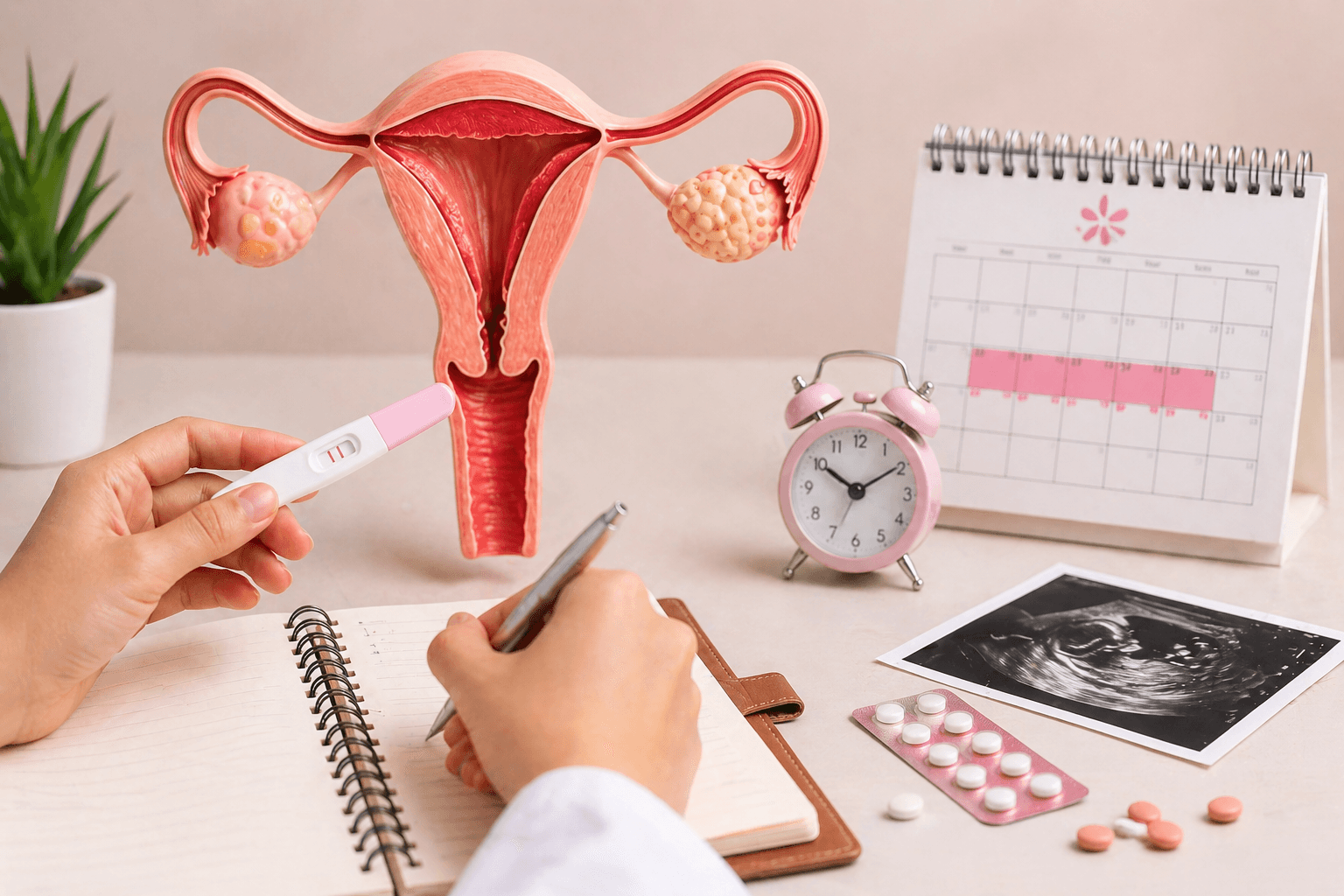
Luteal Phase Deficiency (LPD) is a condition that can affect a woman’s ability to conceive and maintain a healthy pregnancy. It happens when the second half of the menstrual cycle, called the luteal phase, is shorter or hormonally weak. This phase is important because it prepares the uterus for implantation of a fertilized egg.
In simple words, if the uterine lining is not properly developed due to low progesterone levels, the embryo may not implant successfully. This can lead to difficulty in conception or early pregnancy loss.
In today’s modern infertility practice, LPD is an important but often overlooked factor. According to Dr. Poonam Goyal, early identification and proper hormonal support can significantly improve pregnancy outcomes. Understanding this condition helps couples take timely action and avoid unnecessary delays in treatment.
Common Causes of Luteal Phase Deficiency
Luteal Phase Deficiency can occur due to different reasons. Identifying the cause helps in choosing the right treatment.
Hormonal Imbalance
Low progesterone levels are the main reason behind LPD. This hormone is essential for maintaining the uterine lining.
Poor Ovulation
If ovulation is weak or irregular, the corpus luteum may not produce enough progesterone.
Thyroid Disorders
Thyroid imbalance can affect hormone levels and disrupt the menstrual cycle.
High Prolactin Levels
Increased prolactin hormone can interfere with ovulation and progesterone production.
Stress and Lifestyle Factors
Chronic stress, poor sleep, unhealthy diet, and excessive exercise can disturb hormonal balance.
Age Factor
As age increases, hormonal function may decline, increasing the risk of LPD.
As explained by Dr. Poonam Goyal, understanding these causes is important for accurate diagnosis and treatment planning.
Signs You Should Not Ignore
Luteal Phase Deficiency may not always show strong symptoms, but some signs can indicate a problem.
Short menstrual cycles
Spotting before periods
Difficulty in conceiving
Repeated early miscarriages
Low progesterone levels in reports
Many women delay consultation while searching for the Best female infertility in Delhi, which can reduce the chances of successful treatment.
If you notice these symptoms, early evaluation with a fertility specialist is important. Simple tests like progesterone level check and cycle tracking can help in diagnosis.
How to Fix / Treat Luteal Phase Deficiency
The good news is that LPD is treatable in most cases with proper medical care.
Hormonal Support (Progesterone Therapy)
Progesterone supplements are commonly given to support the uterine lining.
Ovulation Induction
Medicines can help improve ovulation quality, which in turn improves progesterone production.
Treatment of Underlying Conditions
Managing thyroid disorders or high prolactin levels helps restore hormonal balance.
Lifestyle Changes
Healthy diet, stress management, and proper sleep can improve overall reproductive health.
Assisted Reproductive Techniques
In some cases, treatments like IUI or IVF may be recommended for better success.
Clinics offering the Best female fertility in Delhi focus on personalized treatment based on the patient’s condition. Dr. Poonam Goyal believes that targeted treatment improves both implantation and pregnancy success rates.
It is also important to evaluate the male partner. Consulting experts in the Best male fertility in Delhi ensures a complete fertility assessment for couples.
Expert Tips
Track your menstrual cycle regularly
Do not ignore early signs like spotting
Maintain a healthy lifestyle
Reduce stress through yoga or meditation
Take medications only as prescribed
Follow up regularly with your doctor
Early diagnosis and treatment can make a significant difference in outcomes.
Conclusion
Luteal Phase Deficiency is a manageable condition that plays an important role in infertility and early pregnancy loss. With the right diagnosis and treatment, many women can achieve a successful pregnancy.
Modern fertility care focuses on identifying even small hormonal issues like LPD to improve overall success rates. Dr. Poonam Goyal emphasizes that awareness, timely testing, and personalized care are essential for better results.
If you are facing difficulty in conceiving or have a history of early pregnancy loss, do not ignore the possibility of LPD. Early consultation can help you move forward with confidence.
FAQs
1. What is luteal phase deficiency?
It is a condition where the luteal phase is short or has low progesterone, affecting implantation.
2. Can LPD cause miscarriage?
Yes, it can lead to early pregnancy loss if not treated.
3. How is LPD diagnosed?
Through progesterone tests, cycle tracking, and sometimes ultrasound.
4. Is LPD treatable?
Yes, with hormonal support and proper medical care, it can be managed effectively.
Appreciate the creator