Logistics Simplified: The Power of Freight Forwarding Services
In the complex world of global trade and commerce, freight forwarding companies stand out as a beacon of clarity.
So, what exactly is freight forwarding? At its core, it's the coordination and shipment of goods from one place to another. From its humble beginnings in the days of maritime trade, the industry has evolved immensely, adapting to the changing demands of global business and intricate supply chains.
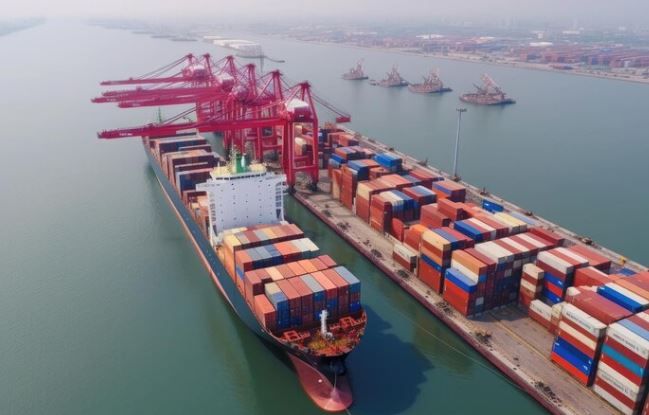
The Role of Freight Forwarders in Modern Logistics
Freight forwarders are more than just middlemen in the shipping process. They are vital connectors, orchestrating the movement of goods between sellers and buyers across vast distances.
Serving as the Intermediary Between Shippers and Transportation Services
The modern supply chain involves numerous stakeholders: manufacturers, carriers, customs officials, and end consumers, to name a few. Navigating these waters can be daunting. That's where freight forwarders come in.
They liaise with various transportation services, ensuring goods are picked up and delivered seamlessly. In essence, they provide a one-stop solution, simplifying what could otherwise be a jumbled mess.
Simplified Logistics with Freight Forwarding
Each business has unique logistics needs. Recognizing this, freight forwarders don't offer a one-size-fits-all approach. Instead, they tailor solutions, ensuring that goods are not only delivered but also reach their destination most efficiently and cost-effectively. For businesses, this means peace of mind and potentially significant cost savings.
Services Provided by Freight Forwarders
It's not just about moving boxes from point A to B. Freight forwarders offer a suite of services to cater to diverse needs.
Transportation (Air, Sea, Rail, and Road): Different items require different transportation methods. Bulky things may be better suited for marine freight whereas items that are perishable may require a rapid flight. The optimum form of transportation is chosen by forwarders, who also guarantee on-time delivery.
Warehousing and Storage Solutions: Before being sent or once they've arrived at their destination, products frequently need to be kept in storage. Thus, dependable warehousing is essential. Many goods forwarders provide storage options to keep products in top condition.
Packaging and Labelling Services: A product arriving in perfect shape or being damaged in transit can depend on the quality of the packaging. Frequently, freight forwarders provide packing and labelling services to make sure that items are safeguarded and properly labelled for travel.
Inventory Management: With large volumes of goods coming in and out, keeping track can be a challenge. To help businesses stay on top of their inventory, many freight forwarders provide management services. This way, businesses always know where their goods are and in what quantity.
Customs Clearance and Documentation: Perhaps one of the most challenging aspects of international shipping is navigating customs. Every country has its regulations, and missing a step could result in significant delays. Thankfully, freight forwarders are adept at handling customs clearances and ensuring all documentation is in order.
Advantages of Using Freight Forwarding Companies
Now that we've delved into what freight forwarders do, let's look at the tangible benefits of using their services.
Simplification of Complex Shipping Processes: First and foremost, they take the guesswork out of shipping. With a freight forwarder on board, businesses no longer need to juggle multiple contacts and service providers. It all flows through a single, coordinated channel.
Access to a Vast Network of Logistics Partners: Freight forwarders have spent years, sometimes decades, building relationships in the logistics industry. This network can be leveraged by businesses, ensuring they always get the best service at the best price.
Cost-effective Solutions Through Negotiated Bulk Rates: Due to the volume of shipments they handle, freight forwarders can negotiate better rates with carriers. Often, these savings are passed on to businesses, making shipping more affordable.
Time Savings with Efficient Route Planning and Scheduling: Time is money, and in the world of shipping, delays can be costly. Freight forwarders use their industry knowledge to plan the most efficient routes, ensuring goods arrive on time.
Mitigation of Risks and Handling of Shipping Regulations: Shipping isn't without its risks. Goods can get damaged, lost, or delayed. By using a freight forwarder, many of these risks are minimized. They handle the nitty-gritty, ensuring all regulations are followed, reducing the chance of unexpected hiccups.
Selecting the Right Freight Forwarder: Factors to Consider
Choosing freight forwarding companies is a pivotal decision for businesses.
Reputation and Experience in the Industry: Reputation speaks volumes. A freight forwarder with a track record of success is likely to handle your shipments with the same level of care. It’s wise to seek out reviews, testimonials, and case studies.
Range of Services Offered: Not all freight forwarders are created equal. Some might offer a wide range of services, from warehousing to customs clearance, while others might specialize. Knowing what you need and ensuring the forwarder can provide it is crucial.
Network and Partnerships with Carriers: A freight forwarder’s network can significantly impact your shipping experience. Those with strong partnerships can often negotiate better rates and ensure your cargo gets priority.
Pricing Structures and Transparency: Shipping shouldn’t come with hidden costs. A trustworthy forwarder will be transparent about their pricing, helping businesses budget accurately.
Technological Capabilities and Customer Service: In today’s digital age, having a forwarder that offers technological tools can be a game-changer. Likewise, stellar customer service ensures that any concerns or questions are addressed promptly.
The Impact of Global Events on Freight Forwarding Companies
The world is dynamic, and global events can influence the flow of goods.
Effects of Events Like Pandemics, Economic Downturns, and Geopolitical Tensions: Such events can disrupt supply chains, alter demand, and introduce new regulations. Yet, the freight forwarding industry has shown resilience, adapting to these changes and finding ways to ensure continuity.
The Resilience and Adaptability of the Forwarding Industry: The industry's ability to adapt underscores its importance. Whether it’s finding new routes during geopolitical tensions or ensuring safe shipments during a pandemic, forwarders work tirelessly behind the scenes.
Appreciate the creator