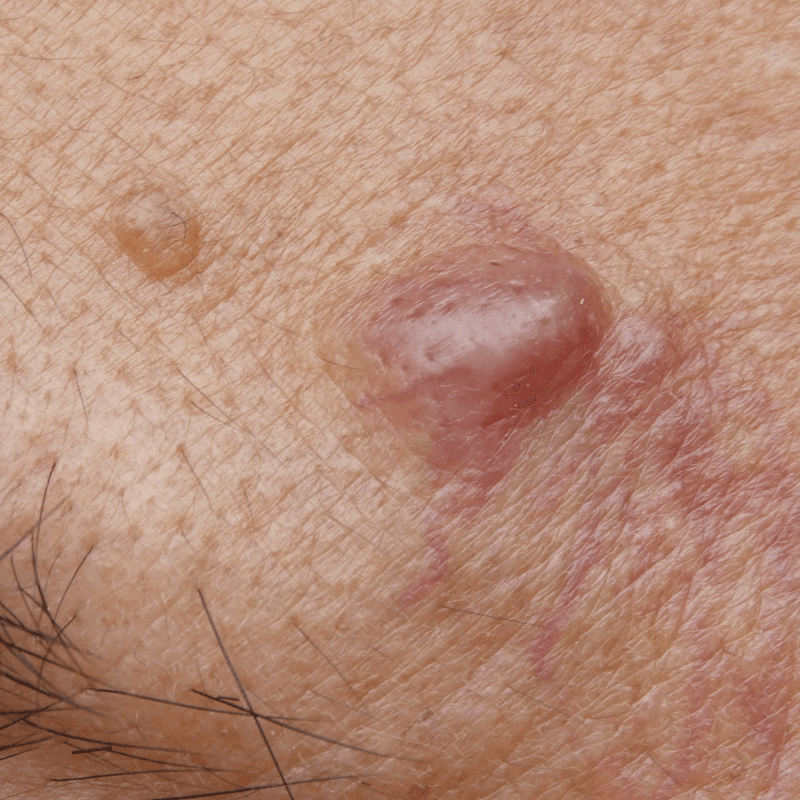
Lipoma Treatment and Complete Care Guide
Lipomas are among the most common soft tissue growths that develop beneath the skin. They are generally slow-growing, soft to the touch, and often painless. While many people live comfortably with these fatty lumps, others seek solutions due to cosmetic concerns, discomfort, or changes in the lump’s size and location. Understanding Lipoma Treatment in Dubai options and proper care can help individuals make informed decisions and maintain confidence in their skin health.
Understanding Lipomas
A lipoma is a benign growth composed of fat cells that develop just beneath the skin. These lumps can appear on various parts of the body, including the shoulders, neck, back, arms, and thighs. They usually feel soft and movable when touched and tend to grow slowly over time.
Although lipomas are non-cancerous, they can vary in size and may occasionally cause discomfort if they press against nearby nerves or tissues. Because they often resemble other types of skin lumps, proper evaluation is important to determine the nature of the growth.
Common Signs and Symptoms
Lipomas are typically easy to identify due to their distinctive characteristics. Most people notice a soft lump that gradually becomes more noticeable over months or years.
Common features include:
Soft Texture
Lipomas generally feel soft and doughy beneath the skin. They can often be moved slightly with gentle pressure.
Slow Growth
These fatty growths tend to enlarge gradually rather than appearing suddenly.
Painless Nature
Most lipomas do not cause pain. However, discomfort may occur if the lump grows near nerves or joints.
Round or Oval Shape
Lipomas usually have a smooth and well-defined shape, making them distinguishable from some other skin conditions.
What Causes Lipomas?
The exact cause of lipoma formation is not always clear. Researchers believe several factors may contribute to their development.
Genetic Influence
Lipomas often run in families, suggesting a hereditary component. Individuals with a family history may be more likely to develop these growths.
Minor Injury
Some cases appear after minor trauma or injury, although the relationship is not fully understood.
Age Factors
Lipomas can occur at any age but are most commonly seen in adults between middle age and later years.
Why Lipoma Treatment May Be Considered
Many lipomas do not require intervention because they are harmless. However, treatment may become desirable for several reasons.
Cosmetic Concerns
Visible lumps on exposed areas of the body can affect self-confidence and appearance.
Physical Discomfort
Large lipomas may interfere with movement or create pressure against surrounding structures.
Rapid Growth
A lump that grows quickly or changes significantly may require assessment to confirm its nature.
Functional Limitations
Lipomas located near joints or muscles may restrict normal movement and daily activities.
Lipoma Treatment Options
Several approaches are available depending on the size, location, and characteristics of the lipoma.
Surgical Removal
Surgical excision is one of the most effective methods for removing a lipoma completely. During this procedure, the fatty tissue is carefully removed, reducing the likelihood of recurrence in the treated area.
This approach is often recommended for larger lipomas, symptomatic growths, or those causing cosmetic concerns.
Minimally Invasive Techniques
Modern advancements have introduced less invasive methods that may reduce recovery time and minimize visible scarring. These techniques focus on removing or reducing fatty tissue while preserving surrounding structures.
Such approaches are often selected for suitable candidates based on the lipoma's size and location.
Liposuction-Assisted Removal
In certain situations, liposuction techniques may be used to remove fatty tissue through smaller openings. This option can be beneficial for selected cases where minimizing scarring is a priority.
However, complete removal of the capsule surrounding the lipoma may not always be possible with this method alone.
Recovery and Aftercare
Proper aftercare plays a vital role in achieving optimal results following treatment.
Keep the Area Clean
Maintaining cleanliness helps support healthy healing and reduces the risk of irritation.
Follow Care Instructions
Adhering to recommended post-treatment guidelines encourages a smooth recovery process.
Monitor Healing Progress
Regular observation of the treated area helps identify any unusual changes and ensures proper healing.
Avoid Excessive Strain
Limiting strenuous activities for a short period can help protect the treatment site and support recovery.
Can Lipomas Return?
In most cases, a completely removed lipoma does not return. However, some individuals may develop new lipomas in different areas of the body over time.
People with a strong genetic tendency may experience multiple lipomas throughout their lives. Regular self-monitoring can help detect any new growths early.
Maintaining Healthy Skin Awareness
While lipomas are generally harmless, paying attention to skin changes is always beneficial. Becoming familiar with your body makes it easier to notice unusual lumps, growths, or changes that may require evaluation.
Healthy skin awareness includes:
Regular Self-Examinations
Checking your skin periodically helps identify new developments early.
Monitoring Changes
Observe any growth in size, texture, or appearance of existing lumps.
Seeking Professional Assessment
Any unusual or rapidly changing lump should be assessed to confirm its nature and determine appropriate management.
Differentiating Lipomas from Other Skin Lumps
Not all lumps beneath the skin are lipomas. Some conditions may appear similar but require different management approaches.
Characteristics that help distinguish lipomas include their softness, mobility, and slow growth pattern. Nevertheless, professional evaluation remains important whenever uncertainty exists.
Understanding these differences ensures that appropriate care is provided and helps avoid unnecessary concerns.
Lifestyle Considerations for Long-Term Care
Although lifestyle changes do not directly prevent lipomas, maintaining overall wellness contributes to better health and body awareness.
Balanced nutrition, regular physical activity, adequate hydration, and proper skin care support overall well-being. Staying attentive to physical changes also encourages early identification of any unusual developments.
Being proactive about health allows individuals to make informed decisions and maintain confidence in their appearance and comfort.
The Importance of Timely Attention
Early attention to any growing lump can provide peace of mind and help determine the most suitable course of action. Even though lipomas are benign, understanding available care options allows individuals to address cosmetic concerns, discomfort, or functional limitations effectively.
With modern advancements and personalized approaches, Lipoma Treatment continues to offer reliable solutions for managing unwanted fatty growths while supporting comfort, appearance, and long-term skin health.
Book Us
If you are looking for personalized care and professional support for managing skin lumps and fatty growths, Enfield Royal Clinic Dubai offers comprehensive assessments and advanced treatment options tailored to individual needs. Our team is committed to helping patients achieve greater comfort, confidence, and peace of mind through effective lipoma management and long-term care guidance.
Appreciate the creator