Legal Risks of Telemedicine in Delhi and How Doctors Can Stay Safe
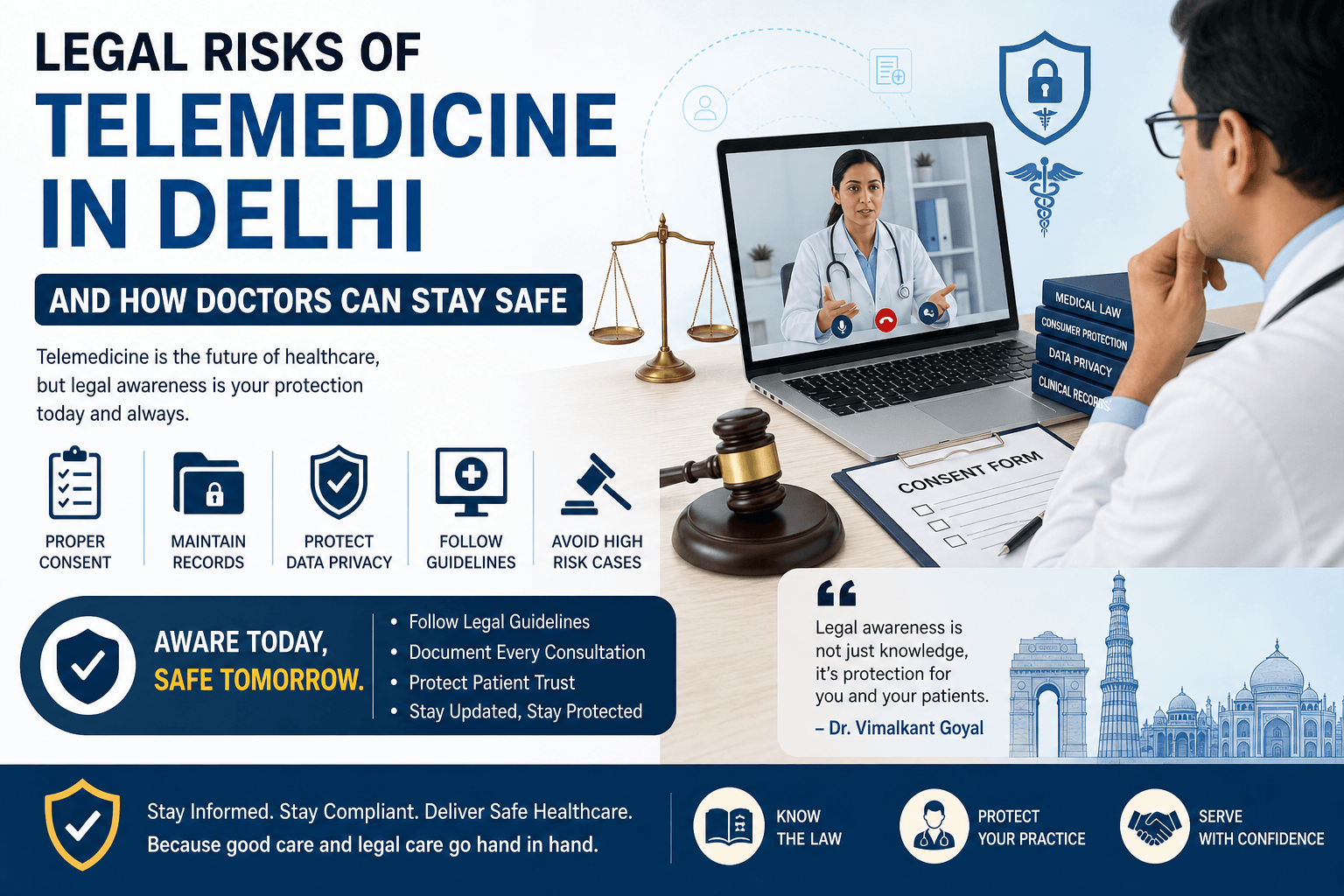
Introduction
Telemedicine has changed the way healthcare works in Delhi. From online consultations to digital prescriptions, doctors can now reach patients faster and more conveniently. After COVID-19, telemedicine became a common practice for many clinics and hospitals.
However, along with these benefits come certain legal risks that many doctors are not fully aware of. A small mistake in an online consultation can sometimes lead to serious legal consequences. That’s why understanding the legal side of telemedicine is just as important as medical knowledge.
According to Dr. Vimalkant Goyal, doctors must focus not only on treatment but also on legal awareness to protect their practice. A proper Hospital Quality Guide in Delhi and a strong legal understanding can help doctors avoid unnecessary stress and legal trouble.
Common Causes of Legal Risks in Telemedicine
Telemedicine may seem simple, but it involves multiple legal responsibilities. Some common causes of legal risks include:
1. Lack of Proper Patient Identification
Doctors sometimes fail to verify the patient’s identity properly during online consultations. This can lead to miscommunication or even fraud.
2. Incomplete Documentation
Not maintaining proper records of consultation, prescriptions, or advice can create problems if a legal issue arises later.
3. Prescribing Without Full Assessment
Unlike physical consultations, telemedicine limits physical examination. Prescribing medication without enough clinical information increases legal risk.
4. Consent Issues
Many doctors overlook taking proper patient consent before starting teleconsultation, which is a key legal requirement.
5. Data Privacy Concerns
Sharing patient data over unsecured platforms can lead to privacy violations, which are legally punishable.
A strong Healthcare Quality Guide in Delhi always emphasizes documentation, consent, and patient safety as top priorities.
Signs You Should Not Ignore
There are certain warning signs that indicate potential legal trouble in telemedicine practice:
Frequent patient misunderstandings or complaints
Lack of written or digital consultation records
Using informal platforms like WhatsApp without proper consent
Prescribing medicines without clear diagnosis
No standard operating procedure (SOP) for telemedicine
If you notice these signs, it is time to take action. As highlighted in the Medico legal guide in south Delhi, early awareness can prevent major legal complications.
How to Fix / Treat Legal Risks in Telemedicine
Reducing legal risks in telemedicine is possible with the right steps:
1. Follow Telemedicine Guidelines
Always follow official telemedicine practice guidelines issued by authorities. These rules clearly define what is allowed and what is not.
2. Take Proper Consent
Before starting consultation, ensure the patient gives clear consent. This can be written, recorded, or digital.
3. Maintain Detailed Records
Document everything—patient details, symptoms, diagnosis, advice, and prescriptions. Proper records are your strongest legal protection.
4. Use Secure Platforms
Avoid unsecured apps. Use platforms that ensure patient data privacy and confidentiality.
5. Avoid High-Risk Cases
Do not handle emergency or complex cases through telemedicine. Ask patients to visit physically when needed.
6. Issue Clear Prescriptions
Write prescriptions carefully with dosage, duration, and instructions. Avoid unclear or incomplete information.
Dr. Vimalkant Goyal advises that legal safety comes from discipline and consistency in following proper procedures.
Expert Tips
Here are some practical tips to stay legally safe while practicing telemedicine:
Always verify patient identity before consultation
Record consultation details immediately after the session
Keep digital backups of all records
Use professional language in chats and calls
Stay updated with changing laws and guidelines
Take medico-legal training regularly
A reliable Hospital Quality Guide in Delhi and expert advice from professionals like Dr. Vimalkant Goyal can help doctors build a legally secure practice.
Conclusion
Telemedicine is the future of healthcare, especially in a fast-paced city like Delhi. But with great convenience comes great responsibility. Doctors must understand that legal risks are real, but they are also preventable.
By following proper guidelines, maintaining documentation, and focusing on patient safety, doctors can confidently use telemedicine without fear. Legal awareness is not just an option—it is a necessity for every modern doctor.
As emphasized by Dr. Vimalkant Goyal, staying informed and prepared today can protect your practice tomorrow.
FAQs
1. Is telemedicine legal in Delhi?
Yes, telemedicine is legal in Delhi if doctors follow official guidelines issued by medical authorities.
2. Do I need patient consent for teleconsultation?
Yes, patient consent is mandatory and should always be recorded properly.
3. Can I prescribe medicines online?
Yes, but only after proper assessment and within allowed guidelines.
4. What is the biggest legal risk in telemedicine?
Lack of documentation and improper diagnosis are among the biggest risks.
5. How can I protect myself legally?
Follow guidelines, maintain records, take consent, and stay updated with legal practices.
Appreciate the creator