Latest Treatment Options for Glioblastoma Cancer in India (2025 Update)
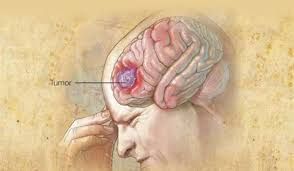
Glioblastoma, also known as glioblastoma multiforme (GBM), is the most aggressive and common malignant brain tumor in adults. In recent years, the approach to treating Glioblastoma Cancer in India has advanced significantly, incorporating cutting-edge technologies, precision medicine, and integrative therapies.
This 2025 update highlights the latest treatment options for Glioblastoma Cancer in India, giving hope to patients and families confronting this challenging diagnosis.
Understanding Glioblastoma
Glioblastoma originates from astrocytes—supporting cells in the brain—and is classified as a grade IV glioma due to its fast-growing and infiltrative nature. It accounts for more than 50% of all malignant brain tumors. Patients typically present with headaches, seizures, memory loss, or neurological deficits depending on tumor location.
The median survival without treatment is only 3–4 months, but with modern therapeutic strategies, survival can extend up to 12–24 months or longer in selected cases.
Rise of Glioblastoma Cancer in India
With improvements in diagnostic imaging, neurosurgical tools, and awareness among healthcare professionals, more cases of Glioblastoma Cancer in India are being identified. While still relatively rare compared to other cancers, the disease is gaining attention due to its severity and complex treatment needs.
India’s leading cancer hospitals, such as AIIMS Delhi, Tata Memorial Hospital (Mumbai), CMC Vellore, Apollo Cancer Centres, and Narayana Health, are now equipped to offer advanced glioblastoma treatments aligned with global standards.
Latest Treatment Options for Glioblastoma Cancer in India (2025)
1. Maximal Safe Surgical Resection
Surgery remains the first step in glioblastoma treatment. The goal is to remove as much of the tumor as possible without affecting vital brain functions.
2025 Innovations:
Fluorescence-guided surgery (5-ALA dye): Helps surgeons distinguish tumor cells from healthy tissue more precisely.
Intraoperative MRI and neuro-navigation systems: Real-time imaging during surgery enhances safety and precision.
In leading centers across India, these technologies are now being routinely used, significantly improving outcomes for Glioblastoma Cancer in India.
2. Concurrent Chemoradiation
After surgery, patients typically undergo a combination of radiation therapy and chemotherapy with Temozolomide, a standard of care that extends survival.
2025 Updates:
Image-Guided Radiotherapy (IGRT) and Intensity-Modulated Radiotherapy (IMRT): These allow for focused radiation delivery, reducing side effects.
Proton Beam Therapy: Available at select Indian centers (e.g., Apollo Proton Cancer Centre, Chennai), proton therapy minimizes damage to healthy brain tissues.
This approach is especially helpful in pediatric and recurrent glioblastoma cases.
3. Tumor Treating Fields (TTFields)
TTFields is a non-invasive treatment that uses electric fields to disrupt cancer cell division. It is worn via a portable device placed on the scalp.
Current Status in India:
As of 2025, TTFields has received greater acceptance in India, particularly in private oncology networks and research institutions.
Patients with newly diagnosed and recurrent glioblastoma are now increasingly gaining access to this therapy.
Studies have shown that TTFields can extend survival when used along with Temozolomide.
4. Targeted Therapy and Genetic Profiling
The understanding of genetic mutations in GBM has transformed the treatment approach.
Key Mutations:
IDH1/2
MGMT promoter methylation
EGFR amplification
PTEN loss
Personalized Medicine in India:
In 2025, more Indian hospitals are offering molecular testing at diagnosis to identify these mutations and personalize treatment. For example:
Bevacizumab (anti-VEGF therapy): Often used in recurrent GBM, especially where other options fail.
Targeted kinase inhibitors: Under trial or compassionate use for specific mutations.
This approach represents a leap forward in the fight against Glioblastoma Cancer in India, ensuring treatments are more effective and better tolerated.
5. Immunotherapy and Clinical Trials
Immunotherapy has shown limited but promising results in GBM. Current approaches in India include:
Checkpoint Inhibitors:
Drugs like Nivolumab and Pembrolizumab are being trialed for glioblastoma with specific biomarkers (e.g., high PD-L1 expression).
Cancer Vaccines:
Research is ongoing in Indian institutes into dendritic cell vaccines tailored to the patient’s tumor.
CAR-T Therapy:
Though still in experimental stages for glioblastoma, Indian biotech firms and hospitals have begun early-phase trials involving CAR-T therapy for GBM.
Patients looking for advanced options are encouraged to enroll in glioblastoma clinical trials in India, which are increasingly supported by international collaborations.
6. Rehabilitation and Supportive Care
Treatment for Glioblastoma Cancer in India doesn’t end with drugs and surgery. Supportive care plays a vital role in maintaining quality of life.
Services now widely available:
Neuro-rehabilitation (physiotherapy, speech therapy, occupational therapy)
Palliative care for pain and symptom management
Psychological counseling and family support groups
Incorporating holistic care is now standard practice at India’s top neuro-oncology centers.
7. Artificial Intelligence (AI) and Digital Pathology
AI-driven tools are now being used in India to analyze MRI scans, biopsy slides, and genomic data more efficiently.
2025 Developments:
AI-assisted tumor segmentation in MRI for better surgical planning.
Digital pathology platforms now assist neuropathologists in accurate GBM subtyping.
This has improved diagnostic accuracy and treatment planning for patients with Glioblastoma Cancer in India.
Challenges in Access and Affordability
Despite medical advancements, challenges remain:
Rural and semi-urban areas often lack access to neurosurgical and radiation facilities.
High cost of targeted therapy and immunotherapy is a barrier for many patients.
Health insurance coverage for newer therapies is still catching up.
The Indian government and private health initiatives are now working to improve cancer care accessibility through schemes like Ayushman Bharat and state-sponsored cancer programs.
Future Outlook
India’s growing medical infrastructure, biotech industry, and focus on research are steadily enhancing the fight against glioblastoma. Collaboration with international cancer institutes is also helping introduce newer therapies and clinical trials to Indian patients faster than ever before.
By 2030, Glioblastoma Cancer in India is expected to see major breakthroughs with the integration of gene editing, nanomedicine, and AI-driven therapy selection.
Conclusion
In 2025, the landscape of treatment for Glioblastoma Cancer in India is more hopeful than ever. With advancements in surgery, radiation, targeted therapy, and personalized medicine, patients now have access to globally recognized standards of care. While challenges in access and affordability persist, the growing awareness, research, and public-private efforts continue to transform how India fights this devastating disease.
For patients and families, early diagnosis, access to a multidisciplinary care team, and staying informed about the latest treatment options are the keys to managing Glioblastoma effectively.
for more (click here)
Appreciate the creator