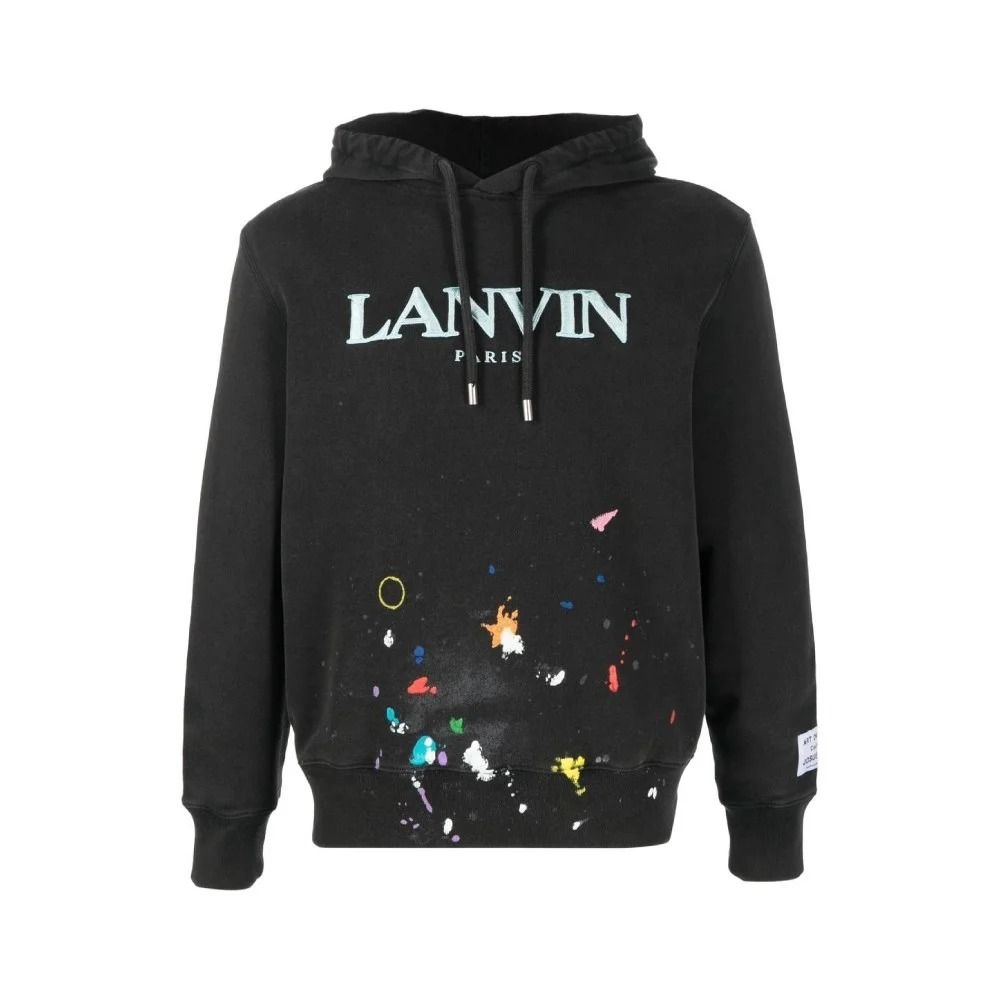
Lanvin From Souvenir to Wardrobe Staple
In the past, luxury fashion often functioned as a kind of souvenir of status, a marker of achievement or wealth more than an everyday item of wear. A Lanvin dress or suit might once have been reserved for significant occasions, existing as a statement piece within a wardrobe rather than something worn with regularity. Today, however, the role of Lanvin has expanded and evolved. The brand’s designs have transcended the notion of being symbolic souvenirs of luxury and have instead become integrated into the rhythm of daily life. This transformation marks a significant shift in how fashion operates, reflecting changes in consumer values, cultural expression, and the function of clothing itself.
Luxury as Part of Everyday Wear
One of the key developments in Lanvin evolution has been the normalization of luxury in everyday wardrobes. Where couture houses once catered exclusively to elite events, Lanvin has embraced versatility in its collections, designing garments and accessories that transition seamlessly between occasions. A Lanvin hoodie, blazer, or handbag is no longer relegated to special events but has become a natural part of daily dress. This shift signals the way luxury fashion is now lived in rather than simply admired, transforming it from a symbolic token to a wearable staple.
From Symbolic Souvenirs to Functional Objects
Historically, the value of a Lanvin garment was tied to its symbolic function. Owning a Lanvin piece was akin to possessing a keepsake of cultural capital, something to display or preserve rather than incorporate into daily life. Yet as lifestyles and consumer habits have changed, so has the role of these garments. Lanvin has adapted its philosophy by producing designs that retain their luxury aura while also delivering functional versatility. A Lanvin trench coat, for instance, is as practical for transitional weather as it is expressive of refined taste, shifting its role from symbolic souvenir to functional wardrobe anchor.
Craftsmanship as Everyday Luxury
What allows Lanvin to transition from souvenir to staple is the brand’s commitment to craftsmanship. High-quality tailoring, fabric selection, and design details ensure that garments can withstand regular use without losing their integrity. By making durability and comfort central to their philosophy, Lanvin bridges the gap between luxury as spectacle and luxury as lived experience. A Lanvin sweater or jacket is not just a piece to admire but one that invites touch, wear, and integration into daily life. The result is a redefinition of luxury, where beauty and practicality coexist.
The Role of Accessories in Transformation
Accessories have played a crucial role in repositioning Lanvin from a souvenir brand to a wardrobe staple. Handbags, shoes, and belts have historically functioned as symbolic status markers, but Lanvin has emphasized their daily usability. Well-constructed shoes or a versatile bag are not only fashion statements but also indispensable functional items. By ensuring these accessories balance durability with design, Lanvin transforms them into everyday essentials that transcend their previous role as occasional souvenirs of wealth or exclusivity.
Cultural Shifts in Consumer Perception
The transition from souvenir to staple reflects broader cultural shifts in how consumers engage with luxury. Younger generations, particularly Millennials and Gen Z, value authenticity, practicality, and cultural resonance in their purchases. They no longer seek luxury solely for its symbolism but for its ability to be lived in and expressed daily. Lanvin’s embrace of minimalism, layering, and transitional design elements allows it to align with these values, ensuring that luxury is no longer viewed as unattainable or fragile but as something adaptable to diverse lifestyles.
Wardrobe Staples as Carriers of Identity
By shifting toward the role of a wardrobe staple, Lanvin garments now function as carriers of identity. A Lanvin hoodie layered under a tailored coat communicates a blend of streetwear influence and luxury heritage. These garments embody the wearer’s values, aesthetics, and cultural belonging, making them integral to self-expression. The souvenir model once emphasized ownership and exclusivity; the wardrobe staple model highlights identity and daily engagement. This transition illustrates fashion’s evolving function as a medium of storytelling.
Secondary Market and Longevity
Lanvin’s role as a wardrobe staple is also reinforced by its presence in secondary markets. Because of the durability and timelessness of its pieces, Lanvin clothing and accessories continue to hold value long after their initial release. Unlike souvenirs that lose relevance once the moment has passed, Lanvin’s staples retain desirability due to their adaptability and enduring craftsmanship. This continuity ensures that the garments are not only worn in the present but also passed down, resold, and reintegrated into future wardrobes.
Fashion as Continuity Rather than Ephemerality
The transformation of Lanvin’s role in wardrobes signals a larger rejection of disposability. Fast fashion has created a culture of garments as temporary souvenirs of passing trends, quickly discarded when no longer in style. Lanvin resists this disposability by positioning its garments as continuous, adaptable, and integral to everyday wear. In this way, Lanvin becomes part of a sustainable fashion philosophy, proving that luxury can resist ephemerality and maintain cultural and personal relevance.
Conclusion: The New Role of Lanvin in Everyday Life
Lanvin’s evolution from souvenir to wardrobe staple demonstrates how luxury fashion has adapted to contemporary lifestyles and values. Through craftsmanship, versatility, and cultural awareness, the maison has moved beyond the symbolic into the practical without losing its artistry or exclusivity. Lanvin garments now exist not as distant tokens of achievement but as integrated elements of identity and daily expression. In redefining its role, Lanvin affirms that true luxury is not only to be admired but to be lived in, carried, and experienced every day. This shift ensures that Lanvin remains not just a heritage brand but a forward-looking force in fashion, where souvenirs become staples and exclusivity transforms into continuity.
Appreciate the creator