Lab Grown Diamonds: The Future of the Diamond Industry
Diamonds have been a symbol of luxury, prestige, and romance for centuries. They are one of the most sought-after gemstones in the world, with a long history of being mined from the earth. However, in recent years, there has been a significant shift in the diamond industry, with the emergence of lab-grown diamonds. In this article, we will explore everything you need to know about lab-grown diamonds, from how they are made to their impact on the diamond industry.
The Benefits and drawbacks of Lab grown diamonds
The future of the diamond industry with the coexistence of natural and lab-grown diamonds
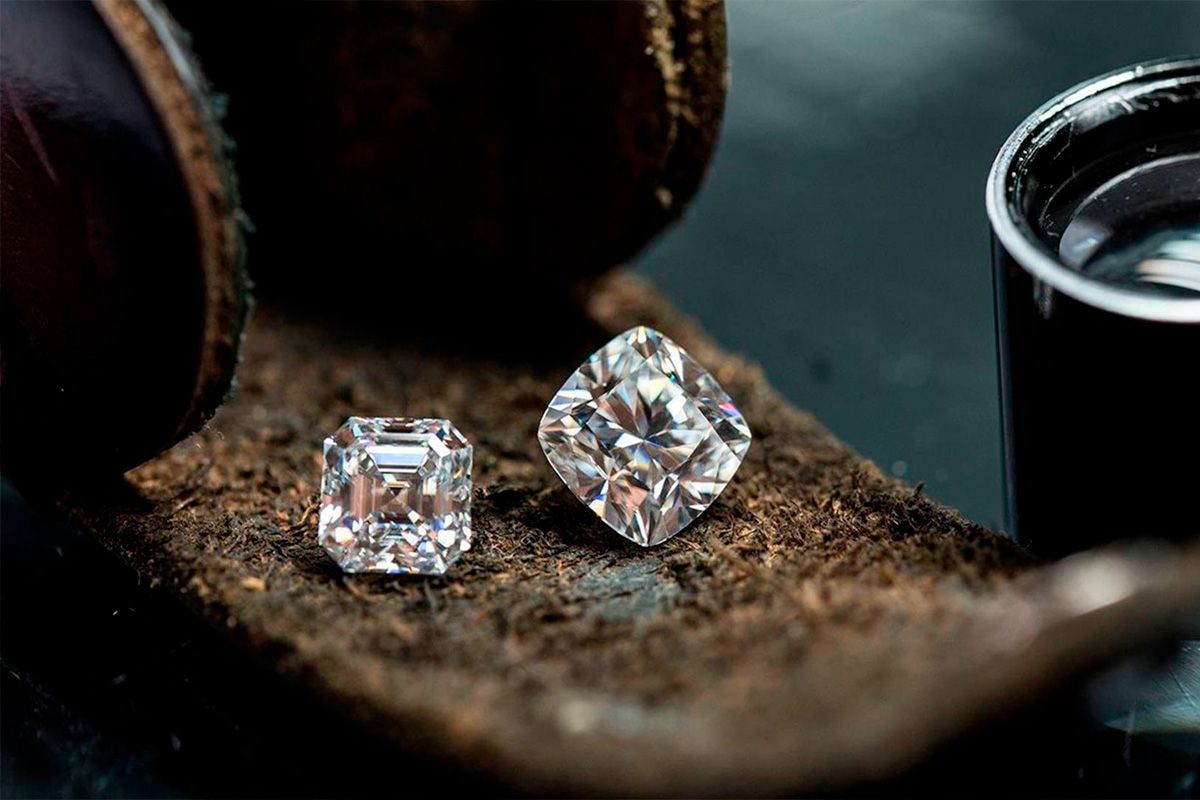
Lab grown diamonds, also known as synthetic diamonds, are created in a laboratory environment rather than being mined from the earth. They are made using advanced technological processes that simulate the natural conditions that diamonds are formed under. The process involves using a small diamond seed and subjecting it to high pressure and high temperature to create a larger diamond. The resulting diamond is chemically and optically identical to a natural diamond.
One of the significant benefits of lab-grown diamonds is their cost-effectiveness. Since they are created in a controlled environment, the cost of production is significantly lower than natural diamonds, making them more affordable for consumers. Additionally, lab-grown diamonds have ethical and environmental benefits, as they do not involve the harmful mining practices associated with natural diamonds.
Another advantage of Lab grown Diamond Manufacturer is the quality and consistency they offer. The production process ensures that every diamond created is of high quality and has consistent characteristics, such as color and clarity. This is not always the case with natural diamonds, which can vary greatly in quality.
Despite the benefits, there are also some drawbacks to lab-grown diamonds. One significant issue is the perception and value associated with natural diamonds. Natural diamonds have a long history and cultural significance that is not present with lab-grown diamonds, which can affect their perceived value. Additionally, lab-grown diamonds are currently limited in availability, with only a small percentage of diamonds being lab-grown.
The future of the diamond industry with the emergence of lab-grown diamonds is still uncertain. While they offer many benefits, natural diamonds still hold a significant place in the market. It is possible that the diamond industry will see a coexistence of natural and lab-grown diamonds, with each serving a unique purpose and market.
In conclusion, lab-grown diamonds are a new and exciting addition to the diamond industry. While they offer many benefits, there are also some drawbacks to consider. It will be interesting to see how the industry evolves in the coming years with the emergence of lab-grown diamonds.
The CVD Diamond Manufacturing Process
The cvd lab grown diamond process involves several steps. The first step is to create a substrate, which is typically a thin slice of diamond or silicon. The substrate is then placed into a vacuum chamber and heated to high temperatures. Next, a carbon-containing gas, typically methane, is introduced into the chamber, and an electric current is applied to the gas, creating plasma. The plasma breaks down the methane molecules, releasing carbon atoms that deposit onto the substrate, forming a diamond. The diamond grows layer by layer until it reaches the desired size. The final step involves removing the diamond from the substrate and polishing it.
Applications of CVD Diamonds
CVD Diamonds have many industrial applications, including as cutting tools, heat sinks, and electronic components. They are also used in medical equipment, such as surgical knives and dental drills, due to their durability and biocompatibility. In the jewelry industry, lab created diamonds are used in engagement rings, earrings, and other pieces of high-end jewelry.
Appreciate the creator