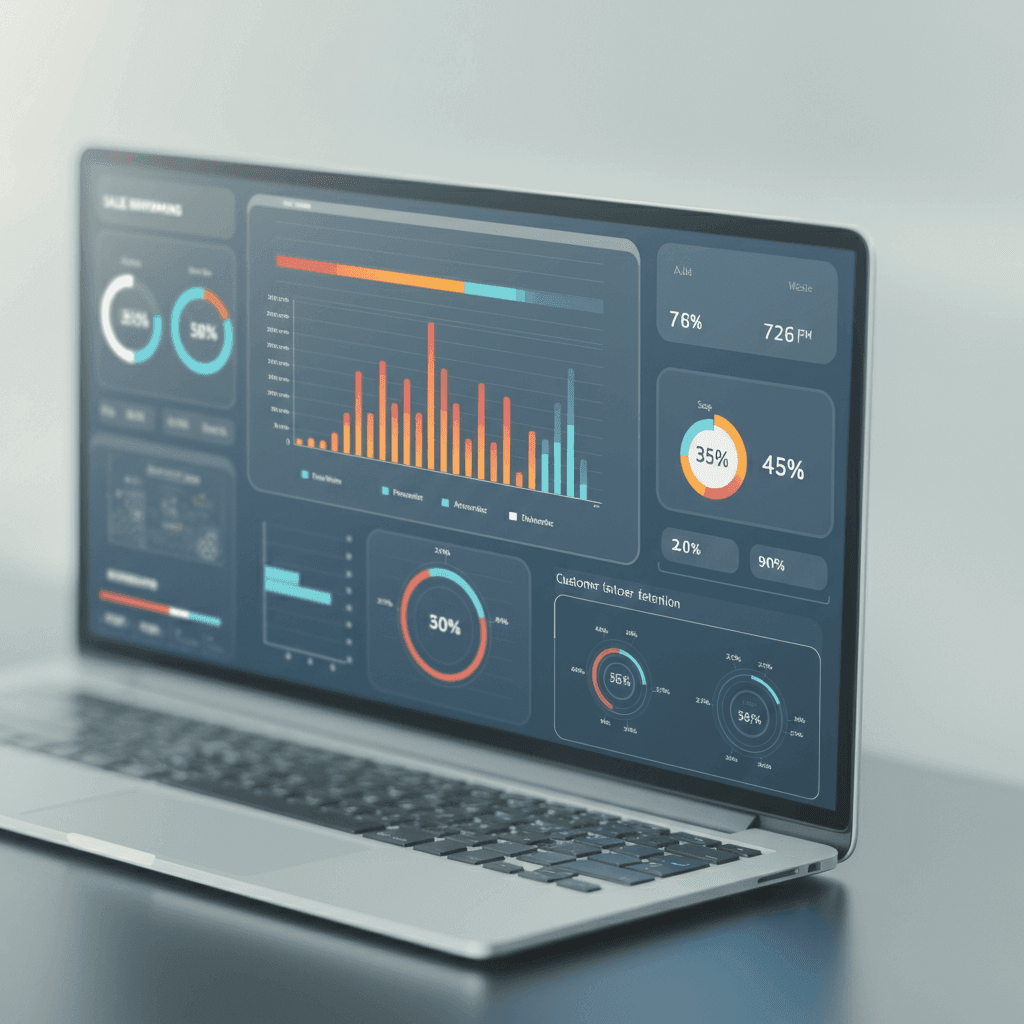
KPI Tracking Tools
KPI Tracking Tools
Key Performance Indicators (KPIs) are the lifeblood of business success. They help organizations measure progress, identify gaps, and refine strategies. But tracking KPIs manually across spreadsheets and disparate systems can be a challenge. This is where KPI tracking tools come into play, transforming the way businesses analyze performance and make data-driven decisions. Whether you're managing a startup or running a global enterprise, having the right KPI tracking tool can streamline operations and deliver insights that drive growth.
Below, we’ll explore why KPI tracking matters, the essential features to look for in a tool, some of the top options available, and how to choose the right one for your needs.
Why KPI Tracking Matters
KPIs tell the story of your business performance. They highlight strengths and weaknesses, showing you what’s working and what needs improvement. Here’s why tracking KPIs is so crucial:
1. Measuring Success
Tracking KPIs ensures you stay aligned with your goals, whether it's increasing revenue, growing website traffic, or boosting customer satisfaction.
2. Improved Decision-Making
When you have data presented visually and clearly, you can make faster, smarter decisions. For instance, seeing your sales conversion rates drop can prompt immediate action to refine your strategy.
3. Accountability
With KPIs, teams are more accountable for their performance. When everyone knows their metrics, they’re more likely to focus on achieving their targets.
4. Forecasting Growth
By monitoring trends in your KPIs over time, you can predict future outcomes and prepare for potential opportunities or risks.
Without a practical tracking tool, businesses often struggle with fragmented data that hinders these benefits. That’s why investing in a KPI tracking tool matters.
Features to Look for in a KPI Tracking Tool
Not all KPI tracking tools are created equal. When researching options, keep these features in mind:
1. Customizable Dashboards
The best tools allow you to design dashboards that fit your unique needs. Whether it’s a sales funnel, employee productivity metrics, or marketing performance, your tool should adapt to you.
2. Real-Time Reporting
Tracking KPIs isn’t just about reviewing past performance – it’s about seeing what’s happening now. Real-time data lets you act quickly to capitalize on opportunities or address concerns.
3. Integration with Existing Systems
Your KPI tracker should integrate seamlessly with the tools you’re already using, like CRM software, spreadsheets, or social media platforms. This reduces manual input and ensures accurate data.
4. Visual Data Presentation
Data visualization—like graphs, charts, and heatmaps—helps make complex information more digestible. It’s much easier to interpret trends with a clear visual representation.
5. Scalability
Your needs will grow as your business expands. Choose a tool that can scale with your operations, adding more users, features, or datasets as required.
6. Alerts and Notifications
Automated triggers ensure that you’re notified when key metrics hit critical thresholds. For example, receiving an alert when website traffic surges can help you adjust for sudden demand shifts.
7. Security
Ensure the tool prioritizes data security, as you’re likely uploading sensitive business information. Look for platforms with robust encryption and compliance with data laws like GDPR.
Having these features in place ensures your team can efficiently monitor and act on KPIs daily.
Top KPI Tracking Tools on the Market
With so many options available, choosing the right KPI tracking tool can feel daunting. To save you time, here are some of the leading tools worth exploring:
1. Tableau
Perfect for businesses that rely on data-heavy analytics, Tableau delivers intuitive dashboards and powerful visualization options. Its ability to handle vast datasets makes it a favorite for large corporations.
2. Klipfolio
Klipfolio is a customizable platform ideal for small-to-medium-sized businesses. Featuring integrations with hundreds of apps, it simplifies pulling data from sources like Google Analytics and Salesforce.
3. Google Data Studio
For those on a budget, Google Data Studio offers dynamic dashboards and real-time reporting. It’s particularly strong in connecting with other Google tools like Sheets and Analytics.
4. Databox
Databox specializes in mobile-friendly KPI tracking. Whether you're in the office or on the go, it provides updates through a user-friendly app.
5. Zoho Analytics
Zoho Analytics excels at blending data across various sources and creating visually stunning reports. It’s also budget-friendly while still catering to enterprise needs.
Each of these tools has specific strengths, so it’s important to match their features with your business goals.
How to Choose the Right KPI Tracking Tool
Selecting a KPI tracking tool is a critical decision. Here’s how you can find the perfect fit:
1. Assess Your Needs
Understand the metrics you want to track and the problems you’re trying to solve. For example, sales teams may prioritize pipeline metrics, while HR teams may focus on employee engagement data.
2. Set a Budget
While some tools like Google Data Studio are free, others like Tableau come with a higher price tag. Make sure your investment aligns with your ROI expectations.
3. Test User-Friendly Features
Look for tools with trial versions and test their interface. A highly technical tool may frustrate less proficient team members.
4. Read Reviews and Case Studies
Research reviews from businesses similar to yours. Learn how they’ve implemented and benefited from the tool.
5. Prioritize Customer Support
Reliable customer support can make or break your experience. Choose platforms with responsive help desks or comprehensive user tutorials.
Taking the time to evaluate your needs ensures a better return on your investment.
Start Tracking Your KPIs Today
KPIs aren’t just numbers on a chart—they’re a roadmap to success. With the right tools at your disposal, you’ll not only simplify data tracking but also empower your team to achieve their goals faster. Whether it’s boosting sales, enhancing productivity, or improving customer satisfaction, effective KPI tracking paves the way.
So, what’s stopping you? Start exploring the tools discussed above and take your performance tracking to the next level. The insights you gain today could unlock the growth you’ve been striving for.
Take action now. The first step toward better performance is getting your metrics in order. Find the perfect KPI tracking tool and redefine what success looks like for your business.
Read more...
https://ddpromotips.com/best-kpi-tracking-tools-for-marketing-success/
Appreciate the creator